Modern vehicles are equipped with sophisticated onboard diagnostic systems designed to alert drivers of potential issues before they become major disasters. One of the most common, yet often misunderstood, warnings is the check engine light. While a solid light can indicate a minor issue, a check engine light flashing is a critical warning that requires immediate attention to avoid costly repairs.
In this guide, we’ll explore what causes this flashing light and how to handle the situation safely.
Why is Your Check Engine Light Flashing?
A solid check engine light might mean something as simple as a loose gas cap. However, if the light is blinking or flashing, it typically indicates a "serious misfire" in the engine. This means unburned fuel is getting into the exhaust system, which can rapidly damage the catalytic converter—an expensive part to replace.
Common causes include:
- Worn-out spark plugs or ignition coils.
- Faulty fuel injectors.
- A malfunctioning oxygen sensor.
- Engine timing issues.
Immediate Steps to Take
When you see the light start to flash, don't panic, but do act quickly.
- Reduce Speed: Slow down immediately and avoid heavy acceleration.
- Lighten the Load: If you are towing a trailer or carrying heavy cargo, stop as soon as it is safe to do so.
- Find a Safe Spot: Look for the nearest parking lot or a wide shoulder on the road to pull over.
Why You Shouldn't Keep Driving
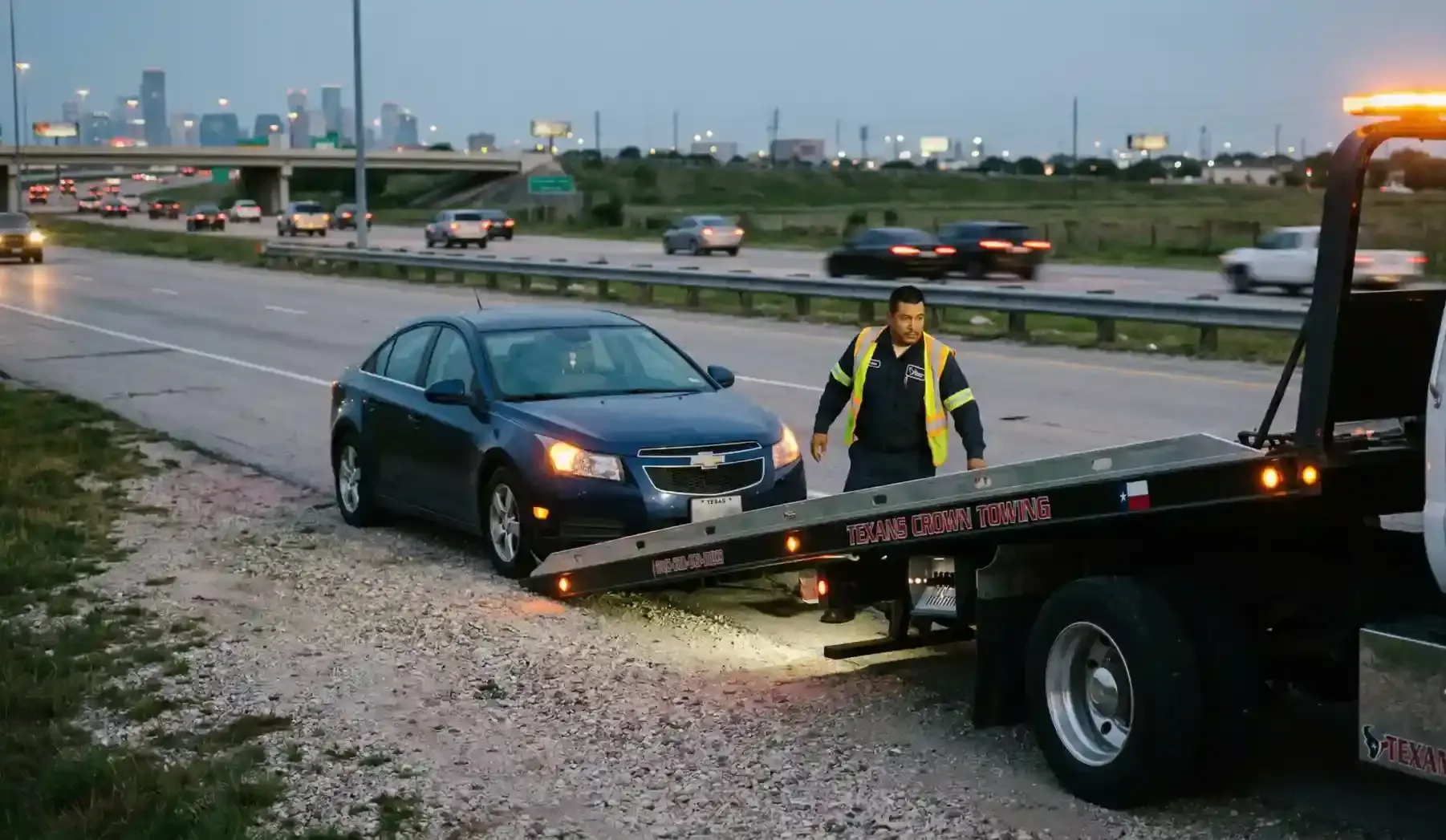
Ignoring a blinking engine light is a gamble that rarely pays off. Continued driving can lead to complete engine failure, leaving you stranded in a dangerous location. For the safety of your vehicle’s engine and your own peace of mind, the best course of action is to have the car transported to a professional mechanic.
If you find yourself in this situation in the Texas area, the safest option is to call a professional Tow truck in Houston. Using a professional towing service ensures that your vehicle is moved without further stress on the engine components, preventing the damage from worsening.
How to Prevent Future Engine Issues
The best way to deal with engine warnings is to prevent them through regular maintenance.
- Routine Inspections: Have your mechanic check your ignition system every 30,000 miles.
- Quality Fuel: Use high-quality fuel to keep your injectors clean.
- Listen to Your Car: If you notice vibrations or unusual noises before the light comes on, get it checked immediately.
Conclusion
A check engine light flashing is your car’s way of screaming for help. By pulling over and calling a reliable towing partner, you can save thousands of dollars in engine repairs. Always prioritize your car’s health and stay safe on the road by trusting professionals when your dashboard starts giving you warning signs.