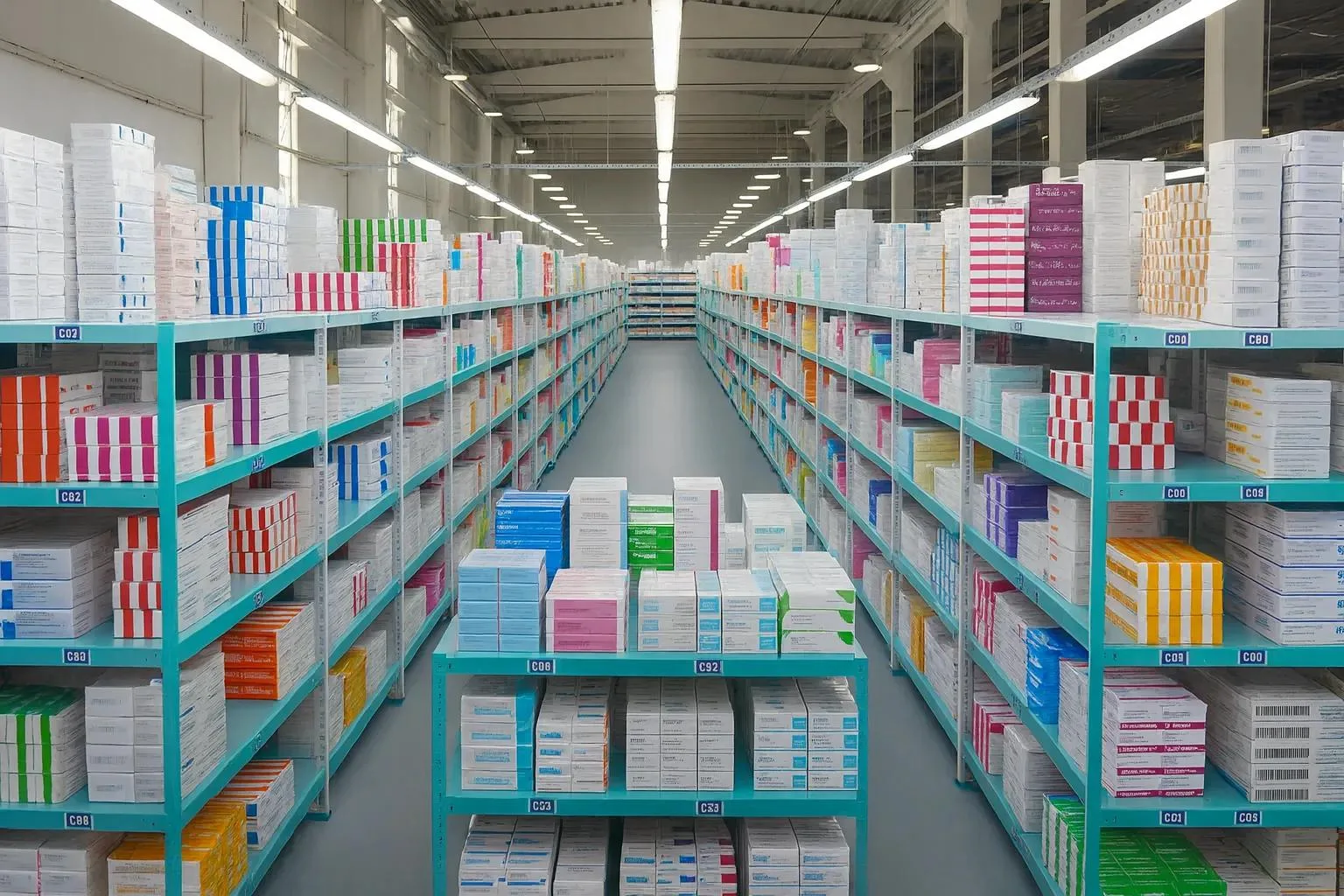
People hear “pharma exporters” and imagine some complicated system with labs, paperwork, and containers moving across the world. They’re not wrong… but it’s actually simpler than it sounds once you break it down.
So here’s a clear, no-confusion guide to what pharma exporters really do and why they matter so much in global healthcare.
What Are Pharma Exporters?
Pharma exporters are companies that supply medicines, healthcare products, and pharmaceutical goods from one country to another.
In simple words:
They act as the bridge between manufacturers in India and buyers in other countries.
These buyers can be:
- Distributors
- Hospitals
- Government agencies
- NGOs
- Retail pharmacy chains
Without pharma exporters, medicines would stay stuck in factories instead of reaching people who actually need them.
Why Are Pharma Exporters Important?
Let’s not pretend every country produces all medicines.
Some countries:
- Don’t have enough manufacturing
- Have higher costs
- Face shortages
This is where Global Pharma Sourcing from India becomes important.
India is one of the largest producers of:
- Generic medicines
- Vaccines
- Nutraceuticals
- Specialty drugs
Pharma exporters help move these products globally so that:
- Medicines are affordable
- Supply remains stable
- Healthcare systems don’t collapse during shortages
So yes, they are kind of important. Not exactly optional.
What Do Pharma Exporters Actually Do?
Now the real part. What do they do all day besides sending emails and tracking shipments?
1. Find the Right Manufacturers
India has thousands of pharma manufacturers. Not all of them are suitable for export.
Pharma exporters:
- Select certified manufacturers
- Check product quality
- Ensure compliance with global standards
They don’t just pick the cheapest option. Or at least, the good ones don’t.
2. Ensure Quality and Compliance
Medicines are not like exporting clothes or furniture. You can’t afford mistakes.
Pharma exporters make sure:
- Products follow WHO-GMP or other certifications
- Quality checks are completed
- Batch testing is done
Because if something goes wrong, it’s not just a bad review. It’s a serious health risk.
3. Handle Documentation (The Part Everyone Hates)
Every country has different rules for importing medicines.
Pharma exporters manage:
- Export licenses
- Product registration documents
- Certificates of analysis
- Shipping documents
- Country-specific approvals
Without proper documentation, shipments get stuck at customs. And nobody enjoys that kind of delay.
4. Manage Logistics and Shipping
Moving medicines globally is not as simple as putting boxes on a truck.
Pharma exporters:
- Plan shipping routes
- Choose air or sea transport
- Manage temperature-sensitive shipments
- Ensure safe packaging
Some medicines need cold storage. If temperature control fails, the product becomes useless.
So logistics is not just “send parcel.” It’s serious business.
5. Customize Products for Different Markets
Different countries have different requirements.
Pharma exporters help with:
- Packaging changes
- Labeling in local language
- Regulatory adjustments
- Market-specific formulations
This is a key part of Global Pharma Sourcing from India, because one product cannot fit every market.
6. Maintain Consistent Supply
One-time supply is easy. Consistent supply is where things get complicated.
Pharma exporters:
- Manage inventory
- Plan bulk shipments
- Avoid stock shortages
For hospitals and distributors, consistency matters more than anything else.
Because running out of medicines is not exactly a minor inconvenience.
7. Help Buyers Choose the Right Products
Not every buyer knows what to source.
Pharma exporters guide them on:
- High-demand products
- Fast-moving categories
- Regulatory-friendly items
For example:
- Nutraceuticals often get faster approvals
- Certain generics have higher demand
This makes sourcing smarter, not random.
8. Reduce Risk for International Buyers
Importing medicines from another country sounds risky. Because it is.
Pharma exporters reduce that risk by:
- Verifying suppliers
- Handling compliance
- Managing logistics
- Ensuring timely delivery
So instead of dealing with 10 different vendors, buyers work with one reliable partner.
Less chaos. More control.
Why India Is a Global Pharma Hub
This is where things get interesting.
India plays a major role in global medicine supply because:
- Large manufacturing capacity
- Affordable production costs
- Skilled workforce
- Strong export ecosystem
That’s why Global Pharma Sourcing from India is growing rapidly.
Many countries depend on Indian pharma exporters for:
- Essential medicines
- Life-saving drugs
- Bulk supply needs
So when people say “pharmacy of the world,” they’re not exaggerating.
Who Works with Pharma Exporters?
Pharma exporters don’t just deal with random buyers.
Their clients include:
- International distributors
- Hospitals and healthcare groups
- Government procurement agencies
- NGOs and humanitarian organizations
- Online pharmacy chains
Basically, anyone who needs medicines at scale.
Challenges Pharma Exporters Handle
Let’s not pretend it’s all smooth.
They deal with:
- Changing regulations
- Customs delays
- Supply chain disruptions
- Quality risks
- Currency fluctuations
And somehow still manage to deliver shipments on time.
Which is impressive, considering how many things can go wrong.
Final Thoughts
Pharma exporters are not just middlemen. They are critical connectors in global healthcare.
They:
- Source quality medicines
- Ensure compliance
- Handle logistics
- Manage risks
- Deliver products across borders
Without them, global medicine supply would be slower, more expensive, and far less reliable.
So next time someone casually mentions importing medicines, just remember there’s an entire system behind it… run by people making sure things don’t fall apart.
And for once, that system actually matters.