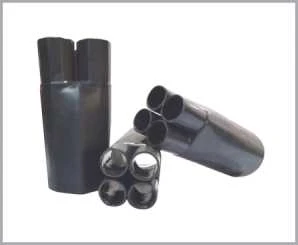
In today’s interconnected world, the demand for high-quality electrical infrastructure has reached unprecedented levels. Power transmission and distribution networks depend heavily on reliable cable jointing kits to ensure uninterrupted performance, safety, and durability. These kits serve as the backbone of electrical connectivity, allowing for seamless jointing of cables in industries ranging from construction and energy to telecommunications.
However, while the demand is strong and global opportunities continue to grow, suppliers & exporters of cable jointing kits face numerous challenges in their operations. From regulatory compliance to supply chain disruptions, the path to ensuring the timely delivery of quality products is filled with complications. Understanding these hurdles is vital not only for manufacturers but also for distributors, contractors, and end-users who rely on the efficiency of these kits.
Let’s find out the primary complications suppliers and exporters often face and why addressing them requires foresight, adaptability, and industry expertise.
1. Regulatory Compliance and Certification Barriers
One of the most significant complications for suppliers & exporters of cable jointing kits lies in navigating the complex web of certifications, safety standards, and compliance requirements. Each country has its own regulations concerning electrical components, especially those used in critical infrastructure like power grids.
The process of obtaining and maintaining these certifications can be lengthy and expensive. Failure to meet compliance standards not only halts exports but can also tarnish a company’s reputation. This regulatory burden often slows down market entry and increases operational costs.
2. Fluctuating Raw Material Costs
Cable jointing kits are typically made with specialized components, such as heat-shrinkable sleeves, epoxy resins, conductive tapes, and mechanical connectors. Many of these rely on raw
materials like copper, aluminum, and polymers, whose prices are highly volatile.
Global supply-demand imbalances, geopolitical tensions, and energy crises can cause sudden price hikes. For suppliers & exporters, such fluctuations make it difficult to set competitive prices or maintain profit margins. The challenge is further amplified when long-term contracts with clients do not account for cost escalations, leaving suppliers with financial strain.
3. Supply Chain Disruptions
Global trade is vulnerable to disruptions caused by unforeseen circumstances. Events such as pandemics, shipping container shortages, port congestions, or international conflicts can delay the movement of goods.
Moreover, cable jointing kits often consist of multiple components sourced from different regions. Even if one part of the supply chain is disrupted, the entire production process can stall. Building resilience in the supply chain through diversification and localized sourcing has become essential, but it is easier said than done.
4. Customization Demands from Clients
Every project is different, and clients often demand cable jointing kits tailored to specific voltage levels, environmental conditions, or installation methods. For example:
· Oil & gas projects may require flame-retardant or explosion-proof kits.
· Offshore wind farms might demand kits resistant to extreme moisture and salt corrosion.
· Telecommunications projects may prefer compact and lightweight solutions.
While customization provides value, it complicates the manufacturing and export process. Suppliers need to balance mass production efficiency with small-batch customization. Managing these diverse requirements without inflating costs or delaying delivery is a constant challenge.
5. Intense Competition and Price Pressure
The market for cable jointing kits is very competitive, with various domestic and international players. Many suppliers & exporters of cable jointing kits face stiff competition from low-cost manufacturers in regions where production expenses are significantly lower.
To stay relevant, companies often find themselves caught between offering competitive pricing and ensuring uncompromised quality. Overemphasis on cost-cutting can result in compromises in material standards, which may lead to product failures, something no supplier wants to risk in such a field where safety is critical.
6. Technological Advancements and R&D Costs
Electrical infrastructure technology is rapidly evolving. Suppliers must continuously invest in research and development to create kits that can withstand higher voltages, extreme climates, and diverse installation environments. For exporters, failing to keep up with these advancements can mean losing out to competitors offering more innovative solutions.
However, R&D is resource-intensive, requiring financial investments and skilled engineers. For smaller suppliers, this becomes a significant complication, as they may lack the bandwidth to innovate while meeting existing client demands.
7. Logistics and Documentation Challenges
International trade comes with its share of paperwork. Exporters of cable jointing kits must handle customs clearances, bills of lading, certificates of origin, and other documentation specific to the importing country. Errors or delays in documentation can lead to shipment hold ups, additional costs, or even product rejections.
Logistics complications such as damaged goods during transit, theft, or container mishandling also add risk. Since cable jointing kits are non-negotiable components, delays or damage can halt large projects.
8. Skilled Workforce Shortages
Producing and testing cable jointing kits requires technical expertise. Skilled workers are needed to ensure proper insulation, resistance testing, and adherence to quality standards. Unfortunately, many suppliers face a shortage of trained labor, particularly when scaling operations to meet global demand.
For exporters, the lack of a skilled workforce not only slows down production but also risks compromising the quality of the final product, a risk that can damage credibility in international markets.
9. Environmental and Sustainability Pressures
With increasing emphasis on sustainability, suppliers and exporters are under pressure to adopt eco-friendly practices. Clients and governments are pushing for reduced carbon footprints, recyclable materials, and green manufacturing.
While these initiatives are positive, implementing them requires significant investment in cleaner technologies, waste reduction processes, and energy-efficient operations. Exporters who fail to adapt may lose access to environmentally-conscious markets.
10. Currency Fluctuations and Payment Risks
International trade always carries financial risks. Currency fluctuations can impact profitability, especially when dealing with multiple countries. For example, a sudden depreciation in the buyer’s currency could lead to payment delays or renegotiations.
Moreover, exporters face the risk of non-payment or delayed payments due to economic instability in the importing country. While trade insurance can mitigate these risks, it adds an extra layer of cost to operations.
Conclusion
The role of suppliers & exporters of cable jointing kits in global infrastructure cannot be overstated. Their products are integral to the functioning of power systems, telecommunications, and industrial projects worldwide. Yet, the process of supplying and exporting these kits is far from straightforward.
From navigating regulatory landscapes and fluctuating material costs to dealing with customization requests, competition, and sustainability pressures, the complications are multifaceted. Companies that succeed are those that anticipate these challenges, build resilience into their operations, and remain committed to quality and innovation.
In an industry where reliability equals trust, suppliers and exporters must constantly adapt to ensure they remain a cornerstone of global electrical connectivity.