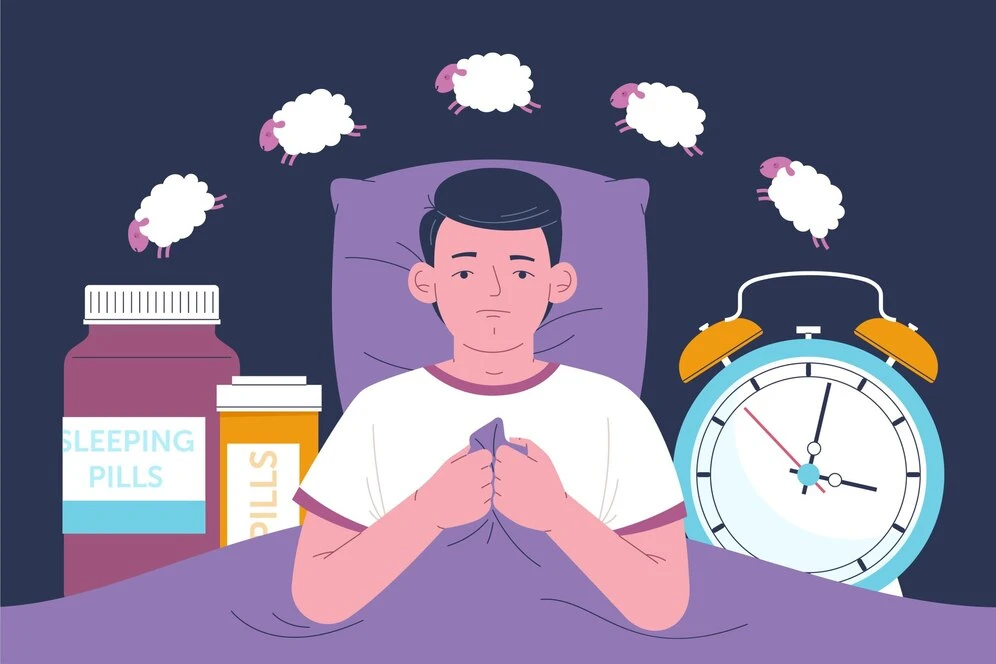
Struggling to fall asleep, staying asleep, or waking too early is not just frustrating—it can seriously damage mental and physical health. For many individuals, sleep disorders affect productivity, mood, cognitive performance, and overall well-being. Several causes contribute to these problems, but correct diagnosis and short-term therapies, such as sleep disorder drugs or Farmapram sleeping pills, can help alleviate symptoms momentarily.
What Triggers Sleep Disorders?
Sleep disorders do not stem from a single cause. Instead, they typically arise from a complex biological, psychological, and environmental interaction. Identifying the fundamental problem is vital for establishing the most effective treatment strategy.
Stress and Anxiety
Increased stress levels, whether stemming from work pressures, personal relationships, or unforeseen life circumstances, can trigger the sympathetic nervous system. This activation results in elevated cortisol levels, which can disrupt sleep patterns. Additionally, individuals with anxiety disorders may experience heightened rumination during the night, making it difficult for their minds to relax and achieve deep, restorative sleep.
Depression and Other Mental Health Conditions
Depression is strongly linked with both insomnia and hypersomnia. In fact, difficulty sleeping is a diagnostic criterion for major depressive disorder. Bipolar disorder and PTSD also commonly present with irregular sleep patterns, contributing to chronic fatigue and emotional instability.
Poor Bedtime Routines
Erraticc bedtime routines, excessive screen time before bed, high caffeine consumption, and irregular sleep schedules disrupt the body’s natural circadian rhythm. Over time, these practices affect melatonin production, making it challenging to fall and remain asleep.
Medical Conditions
Chronic pain, asthma, acid reflux, neurological diseases, and endocrine disorders like hyperthyroidism can interrupt normal sleep cycles.Furthermore, conditions such as sleep apnea and restless leg syndrome directly impair our ability to get deep, restorative sleep.
Substance Use
Alcohol, nicotine, and stimulants such as caffeine or certain prescription medications can negatively affect sleep quality. Even medications prescribed for unrelated conditions may have insomnia as a side effect.
Short-Term Medical Approaches for Sleep Disorders
While behavioral changes and cognitive therapy are the cornerstone of long-term sleep management, short-term pharmaceutical interventions can provide immediate relief for severe cases. Among the commonly used sleeping disorders medications are benzodiazepines, non-benzodiazepine hypnotics, and certain antidepressants.
Benzodiazepines
Benzodiazepines are central nervous system depressants that improve sleep by increasing the action of gamma-aminobutyric acid (GABA), a neurotransmitter that regulates brain activity. One widely recognized example is Farmapram sleeping tabletas, known internationally as alprazolam.
Farmapram is a powerful medication frequently prescribed for anxiety and panic disorders, and while it is sometimes used off-label for insomnia, its benefits in that arena should not be underestimated. With its sedative properties, Farmapram can effectively facilitate sleep onset and minimize nighttime awakenings, providing much-needed relief in the short term. However, it is critical to use this drug with caution and under the observation of a medical professional. Prolonged use can cause tolerance, dependence, and withdrawal symptoms, so responsible management is vital to harness its potential safely.
Non-Benzodiazepine Hypnotics
Drugs like zolpidem and eszopiclone fall into this category. They function similarly to benzodiazepines, but have lower adverse effects and a lower risk of dependence.. These are often preferred for short-term treatment of primary insomnia when behavioral interventions are insufficient.
Antidepressants
Low doses of certain antidepressants, such as trazodone or amitriptyline, are sometimes prescribed to patients who suffer from both depression and insomnia. While not approved as sleep aids, their sedative effects can improve sleep quality in specific cases.
Antihistamines and Melatonin
Over-the-counter medications like diphenhydramine can cause drowsiness, but they often leave users feeling groggy the next day. Melatonin supplements may benefit those with circadian rhythm disorders or jet lag but are generally less effective for chronic insomnia.
Important Considerations Before Taking Medication
Although medications can offer short-term relief, they should never replace behavioral therapies or medical evaluations. Here are a few precautions to keep in mind:
● Always Consult a Doctor: Taking medication without professional guidance increases the risk of side effects and drug interactions.
● Avoid Long-Term Use: Especially with benzodiazepines like alprazolam, prolonged usage can cause rebound insomnia, increased tolerance, and dependence.
● Monitor Side Effects: Report any unusual reactions, especially if medications are combined with other substances.
● Behavioral Support Matters: Medications work best when paired with sleep hygiene education, relaxation techniques, or cognitive behavioral therapy (CBT-I).
Conclusion
The burden of sleep disorders continues to affect millions globally, stemming from mental health conditions, lifestyle factors, medical problems, and environmental triggers. While long-term management should focus on addressing these root causes, there is a valid role for short-term relief through medication. For some, options like Farmapram sleeping tabletas or other sleeping disorders medication may provide temporary improvement under the careful supervision of a healthcare provider. Ultimately, when approached responsibly, these tools can offer respite and help individuals regain control over their nightly rest and daily function. Whether addressing acute stress or temporary insomnia, effective treatment begins with understanding the cause and working with a trusted medical professional.