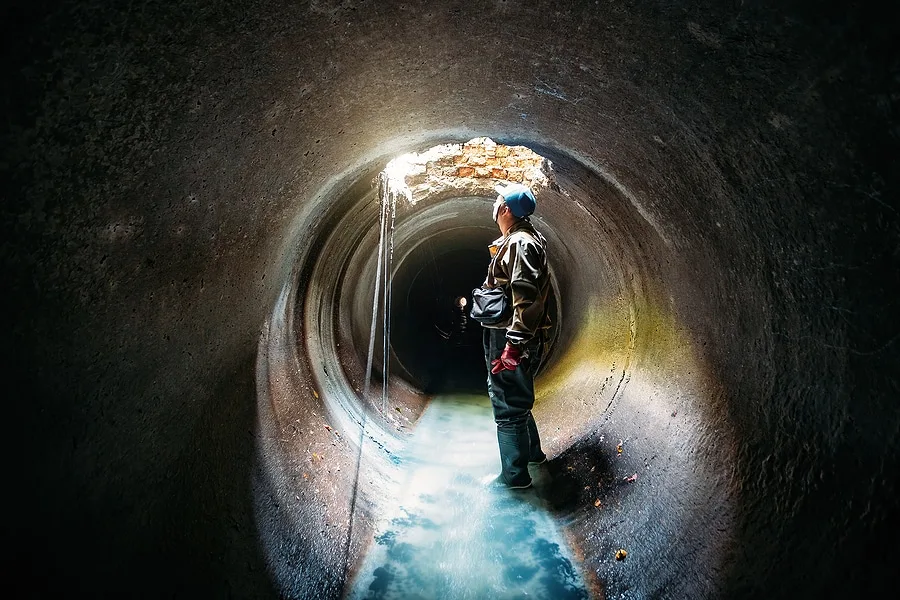
Fatbergs have become a growing problem across the UK, causing severe blockages in public sewers and household drainage systems. These massive clumps of grease, waste, and non-biodegradable materials can lead to unpleasant odours, flooding, and costly plumbing repairs. Water companies across the country regularly remove fatbergs weighing several tonnes, proving how serious the issue has become.
Understanding what causes fatbergs and learning how to prevent them can help homeowners and businesses avoid expensive drainage problems while protecting the environment.
What Is a Fatberg?
A fatberg is a hardened mass that forms inside drains and sewers when fats, oils, and grease combine with items that should never be flushed down toilets or sinks. Over time, these materials stick together and solidify, creating a blockage that restricts water flow.
Fatbergs are commonly made from:
- Cooking oil and grease
- Wet wipes
- Food scraps
- Soap residue
- Sanitary products
- Cotton buds
- Hair and dental floss
Once these materials collect in pipes, they become increasingly difficult to remove. In severe cases, professional services such as drain repair banstead may be required to restore damaged drainage systems.
Main Causes of Fatbergs in UK Drains
Pouring Fat and Oil Down the Sink
One of the leading causes of fatbergs is pouring cooking grease or oil into kitchen sinks. Although liquid when hot, grease cools and hardens inside pipes. As more grease accumulates, it traps other debris and gradually forms a solid obstruction.
Common kitchen waste that contributes to fatbergs includes:
- Bacon grease
- Butter and margarine
- Cooking oils
- Gravy and sauces
- Dairy products
Even small amounts can build up over time and create major blockages.
Flushing Wet Wipes
Many people mistakenly believe that “flushable” wipes break down like toilet paper. In reality, most wipes do not disintegrate properly and can remain intact for years inside drainage systems.
Wet wipes easily snag on grease deposits and other debris, helping fatbergs grow larger and stronger. This issue has become one of the biggest concerns for UK water authorities.
Food Waste Entering Drains
Food particles washed down sinks can stick to grease-coated pipes. Starchy foods such as rice, pasta, and potato peels are particularly problematic because they expand when exposed to water.
To reduce risks, avoid rinsing leftover food into drains and use sink strainers to catch debris.
Poor Drain Maintenance
Neglected drains are more likely to develop serious blockages. Without regular cleaning, small accumulations of grease and waste can gradually become large fatbergs.
Professional maintenance services, including drain unblocking worcester, help identify and clear minor issues before they escalate into expensive drainage emergencies.
The Impact of Fatbergs
Fatbergs can create significant problems for households, businesses, and public sewer systems. Their effects often include:
- Slow-draining sinks and toilets
- Unpleasant smells from drains
- Sewage backups
- Flooding in homes and streets
- Expensive pipe repairs
- Environmental pollution
In severe situations, pipes may crack or collapse under pressure, requiring major excavation and drainage installation banstead services to replace damaged infrastructure.
How to Prevent Fatbergs
Preventing fatbergs is much easier and cheaper than removing them. Simple habits can make a major difference in protecting drains and sewers.
Dispose of Grease Properly
Never pour cooking oil or grease directly into sinks or toilets. Instead:
- Allow grease to cool
- Pour it into a sealed container
- Dispose of it in household waste
Wiping greasy pans with paper towels before washing can also help reduce residue entering pipes.
Only Flush Toilet Paper
Toilets should only be used for human waste and toilet paper. Avoid flushing:
- Wet wipes
- Cotton pads
- Nappies
- Sanitary products
- Paper towels
Even products labelled “flushable” can contribute to blockages.
Use Sink Strainers
Installing sink strainers in kitchens and bathrooms helps trap food scraps, hair, and debris before they enter drainage systems. Cleaning strainers regularly can significantly reduce the risk of buildup.
Schedule Regular Drain Cleaning
Routine drain inspections and cleaning help remove grease and debris before serious problems develop. Professional drainage specialists can use advanced equipment to keep pipes flowing efficiently.
Educate Household Members
Many fatbergs form simply because people are unaware of what should and should not enter drains. Teaching family members proper disposal habits can prevent long-term plumbing issues.
Signs You May Have a Fatberg Problem
Early detection is important for avoiding costly repairs. Common warning signs include:
- Water draining slowly
- Gurgling noises from pipes
- Frequent toilet clogs
- Bad smells near drains
- Water backing up into sinks or baths
If these symptoms persist, professional drainage assistance may be necessary to inspect and clear the blockage safely.
Why Fatbergs Are Increasing in the UK
Several factors have contributed to the rise of fatbergs across the UK:
- Increased use of disposable wipes
- Higher volumes of household grease waste
- Aging sewer infrastructure
- Greater urban population density
Public awareness campaigns by water companies have helped educate residents, but fatbergs continue to pose a major challenge for local councils and utility providers.
Conclusion
Fatbergs are a serious drainage issue caused mainly by grease, oils, food waste, and non-flushable products entering sewer systems. These hardened blockages can lead to flooding, unpleasant odours, and costly repairs if left untreated.
Fortunately, preventing fatbergs is relatively simple. Proper grease disposal, avoiding flushing wipes, using sink strainers, and maintaining drains regularly can all help keep pipes clear and functioning efficiently. By adopting responsible habits, households and businesses can reduce the risk of blockages while helping protect the UK’s drainage infrastructure for the future.
Also Prefer our other Blog: