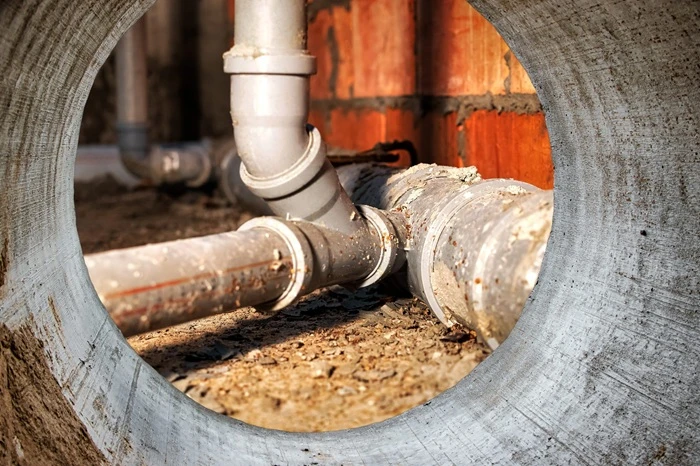
Drain pipes are built to last for decades, yet they rarely fail without warning. Most sewer line failures develop slowly as materials weaken and environmental pressure increases. Understanding the common causes of pipe damage helps homeowners recognize risks early and plan preventive maintenance.
Aging and Material Breakdown
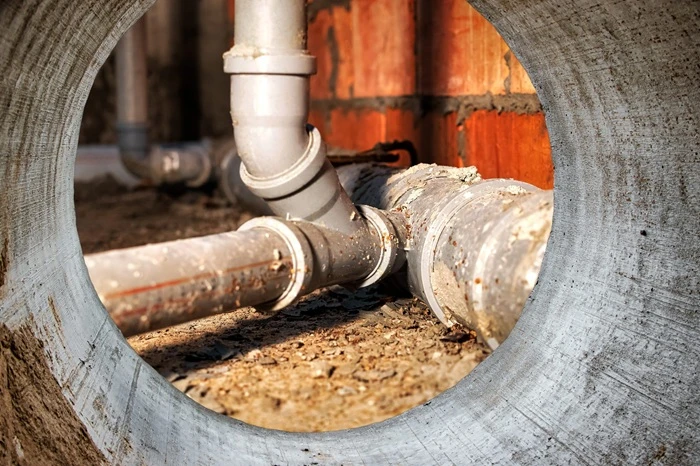
Every plumbing material has a limited lifespan. Older homes often rely on clay, cast iron, or early PVC pipes. Over time, these materials weaken due to constant exposure to moisture, temperature changes, and daily use.
Cast iron gradually rusts and thins from the inside. Clay pipes become brittle and crack under pressure. Early plastic pipes lose flexibility and become fragile. As these materials age, the risk of leaks, fractures, and collapse increases.
This natural aging process is one of the main reasons homeowners eventually need help from Drain Repair Plumbers Toronto to evaluate and repair older sewer systems.
Soil Movement and Ground Settling
Underground pipes are constantly affected by the surrounding soil. Seasonal temperature changes cause soil to expand and contract. Heavy rainfall can wash soil away, while dry conditions cause soil to shrink.
These changes create pressure on sewer lines. Over time, pipes may shift, bend, or separate at the joints. Repeated movement weakens the pipe structure and increases the chance of cracks or collapse.
Homes built decades ago are especially vulnerable because older installation methods often lacked modern stabilization techniques.
Tree Root Intrusion
Tree roots naturally grow toward moisture. Sewer pipes provide a reliable water source, making them attractive to nearby trees and shrubs. Roots enter through small cracks or pipe joints and expand inside the pipe.
As roots grow thicker, they block water flow and apply pressure to the pipe walls. This pressure can cause cracks to widen and eventually lead to pipe failure.
The Toronto Plumbers use modern camera inspection equipment to identify root intrusion early. With over 20 years of experience serving Toronto homes and businesses, they diagnose sewer line problems before major damage occurs.
Early detection prevents root growth from turning into emergency repairs.
Corrosion From Chemical Exposure
Drain pipes carry wastewater that often contains cleaning chemicals, soap residue, and food waste. Over time, these substances react with pipe materials.
Cast iron pipes are especially vulnerable to corrosion. Chemical reactions slowly eat away at the interior surface, reducing pipe thickness and strength. Eventually, the pipe may develop leaks or collapse.
Grease buildup can also trap moisture and accelerate corrosion inside the pipe.
Frequent Blockages and Pressure Buildup
Recurring clogs create internal pressure within the sewer line. When water cannot flow freely, pressure builds behind the blockage. This pressure stresses pipe joints and weak sections.
Repeated pressure cycles increase the risk of cracks and joint separation. Over time, the pipe may fail completely.
Professional drain cleaning and inspection help prevent pressure buildup from causing long-term damage.
Poor Installation or Past Repairs
Older plumbing installations sometimes used outdated techniques or materials. Improper slope, weak joints, or poor backfill around pipes can lead to long-term problems.
Past repairs may also contribute to failure if mismatched materials were used or connections were not sealed correctly.
Conclusion
Drain pipes crack, corrode, and collapse due to aging materials, soil movement, tree roots, corrosion, pressure buildup, and environmental stress. These problems develop gradually and often remain hidden until major damage occurs.
Understanding these causes helps homeowners take preventive action and reduce the risk of sudden sewer line failure.