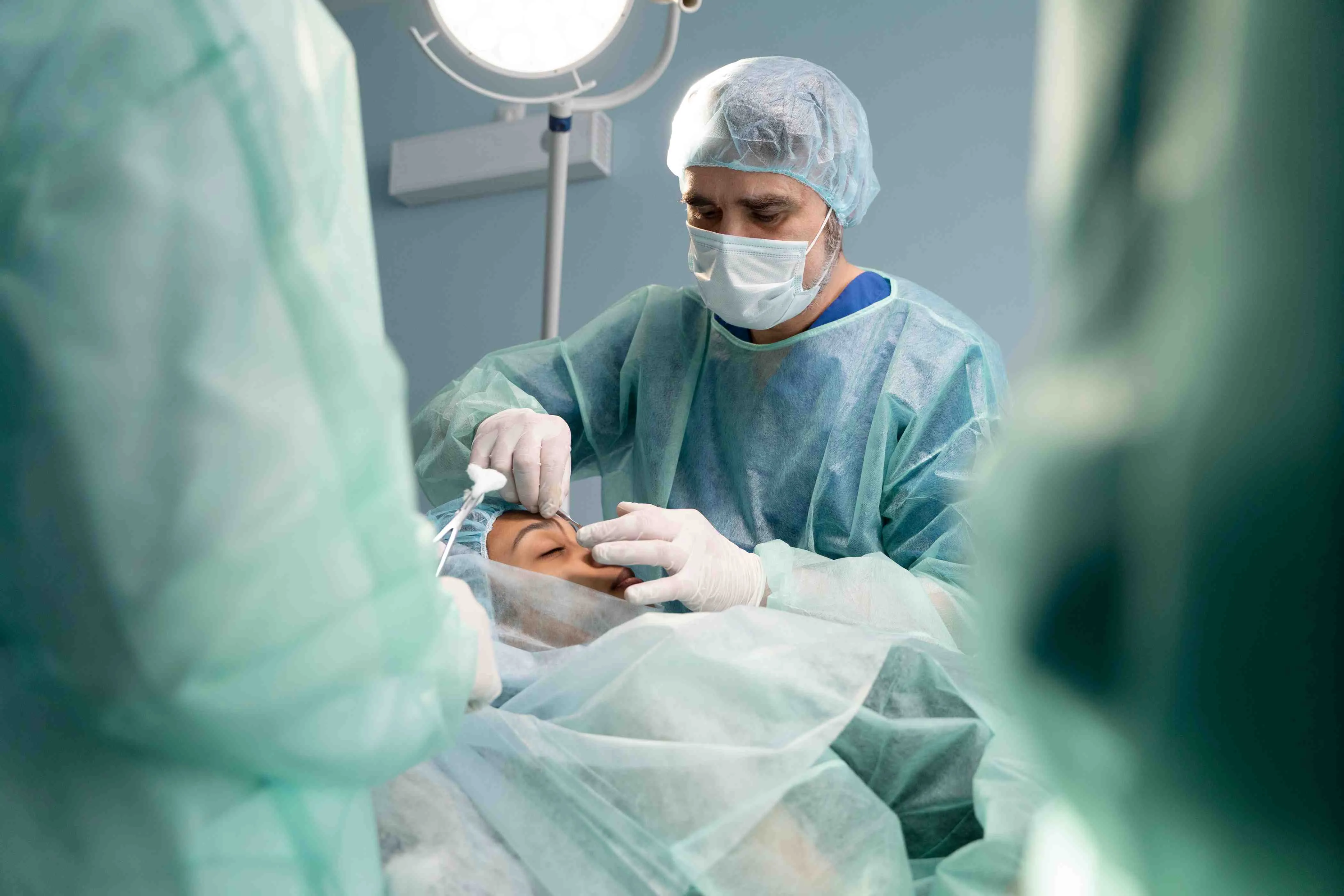
If you are considering plastic surgery in Mumbai, you may be wondering how much a procedure can change your appearance and what kind of results you can realistically expect. Photos on social media can create unrealistic expectations, especially when images are filtered or edited. Understanding what surgery can and cannot achieve can help you make a more informed decision before booking a consultation.

What Can Plastic Surgery Actually Improve?
Plastic surgery can address specific concerns involving facial features, body proportions, excess skin, or underlying structures. The improvements depend on the procedure, your anatomy, skin quality, general health, and individual goals.
Depending on your needs, plastic surgery may help with:
- Improving facial or body proportions: Selected procedures can adjust features to create a more balanced appearance.
- Addressing certain structural concerns: Procedures such as rhinoplasty may improve the shape of the nose and, in some cases, address functional concerns.
- Removing excess skin: Procedures such as tummy tuck or body lifts can remove loose skin in suitable patients.
- Reshaping localized fat deposits: Liposuction can improve body contours but is not a substitute for weight loss.
- Restoring or adjusting volume: Selected procedures can address volume changes associated with aging, weight changes, or other factors.
- Reconstructing affected areas: Reconstructive surgery may help restore form and function following injury, illness, or certain medical conditions.
The extent of improvement varies from person to person. During your consultation, your surgeon should explain which changes are achievable in your particular case.
What Can Plastic Surgery Not Guarantee?
Plastic surgery can improve specific physical features, but it cannot guarantee a particular appearance or make every feature look exactly as you imagine.
It is important to understand that:
- Your results will reflect your existing anatomy: Bone structure, skin quality, tissue characteristics, and natural asymmetry influence the outcome.
- You cannot guarantee an exact copy of someone else's appearance: A procedure that suits another person may not produce the same result for you.
- Perfect symmetry is not always possible: Surgery may improve asymmetry, but complete symmetry is rarely realistic.
- Recovery takes time: Swelling, bruising, and tissue healing can affect your appearance for weeks or months, depending on the procedure.
- Results may change over time: Ageing, weight fluctuations, and natural changes in the body can influence long-term outcomes.
- Surgery does not resolve every emotional concern: It may address a physical feature, but it cannot guarantee greater confidence or solve unrelated personal difficulties.
Understanding these limitations helps you decide whether a procedure aligns with your expectations.
Why Are Realistic Expectations Important Before Surgery?
Your expectations influence how you evaluate the outcome. If you expect a dramatic transformation when a procedure is designed to make a subtle adjustment, even a technically successful result may leave you dissatisfied.
A realistic consultation should help you understand:
- What the procedure is intended to change.
- What improvements may be achievable with your anatomy.
- What limitations or asymmetries may remain.
- The possible risks, complications, and recovery requirements.
- Whether alternative procedures or no surgery may be more appropriate.
You should have enough information to weigh the potential benefits against the risks before deciding whether to proceed.
How Does a Plastic Surgeon Assess What Is Possible?
Before recommending surgery, a qualified Plastic Surgeon in Mumbai should evaluate your concerns, medical history, anatomy, and treatment goals. The assessment may include examining skin elasticity, tissue structure, facial or body proportions, and factors that could affect healing.
Your surgeon should also explain the available options, the likely recovery process, and the limitations of each procedure. This discussion helps establish whether your goals are achievable and whether surgery is an appropriate choice for you.
What Questions Should You Ask During Your Consultation?
Before committing to a procedure, consider asking:
- What specific concern can this procedure address in my case?
- What kind of result is realistic for my anatomy?
- What are the potential risks and complications?
- How long might recovery take, and when will the results become clearer?
- Are there non-surgical alternatives or other procedures I should consider?
- What happens if the outcome differs from my expectations?
A good consultation should give you clear, individualized answers rather than pressure you into making a quick decision.
Why Is Individualized Surgical Planning Important?
No two patients have exactly the same anatomy, medical history, or expectations. A procedure should therefore be planned around your specific needs rather than following a standard approach for everyone.
At Designer Bodyz, Dr. Parag Telang discusses each patient's concerns and goals before recommending a suitable surgical approach. Understanding the expected benefits, limitations, risks, and recovery requirements can help you make a more informed decision.
Conclusion
Plastic surgery can improve specific physical concerns, including facial proportions, excess skin, localised fat deposits, and certain structural issues. However, the outcome depends on your anatomy, the procedure selected, healing, and realistic expectations. The goal should be an appropriate improvement that aligns with your needs—not an attempt to look exactly like someone else.

Dr. Parag Telang, a plastic and reconstructive surgeon with over 20 years of experience, provides consultations at Designer Bodyz to discuss individual concerns and suitable treatment options. If you are considering plastic surgery, a detailed consultation can help you understand what may be achievable in your case and make a decision based on clear information rather than unrealistic promises.