
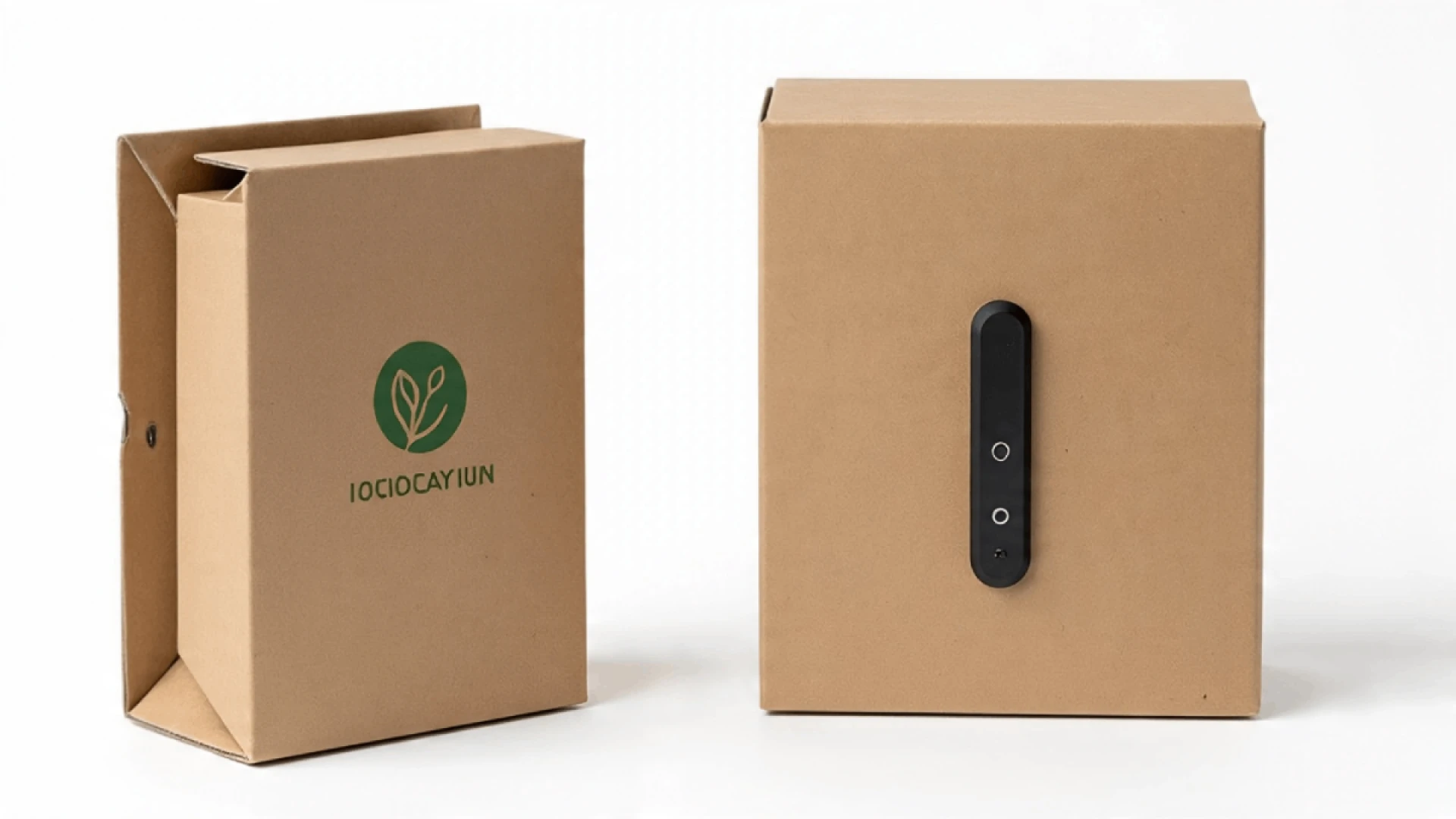
In the race to appear environmentally responsible, more brands are jumping on the “eco-friendly packaging” bandwagon. It’s a good sign consumers are demanding better, and companies are trying to keep up. But the truth is, despite the surge in green packaging initiatives, many brands are still getting it wrong.
What’s going wrong? In short: marketing is often prioritized over substance, “sustainability” is poorly defined, and key material choices are misunderstood. This leads to packaging solutions that sound good on paper but don’t deliver the environmental benefits consumers expect.
In this article, we’ll break down the most common misconceptions about eco-friendly packaging, why they matter, and what brands should do instead.
1. Confusing Recyclable with Sustainable
One of the biggest mistakes brands make is assuming that “recyclable” automatically means “eco-friendly.” This is a major oversimplification.
Yes, a corrugated box made of cardboard is recyclable. But what if it’s coated in plastic film for waterproofing? Or printed with heavy chemical-based inks? Suddenly, it’s not so easy to recycle, and in many facilities, it ends up as waste.
Recyclability is just one piece of the puzzle. True sustainability also considers the energy required to produce the material, transportation emissions, and end-of-life disposal.
2. Using Buzzwords Without Clear Definitions
Terms like “green,” “eco-friendly,” “natural,” and “biodegradable” are everywhere but most of them are unregulated. Without clear definitions, these terms can be misleading.
For example, “biodegradable” may sound good, but how long does it take to break down? Under what conditions? Some “biodegradable” plastics require industrial composting if they end up in a landfill or the ocean, they might never degrade at all.
3. Greenwashing for the Sake of Marketing
Greenwashing happens when brands make their packaging look environmentally friendly without making meaningful changes. It might involve using earth-tone colors, adding images of leaves or trees, or slapping on a “green” label.
The problem? Consumers are getting smarter. Shoppers are beginning to question whether that “eco box” is really as good for the planet as it claims. And when they feel deceived, it can backfire.
4. Ignoring End-of-Life Logistics
Even if your packaging is technically recyclable or compostable, that doesn’t mean it will be. Infrastructure and consumer behavior play major roles in determining whether your packaging is processed responsibly.
Let’s take an example. You switch to a compostable mailer made from plant starch. Great! But your average customer may not have access to industrial composting facilities. If they toss it into the regular trash or recycling bin, it’s wasted.
5. Overengineering the Solution
Sometimes, in an effort to “go green,” brands end up adding more complexity. A product that was once packaged in a simple corrugated box now comes wrapped in three layers of “compostable” film, sealed with plant-based tape, and finished with a recyclable paper tag.
While the intention is good, the result may be excessive. More materials even sustainable ones mean more production, more energy, and more carbon emissions.
6. Neglecting the Supply Chain Impact
It’s not just about what the packaging is made of it’s also about how and where it’s made. Some “sustainable” materials require extensive resources or long-distance shipping, which increases their overall carbon footprint.
For instance, bamboo is often marketed as a fast-growing, eco-friendly resource. And it can be unless it's shipped from across the globe, processed in a high-energy facility, and coated with plastic.
7. Prioritizing Aesthetics Over Function
Many brands focus on packaging that “looks green” rather than actually being green. Matte finishes, kraft paper textures, and minimalist fonts are all common features of “eco-branded” packaging but looks can be deceiving.
A sleek, natural-looking package that breaks during shipping or fails to protect the product is wasteful. Worse, damaged goods often mean returns, replacements, and more packaging.
8. Missing Out on Consumer Education
Even the best packaging can’t make a difference if consumers don’t know what to do with it. Many customers are confused about how to dispose of so-called eco-friendly materials, especially when disposal methods vary from city to city.
When customers are unsure, they often throw things in the trash even if they’re recyclable or compostable.
Conclusion:
Eco-friendly packaging isn’t just a trend it’s a responsibility. But it requires more than recycled content, green-colored boxes, or clever marketing language. To truly make a difference, brands must take a holistic approach, considering the full life cycle of materials, the realities of disposal, and the needs of both the product and the consumer.
The next time you design a package or choose a material, ask yourself: Is this truly sustainable, or does it just look like it?
By thinking beyond the label, brands can build trust, reduce waste, and contribute to a packaging future that’s both smart and sustainable.