The first impression of any book often comes from its cover, and an eye-catching design can make or break a reader’s decision to pick it up. For authors looking to create unique, visually compelling fantasy novels, hiring fantasy book cover artists for hire has become increasingly popular. According to Nielsen Book Research, over 60% of readers say a book’s cover influences their purchase decision, highlighting the importance of staying current with design trends.
A strong cover not only attracts attention but also communicates the book’s tone, genre, and theme before a single word is read. This blog explores the top book cover design trends, helping authors and publishers make informed decisions that resonate with modern readers.
Minimalist Design
Minimalist covers focus on simplicity, using clean layouts, limited color palettes, and few visual elements. This trend has gained popularity because it creates a bold statement without overwhelming the reader.
Key points about minimalist design:
- Uses whitespace strategically to focus attention on the title or main element.
- Often relies on typography rather than imagery to convey meaning.
- Effective for genres like literary fiction, modern non-fiction, or philosophical works.
Tip: Less is often more. A well-placed symbol or simple background can communicate the essence of your story effectively. Minimalist covers also tend to stand out on crowded digital platforms.
Illustrated Covers
Illustrated book covers remain a favorite, especially for fiction, children’s literature, and fantasy novels. Hand-drawn or digitally illustrated artwork allows for creativity and originality.
Why illustrated covers work:
- Offer a unique, artistic appeal that differentiates a book from stock photography covers.
- Enable authors to depict characters, settings, or scenes that may be hard to capture with photos.
- Increase engagement on social media; posts with original illustrations tend to receive 20–30% more shares.
For fantasy novels, hiring professional fantasy book cover artists for hire ensures that the illustrations align with the book’s world-building, attracting the right audience and setting accurate expectations.
Bold Typography
Covers that feature bold, oversized typography as the main design element are trending across genres. Typography-centric covers are highly readable even at thumbnail size, which is critical for eBooks and online sales.
Design tips for bold typography:
- Choose fonts that reflect the book’s mood: serif for historical fiction, sans-serif for modern themes, or decorative fonts for fantasy and romance.
- Experiment with color contrast between text and background.
- Keep the text layout clean to avoid overwhelming the cover.
This trend works especially well when paired with minimalist backgrounds, combining simplicity with eye-catching text.
Vibrant Color Palettes
Bright and bold colors are increasingly popular, particularly in digital marketplaces where books compete for attention in thumbnail views. Vibrant covers grab attention instantly and can communicate emotion, genre, or theme effectively.
Color insights:
- Red can signal action, excitement, or thrillers.
- Pastels often work for romance or contemporary fiction.
- Gradients and complementary color schemes are becoming common for modern and experimental covers.
Tip: Use color psychology thoughtfully; a well-chosen palette can evoke curiosity and emotion in potential readers.
Photo-Based Covers
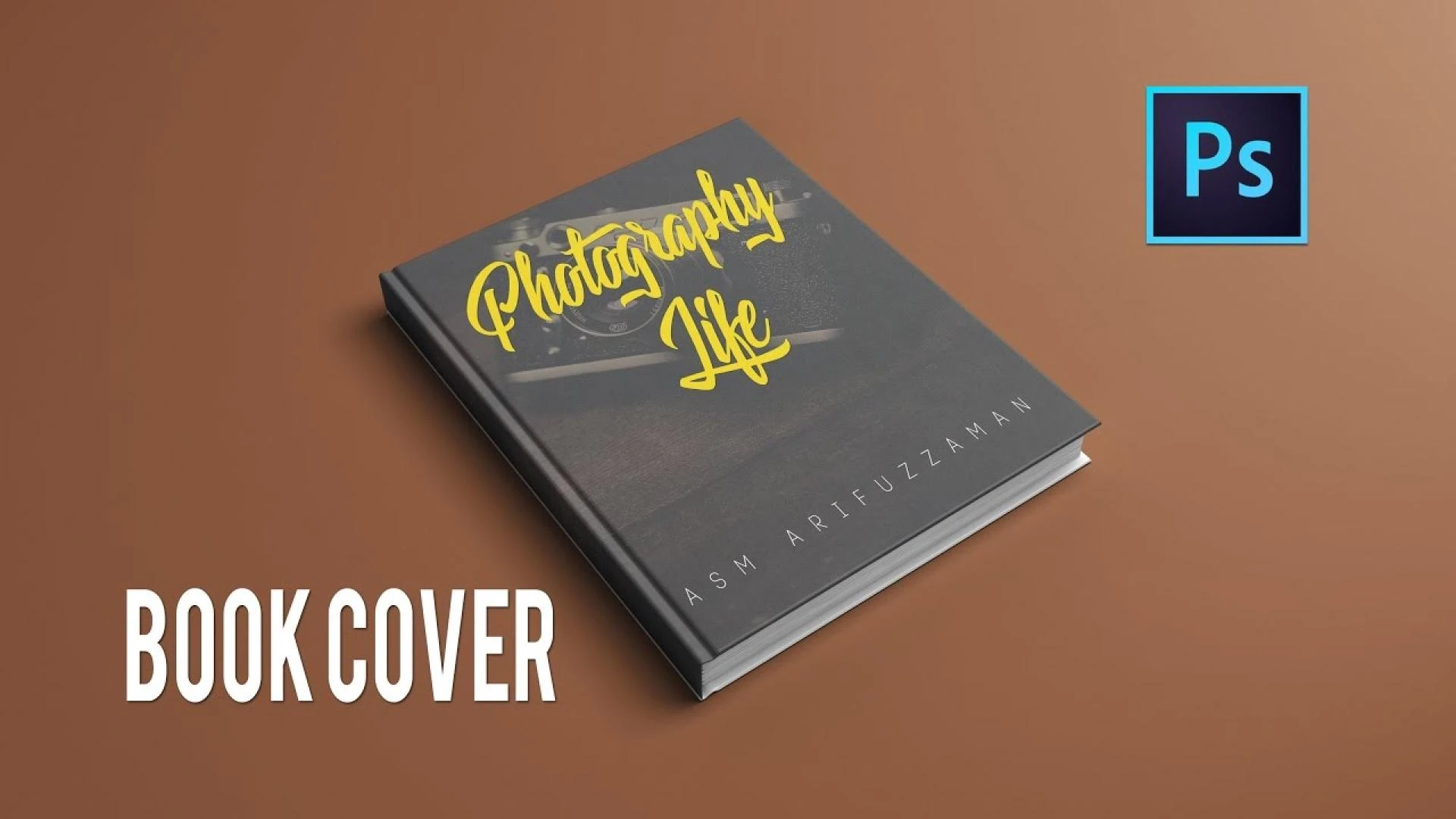
Photo-based covers remain relevant, particularly for non-fiction, memoirs, and realistic fiction. They create an immediate connection with the reader, especially when enhanced with graphics, overlays, or filters.
Key considerations:
- Use high-resolution, professionally taken photos.
- Combine images with bold typography or subtle graphics to increase appeal.
- Avoid cluttered images; focus on a single focal point for clarity.
For self-publishers, ensuring that images and text complement each other is essential. Combining visual appeal with accuracy is crucial, much like how careful ebook proofreading services guarantee that the content inside is as polished as the cover outside. Correct spelling, grammar, and formatting ensure that the reading experience matches the high-quality expectations set by the cover design.
Retro and Vintage Styles
Retro and vintage designs tap into nostalgia, creating a sense of familiarity or evoking a particular historical period. These designs are popular for historical fiction, literary works, and classic genre revivals.
Characteristics of retro/vintage covers:
- Muted color palettes with earthy tones.
- Classic fonts reminiscent of old printing styles.
- Illustration or photography that mimics past eras.
Why they resonate: Readers often associate retro designs with authenticity and emotional depth, making it easier to connect with the story before even reading a page.
Abstract and Conceptual Design
Abstract covers focus on shapes, patterns, or symbolic imagery to convey themes without directly depicting scenes or characters. This style is gaining traction among literary fiction and experimental works.
How to use abstract design effectively:
- Utilize geometric shapes or patterns to symbolize themes or moods.
- Use color and contrast to evoke emotion.
- Align the design with the story’s tone and genre.
Abstract designs can intrigue readers by sparking curiosity, prompting them to pick up the book to discover the story behind the visual cues.
Interactive and 3D Effects
With digital books gaining popularity, interactive and 3D cover effects are emerging as a modern trend. Animated GIFs for eBooks or 3D mockups for online stores increase engagement and make covers more visually appealing.
Tips for interactive covers:
- Ensure compatibility with platforms like Kindle or Apple Books.
- Use subtle animations or depth effects without overwhelming the design.
- Pair with clean, readable typography to maintain clarity.
This trend helps digital-first authors stand out, as an eye-catching 3D or animated cover can influence a reader’s decision in crowded marketplaces.
Combining Trends for Maximum Impact
Many successful modern book covers combine multiple trends to create a unique visual identity.
For example:
- Minimalist backgrounds with bold typography.
- Illustrated elements with vibrant color overlays.
- Retro-inspired illustrations combined with modern font styles.
Tips for combining trends:
- Ensure cohesion: don’t mix too many conflicting styles.
- Test different combinations with focus groups or online previews.
- Align with genre conventions while still standing out.
Strategically combining trends allows authors to create covers that are visually striking while staying relevant in the current market.
Conclusion
Book cover design plays a critical role in attracting readers and conveying a story’s essence.
Key trends include:
- Minimalist layouts
- Illustrated covers
- Bold typography
- Vibrant colors
- Photo-based imagery
- Retro/vintage aesthetics
- Abstract and conceptual designs
- Interactive and 3D effects
When choosing a design, consider your genre, audience, and publishing platform. Collaborating with fantasy book cover artists for hire or utilizing professional tools ensures your cover meets industry standards. Combined with strong internal editing, like thorough ebook proofreading services, a compelling cover paired with polished content maximizes your book’s chances of success.