
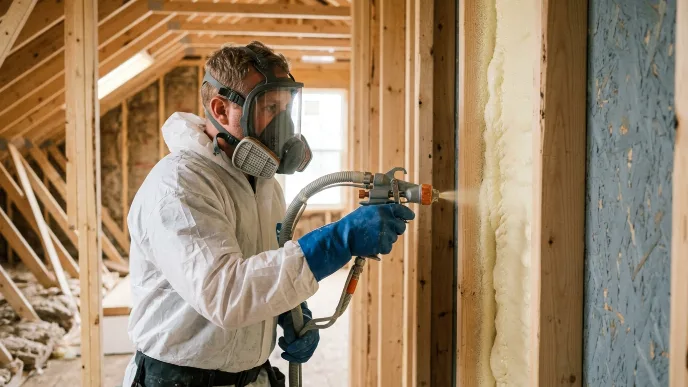
You can tell your pole barn needs better insulation if you notice extreme temperature swings, high energy bills, or moisture buildup on the walls. Efficient Open-Cell Foam Services solve these issues by creating a functional air barrier that stops heat transfer. If your structure feels like an oven in the summer or a freezer in the winter, the existing material is likely failing to do its job.
This guide explains how to identify specific red flags in your building and why upgrading your thermal protection is a smart move. Our team, a trusted spray foam insulation contractor, draws on years of field experience to help you spot these problems before they lead to structural damage. You will learn about the signs of air leakage and how modern solutions can keep your space comfortable and dry.

1. Temperature Fluctuations and Interior Discomfort
One of the most obvious signs of poor insulation is a building that cannot hold a steady temperature. If you step inside and the air feels exactly like the weather outside, your walls are not providing enough resistance. This often happens in older barns where traditional materials have sagged or shifted over time.
Metal buildings are notorious for absorbing solar heat and radiating it directly into the interior space. Without a thick layer of protection, the sun can make the upper areas of your barn unbearable during the afternoon. You might also find that some corners of the building stay cold while others remain warm.
Uniform temperature control is only possible when you have a consistent seal around the entire perimeter. Modern materials help eliminate these "hot spots" by filling every gap in the framing. This ensures that your HVAC system does not have to work overtime to keep up with the outdoor environment.
Bonus Tips
Check the temperature of your interior walls with an infrared thermometer during a very hot or cold day. If the wall temperature is close to the outside temperature, your insulation is insufficient.
2. Skyrocketing Monthly Energy Costs
If you heat or cool your pole barn, your utility bills are a direct reflection of your insulation quality. High costs usually mean your heater or air conditioner is constantly running to replace air that is escaping through the walls. Small gaps and cracks act like open windows, letting your paid-for air disappear.
Open-Cell Foam Services provides a solution that seals these tiny openings while providing thermal resistance. By stopping air movement, you reduce the load on your mechanical systems significantly. Many owners see a noticeable drop in their monthly expenses immediately after upgrading their spray foam.
Investing in better materials pays for itself over time through these monthly savings. It also reduces wear and tear on your furnace or cooling unit, extending its lifespan. If you find yourself constantly adjusting the thermostat without feeling a difference, your money is likely leaking out through the roof.

3. Condensation and Moisture Issues
Moisture is the silent enemy of any metal-framed or wood-framed pole barn. When warm, moist air hits a cold metal surface, it turns into water droplets that can drip onto your equipment. This "sweating" is a clear indicator that the thermal bridge between the inside and outside is not blocked.
Signs of Moisture Damage
- Damp spots on the floor or stored items.
- Visible rust on metal fasteners or wall panels.
- Peeling paint or warped wooden framing members.
- A persistent musty or earthy smell inside the building.
If left unaddressed, this moisture can lead to mold growth, which ruins air quality and stored goods. Proper insulation prevents the interior surface of the walls from reaching the dew point. This keeps the environment dry and protects the structural integrity of the barn for decades.
4. Noise and External Sound Leaks
A pole barn with poor insulation often sounds like a tin drum when it rains or when the wind blows. Metal panels vibrate easily, and without a dampening material, every outside sound is amplified. If you can hear a conversation from outside clearly while standing indoors, your walls are too thin.
Using open-cell foam insulation is an excellent way to dampen these vibrations and reduce noise. The soft, spongy structure of the foam absorbs sound waves rather than reflecting them. This is especially helpful if you use your barn as a workshop, office, or hobby space where quiet is preferred.
Soundproofing is often a secondary benefit, but it indicates how well the material fills the wall cavity. A quiet barn is usually a well-insulated barn. If your space feels loud and hollow, it is a sign that there is too much empty air space within your walls.
5. Pest and Rodent Infestations
Rodents and insects love traditional insulation like fiberglass because it is easy to tunnel through and build nests in. If you see droppings or find chewed-up material in the corners of your barn, your insulation has become a habitat. This not only ruins the thermal value but also creates a health hazard.
Spray foam is much less attractive to pests because it does not provide the same nesting opportunities. It also seals the small entry points that mice and bugs use to get inside in the first place. By closing off these "highways," you make your building much more secure against unwanted visitors.
Comparing Insulation Options for Your Barn

Choosing the Right Material for Your Structure
When you decide to upgrade, you need to choose between different types of spray foam. An open-cell spray foam contractor can help you determine if your specific climate and building use require open or closed-cell options. Open-cell is often preferred for pole barns because it is cost-effective and provides great sound dampening.
This material expands significantly upon application, filling deep wall cavities and odd-shaped corners easily. This expansion ensures that no part of the wall is left exposed to the elements. It is also breathable, which can be an advantage in certain building designs to prevent trapping moisture against wood.
However, if you are in a flood-prone area or need extreme structural reinforcement, you might look at other options. Most standard workshops and storage barns benefit most from the flexibility and seal provided by open-cell foam insulation. It offers a balance of performance and value that hard-sided materials cannot match.

What to Evaluate Before Hiring a Professional
Before you commit to a project, look at the condition of your existing structure. Ensure that the roof is leak-free and that the wall panels are securely fastened. Spray foam should be applied to a clean, dry surface for the best adhesion and long-term performance.
You should also consider the future use of the building. If you plan to finish the walls with drywall or plywood later, the insulation needs to be trimmed flush with the studs. A professional open-cell spray foam contractor will handle this process, leaving you with a clean surface for your finishing touches.
Bonus Tips
Always ask for a thickness recommendation based on your local climate zone. R-value requirements change depending on whether you are in the humid south or the snowy north.
Professional Installation vs. DIY Methods
While DIY kits exist, large-scale projects like a pole barn require industrial equipment. Professional machines heat the chemicals to specific temperatures and mix them at high pressure to ensure the foam cures correctly. If the mix is off, the foam might not stick or could produce odors.
Hiring a team for open-cell foam services ensures that the application is even and covers all hard-to-reach areas. They have the protective gear and ventilation tools to do the job safely and quickly. Most pole barns can be fully insulated in just one or two days by an experienced crew.
Additional Information
Modern spray foams are environmentally friendly and do not contain harmful gases once they have fully cured. They provide a permanent solution that does not settle or shrink like loose-fill materials.
Get a Free Quote for Your Pole Barn Insulation Project Today
If you are tired of a drafty, uncomfortable barn, it is time to consult with the experts at Spray Foam Tech. They provide high-quality open-cell foam services designed to protect your investment and lower your energy costs. You can reach the team directly at (737) 777-9590 or via email at [email protected] to discuss your specific needs. They are located in Texas and serve the surrounding areas with professional installation. You can also view their location on the map at https://maps.app.goo.gl/EGjHWFsjyKuVz28T9. Contact them today for a free quote and take the first step toward a more comfortable and efficient building.
Summary of Key Takeaways
Keeping your pole barn in top shape requires attention to the climate inside. Watch for signs like condensation, high bills, and uneven temperatures. Upgrading to a modern spray foam solution provides a superior air seal and long-lasting protection against the elements. Evaluate your building's current state and choose a professional who understands the specific needs of metal and post-frame structures.
Frequently Asked Questions
How long does it take for spray foam to cure in a barn?
Most spray foams are tack-free within seconds and fully cured within 24 hours. You should ensure proper ventilation during this window before moving livestock or equipment back inside.
Can I spray foam directly onto metal barn panels?
Yes, spray foam adheres very well to clean metal surfaces. It actually helps strengthen the panels by reducing vibration and providing a rigid backing.
Does open-cell foam absorb water if there is a roof leak?
Open-cell foam can hold some moisture if a major leak occurs, but it also allows that moisture to dry out over time. It is important to fix any roof leaks before applying insulation.
Is spray foam safe for horses and livestock?
Once fully cured, spray foam is inert and safe for animals. It helps keep the barn at a healthier temperature, reducing heat stress for livestock during the summer.
Will insulation help prevent my barn from rusting?
By stopping condensation from forming on the inside of the metal panels, insulation significantly reduces the risk of rust and corrosion over time.