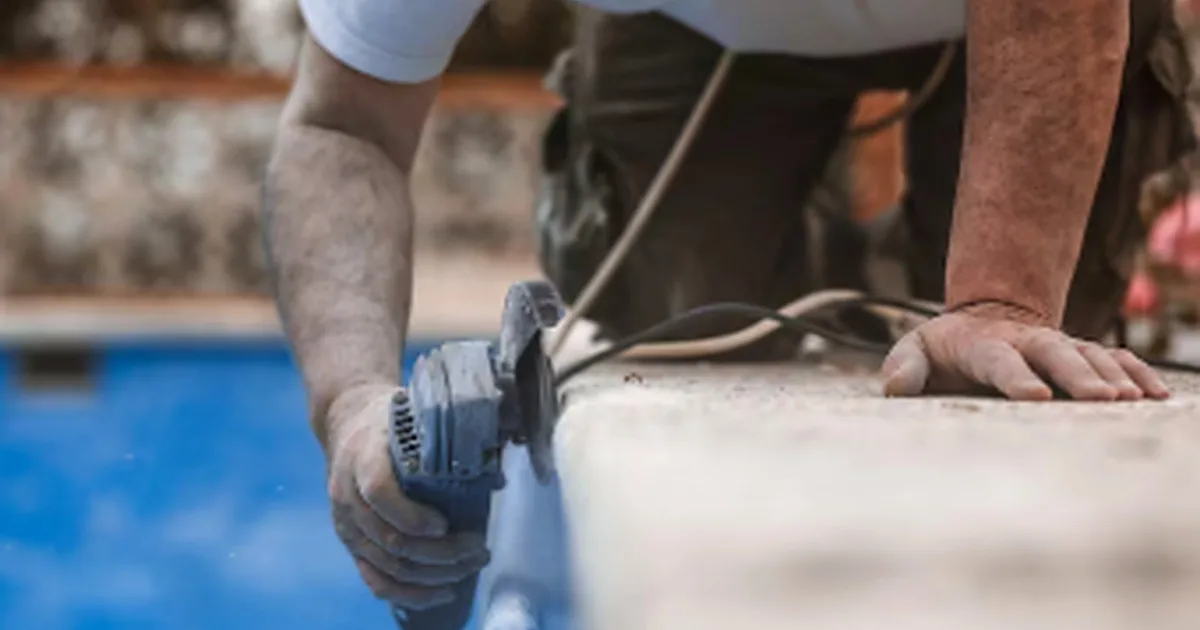
A swimming pool is a valuable addition to a Miami home, offering a place to relax, exercise, and enjoy outdoor activities throughout the year. However, maintaining a reliable swimming pool requires attention to the equipment and systems that keep it operating.
Pool pumps, filters, plumbing connections, heaters, and electrical components experience normal wear over time. When these systems develop problems, homeowners may notice changes in water circulation, temperature, clarity, or equipment performance.
Miami's warm weather, frequent storms, and year-round pool usage make timely pool repairs especially important. Recognizing early signs of equipment trouble can help prevent additional damage and maintain consistent pool operation.
At Pool Wizards, Miami homeowners can access professional swimming pool repairs, equipment diagnostics, and maintenance solutions.
Understanding the most common repair needs can help you determine when professional attention is necessary.
What Swimming Pool Problems Require Professional Repairs?
Swimming pools operate through a combination of mechanical, electrical, and plumbing systems. A problem with one component can affect the performance of others.
For example, a damaged pump may reduce circulation, while a clogged filter can restrict water flow and affect filtration performance.
Common swimming pool problems that may require professional attention include:
- Pool pumps that leak or stop circulating water
- Motors producing unusual noises
- Damaged or clogged filtration systems
- Undetected pool leaks
- Broken plumbing connections
- Malfunctioning heaters
- Pool lighting and electrical problems
- Saltwater chlorination or automation system failures
Identifying these conditions early allows homeowners to schedule appropriate pool repairs before equipment problems become more extensive.
1. Pool Pump Problems That Affect Water Circulation
The pool pump moves water through the filtration system and helps distribute sanitizing chemicals throughout the swimming pool.
When the pump performs poorly, water may not circulate adequately, reducing filtration effectiveness.
Common Signs of Pool Pump Damage
Homeowners may notice weak return jets, unusual pump noises, leaking seals, or difficulty maintaining suction.
Other signs include overheating, frequent shutdowns, and a motor that struggles to start.
These symptoms may indicate damaged seals, worn internal components, blocked impellers, or suction-side air leaks.
Professional pool pump repairs can address mechanical problems and help restore proper circulation.
2. Pool Filter Problems That Reduce Water Clarity
The filtration system removes suspended dirt and debris from circulating water.
When a filter becomes clogged or damaged, particles may remain in the pool, causing water to appear cloudy.
How Can You Identify Pool Filter Problems?
Common warning signs include:
- Persistent cloudy water
- Reduced circulation
- Unusual filter pressure readings
- Water leaking around the filter housing
- Damaged filter cartridges
- Debris returning through pool jets
Filter problems may result from excessive debris accumulation, deteriorated cartridges, or damaged housing components.
Professional pool filter cleaning and repairs can include cartridge replacement, filter housing repairs, and pressure cleaning.
Maintaining proper filtration helps support clear water and dependable circulation.
3. Pool Leaks That Cause Unexplained Water Loss
Swimming pools naturally lose water through evaporation, particularly during periods of warm or windy weather.
However, frequent refilling or unusually rapid water loss may indicate a leak.
Where Do Swimming Pool Leaks Commonly Occur?
Leaks may develop around:
- Skimmer connections
- Return fittings
- Pool lights
- Underground plumbing
- Main drains
- Cracks in the pool surface
- Equipment connections
A leaking pool can increase water consumption and potentially affect surrounding soil or structures.
Professional pool leak detection helps locate hidden leaks and identify the appropriate repair method.
Miami homeowners should pay particular attention to persistent water loss that continues despite changes in weather or swimming activity.
4. Damaged Pool Plumbing and Valves
Pool plumbing connects pumps, filters, heaters, and other circulation equipment.
Cracked pipes, leaking connections, or malfunctioning valves can interfere with normal water movement.
What Causes Pool Plumbing Problems?
Plumbing issues may develop from aging materials, equipment movement, damaged fittings, or improper connections.
Homeowners may notice wet areas near equipment, reduced water pressure, air entering the circulation system, or water leaking around valves.
Professional pool plumbing repairs may involve replacing damaged pipes, repairing suction and discharge leaks, or installing new valves.
Correcting plumbing problems helps maintain consistent water flow and reduces unnecessary water loss.
5. Pool Heater Problems That Affect Water Temperature
Although Miami offers warm weather throughout much of the year, pool heaters provide additional comfort during cooler periods.
A malfunctioning heater may prevent pool water from reaching or maintaining the desired temperature.
Common Pool Heater Warning Signs
Signs include:
- Water remaining colder than expected
- Heater error messages
- Unexpected shutdowns
- Inconsistent heating
- Unusual operating noises
- Leaks near heater connections
These issues may involve temperature sensors, heat exchangers, electrical controls, or inadequate water flow.
Professional pool heater repairs help identify the affected component and determine whether repair or replacement is appropriate.
Gas and electrical heater work should be completed by qualified professionals.
6. Pool Lighting and Electrical Malfunctions
Pool lighting improves visibility and enhances the appearance of swimming areas, particularly during evening use.
However, damaged lighting components and electrical faults require careful attention.
When Should Pool Lighting Be Inspected?
Homeowners should arrange professional inspection when underwater lights flicker, stop working, or show signs of moisture inside the fixture.
Repeatedly tripping circuit breakers or ground-fault protection devices may also indicate an electrical problem.
Electrical faults near swimming pools can present serious safety hazards.
Avoid using affected equipment and arrange repairs through a qualified professional.
Pool lighting repairs may involve replacing damaged fixtures, lenses, or compatible lighting components.
7. Salt System and Pool Automation Failures
Many Miami homeowners use saltwater chlorination systems and automated controls to simplify swimming pool management.
Salt systems generate chlorine from dissolved salt, while automation systems control equipment schedules and operating functions.
How Do You Recognize System Problems?
Common warning signs include low chlorine production, salt system alerts, malfunctioning controls, and equipment failing to respond to programmed settings.
Calcium buildup on salt cells can also affect chlorine generation.
Professional pool repairs may include salt cell cleaning, component replacement, control troubleshooting, or valve actuator repairs.
Timely attention helps restore normal equipment operation and supports consistent water treatment.
Which Pool Repair Problems Should Be Addressed First?
Certain equipment problems require more immediate attention because they can affect safety or cause additional damage.
Homeowners should prioritize professional assistance when:
- Electrical equipment repeatedly trips protective devices.
- Pool lights show signs of damage or moisture intrusion.
- A pump operates without adequate water.
- Significant water loss suggests a major leak.
- Circulation stops completely.
- Equipment produces smoke or burning odors.
- Water clarity prevents clear visibility through the pool.
Stop using affected equipment when electrical or mechanical hazards are suspected.
If proper water sanitation and clarity cannot be maintained, swimming should be avoided until the conditions are corrected.
How Can Regular Maintenance Reduce Pool Repair Costs?
A consistent maintenance routine provides opportunities to identify developing equipment problems before they lead to more extensive damage.
Homeowners can help maintain equipment by:
- Removing leaves and debris regularly.
- Keeping pool water at the appropriate level.
- Monitoring chlorine and pH.
- Cleaning accessible skimmer and pump baskets.
- Observing pump and filter performance.
- Checking equipment for visible leaks.
- Scheduling professional inspections when operating conditions change.
Professional residential pool services can support routine cleaning, chemical balancing, and equipment monitoring.
Regular maintenance cannot eliminate every repair need, but it helps homeowners respond to warning signs before problems become more complicated.
Should You Repair or Replace Damaged Pool Equipment?
Choosing between repair and replacement depends on the equipment's age, condition, and the extent of the damage.
Minor problems involving gaskets, seals, valves, or replaceable components may be addressed through targeted repairs.
Replacement may be more practical when equipment experiences repeated failures, has extensive mechanical damage, or no longer operates efficiently.
A professional assessment should consider the repair cost, availability of replacement parts, equipment compatibility, and expected future performance.
Pool Wizards provides pump, motor, filter, heater, plumbing, lighting, leak detection, salt system, and automation repair services throughout Miami.
A technician can evaluate the problem and recommend an appropriate solution based on the equipment's condition.
Final Thoughts
Swimming pool equipment problems can develop gradually, making early warning signs important for Miami homeowners.
Leaking pumps, damaged filters, plumbing failures, heater malfunctions, and electrical problems can interfere with circulation, water quality, and normal pool operation.
Scheduling professional pool repairs when these issues appear helps address mechanical damage, restore equipment performance, and support dependable year-round swimming.
Regular cleaning and equipment inspections also provide opportunities to identify potential problems before they become more extensive.
Pool Wizards offers professional swimming pool equipment repairs for homeowners throughout Miami, FL, and surrounding communities.
Request a Free Pool Repair Quote to discuss your equipment problems and explore suitable repair or replacement options.
Frequently Asked Questions
1. What are the most common swimming pool repairs in Miami?
Common repairs include pump and motor servicing, filter repairs, leak detection, plumbing repairs, heater troubleshooting, and pool lighting replacement. Year-round use and environmental conditions make regular equipment monitoring particularly important.
2. How do I know if my swimming pool equipment needs repairs?
Unusual noises, persistent leaks, reduced water circulation, cloudy water, equipment shutdowns, and recurring error messages can indicate problems. A professional inspection can identify the underlying cause.
3. Can a leaking swimming pool damage my property?
Yes. Persistent leaks can waste water and may contribute to soil movement or damage near pool structures. Professional leak detection can help identify the source and determine the appropriate repair.
4. Is it better to repair or replace a pool pump?
The decision depends on the pump's age, mechanical condition, repair cost, and available replacement parts. Minor seal or fitting problems may be repairable, while extensive damage or repeated failures may justify replacement.
5. How often should pool equipment be inspected in Miami?
Pool equipment should be checked during routine maintenance and whenever operating performance changes. Miami's year-round pool usage makes regular monitoring of pumps, filters, plumbing, and electrical systems valuable.
6. Where can homeowners schedule professional pool repairs in Miami, FL?
Miami homeowners can contact Pool Wizards for pump repairs, filtration services, plumbing repairs, heater servicing, leak detection, and other swimming pool equipment repairs. Professional assessment helps determine the most suitable repair approach.