Transporting freight across international borders demands precision, planning, and a clear understanding of regulations. While trade between Canada, the United States, and Mexico is well established, cross border logistics still presents several operational and compliance challenges that businesses must navigate carefully. From customs requirements to documentation accuracy, even minor oversights can result in costly delays.
Customs Compliance and Regulatory Barriers
One of the most significant challenges in cross border trucking is ensuring full compliance with customs regulations. Each country enforces strict standards to protect public health, safety, and economic interests. Import restrictions, product-specific rules, and inspection requirements can vary widely. For example, certain dairy products from the United States may face limitations when entering Canada. Without up-to-date knowledge, shipments can be denied entry, leading to losses and reputational setbacks.
Documentation Errors and Shipment Delays
Another critical issue lies in documentation. Cross border transport services rely heavily on accurate and complete paperwork, including bills of lading, commercial invoices, and certificates of origin. Errors, inconsistencies, or missing details often result in shipments being held at the border. These delays can extend from a few days to several weeks, disrupting supply chains and increasing costs for both shippers and carriers.
Coordination Across Multiple Stakeholders
Coordination across multiple stakeholders further complicates cross-border logistics. Carriers, customs brokers, warehouses, and regulatory agencies must work in sync to ensure the smooth movement of goods. Miscommunication or lack of preparation at any stage can create bottlenecks. This is why many businesses choose experienced cross border trucking partners who understand regional regulations and maintain strong cross-border networks.
External Factors and Operational Challenges
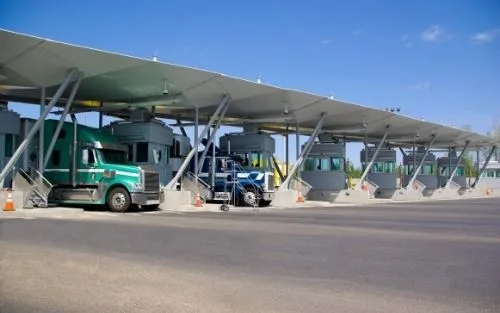
Seasonal demand fluctuations and infrastructure constraints also play a role in shaping cross-border logistics performance. Weather conditions, peak shipping periods, and congestion at major border crossings can slow transit times significantly. Planning shipments with buffer time and selecting optimal routes are essential strategies for reducing uncertainty. Experienced carriers often anticipate these variables and adjust schedules accordingly, helping businesses maintain reliability even during high-demand periods.
Conclusion
Ultimately, successful cross border transport services depend on a combination of regulatory knowledge, operational efficiency, and trusted partnerships. Working with an experienced provider like Vectra Heavy Haulers ensures that shipments move efficiently across North America, with proper permits, accurate documentation, and a deep understanding of customs requirements supporting every step of the journey. Such expertise ultimately minimizes risks, controls costs, and builds long-term trust with clients operating across complex international supply chains every day.
Find more information at https://www.vectraheavyhaulers.com/
Original Source: https://bit.ly/4tRb7wv