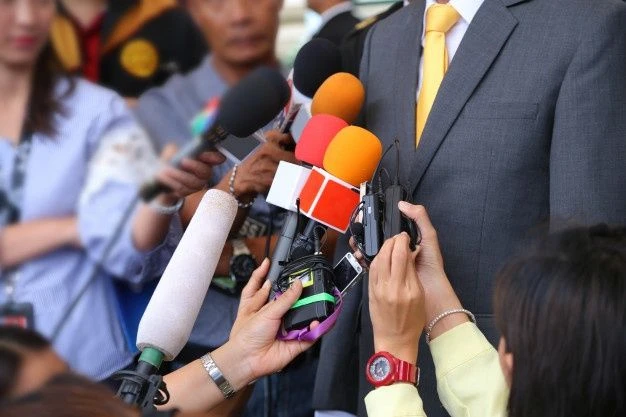
Media interviews can be a great opportunity for organizations to enhance their credibility, reach a wider audience, and build trust. However, to make the most of these opportunities, spokespeople need to communicate with confidence and clarity. This is where a media training workshop comes in.
A well-structured media interview training program prepares spokespeople to deliver their key messages effectively, handle tough questions, and present themselves in a way that resonates with their audience. Let us explore the essential components that make media training truly effective:
Preparation and practice
- Know your message: A strong media training session ensures spokespeople thoroughly understand their key messages. The ability to deliver concise, impactful statements is crucial.
- Mock interviews: Simulated media interviews help participants practice real-world scenarios and refine their responses to them.
- Understanding journalists’ needs: Spokespeople learn what reporters look for in a story and how to provide meaningful answers that align with the media’s objectives.
Crafting and delivering a strong message
- Clarity and simplicity: Messages should be concise, clear, and easy for the audience to understand and remember.
- Bridging techniques: Learning how to steer the conversation back to key points when asked challenging questions.
- Storytelling skills: A compelling story enhances engagement and makes messages more relatable.
Managing difficult questions
- Staying composed under pressure: Media training helps spokespeople remain calm and collected, even when facing tough or unexpected questions.
- Techniques to stay on track: Avoiding speculation, controlling the conversation, and keeping the discussion focused on the intended message.
- Handling negative or misleading questions: Learning how to respond professionally without reinforcing negative narratives.
Mastering non-verbal communication
- Body language: Eye contact, facial expressions, and posture all play a key role in how a spokesperson is perceived.
- Voice control: Tone, pace, and volume contribute to delivering a confident and credible message.
- Avoid distracting gestures: Fidgeting, swaying, or crossing arms can undermine the message being conveyed.
Realistic media scenarios
- Different interview formats: Spokespeople should be comfortable with live TV, radio, phone, and virtual interviews.
- Industry-specific training: Training should be customized to match the types of media interactions an organization is likely to face.
- Crisis communication: Understanding how to handle sensitive issues and control messaging during a crisis.
Post-training feedback and continuous improvement
- Recording and reviewing interviews: Watching the playback of interviews helps participants refine their delivery.
- Personalized feedback: Trainers provide insights on strengths and areas for improvement.
- Ongoing practice: Regular refresher sessions ensure spokespeople stay media ready.
Conclusion
Media interviews can be challenging, but with proper training, spokespeople can develop the confidence and skills necessary to navigate them successfully. A media training workshop that includes tailored content, practical exercises, and expert guidance can make all the difference. Whether preparing for high-profile media appearances or trade publications, investing in effective media interview training can help you communicate your message properly and with impact.