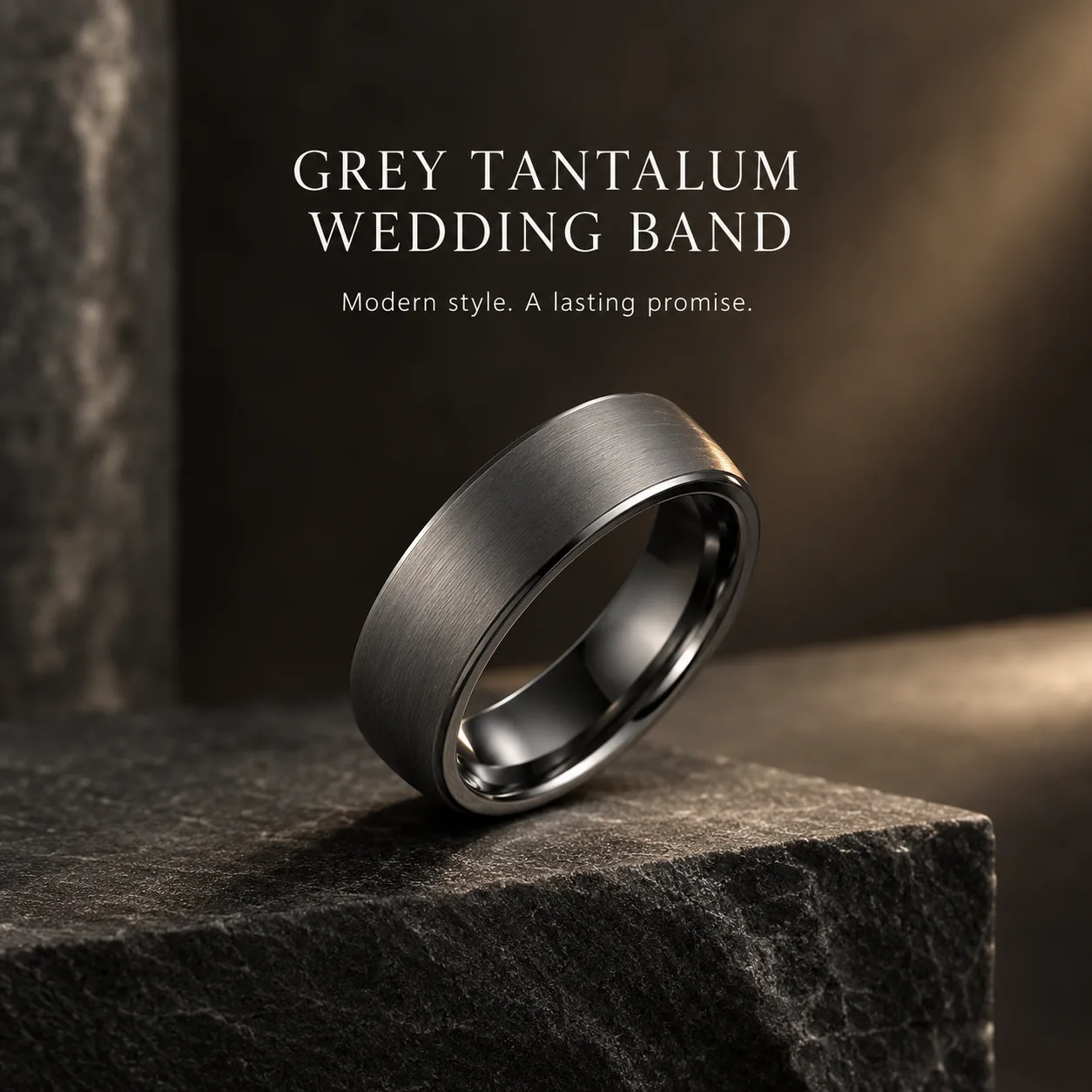
Buying wedding bands is an exciting part of preparing for marriage, but the small details can make a big difference over time. You might fall in love with a particular design, only to discover that it feels uncomfortable during daily activities or requires more maintenance than expected. Choosing the right Wedding Bands means looking beyond appearance and considering fit, lifestyle, materials, and long-term wear.
A little preparation can help you avoid costly mistakes and find a ring that feels just as right years from now as it does on your wedding day.
Choosing Style Before Considering Comfort
A wedding band should look beautiful, but it should also feel comfortable enough to wear throughout the day. A wide, heavy ring may look impressive in a display case but feel restrictive if you are not accustomed to wearing jewelry.
Pay attention to the band's width, thickness, and inner shape. A comfort-fit band has a slightly rounded interior that can make it easier to slide over your knuckle. If you work with your hands frequently, a lower-profile design may also reduce the chance of the ring catching on clothing or equipment.
Try on several styles before making a decision. Wear each ring for a few minutes, close your hand, and notice whether the edges press against your fingers. Comfort matters more than you might expect when you plan to wear the ring every day.
Getting the Ring Size Wrong
An incorrect ring size is one of the most common mistakes when shopping for wedding jewelry. A ring that is too tight can become uncomfortable as your fingers swell in warm weather, while a loose band may slip off during routine activities.
Finger size can change slightly throughout the day because of temperature, activity, and hydration. For a more reliable measurement, have your finger sized when your hands are at a comfortable temperature. If your knuckle is noticeably wider than the base of your finger, tell the jeweler so the fit accounts for both areas.
Remember that band width can affect how a ring feels. A wider band often needs a slightly different fit from a narrow one. Before purchasing, ask about resizing options, associated costs, and whether the chosen metal or design limits future adjustments.
Ignoring Your Daily Lifestyle
The most attractive ring is not always the most practical choice for your routine. Someone who works at a desk may have different needs from someone who regularly handles tools, exercises with weights, or works outdoors.
For example, intricate settings can collect dirt more easily, while raised diamonds may catch on fabric or gloves. If you prefer a low-maintenance option, a smooth band with a simple finish could be a better match.
When comparing a Men Wedding Band with other styles, consider the width, metal hardness, finish, and overall profile rather than relying on traditional gender labels. The same practical questions apply when choosing a women Wedding Band. Your daily habits should guide the design, regardless of who will wear it.
Overlooking Metal Durability and Maintenance
Gold, platinum, and other jewelry metals differ in appearance, weight, durability, and maintenance needs. The right choice depends on your preferences and how you intend to wear the ring.
Yellow, white, and rose gold offer different colors, while platinum has a naturally white appearance and develops a patina with wear. White gold may require periodic rhodium plating to maintain its bright finish, depending on the alloy and the original treatment.
Do not assume that a harder metal will never scratch or that a more expensive option will remain pristine. All precious metals can show signs of wear. Ask the jeweler how the metal responds to everyday use, what cleaning it requires, and whether repairs or refinishing could affect the design.
Choosing Diamonds Without Checking the Setting
Diamonds can add sparkle and personal meaning to wedding jewelry, but the setting deserves as much attention as the stones themselves. A beautiful diamond wedding band may feature pavé, channel, bezel, or prong settings, each with different practical considerations.
Prongs can hold stones securely when properly made and maintained, but they may catch on fabric or require periodic inspection. Channel settings protect the sides of many stones, while bezel settings surround the stones with metal. No setting is completely maintenance-free.
If you are comparing mens diamond wedding bands, examine how far the stones sit above the surface and whether the ring suits your daily activities. For any piece of diamond jewelry, ask about the stone specifications, setting construction, cleaning recommendations, and inspection schedule before buying.
Focusing Only on the Price Tag
A low purchase price can be appealing, but the initial cost does not tell you everything about a wedding band's value. Differences in metal purity, diamond quality, craftsmanship, finishing, and after-sales service can affect the ring's long-term cost.
Compare similar rings rather than judging pieces by price alone. Check whether the quoted amount includes taxes, engraving, resizing, a warranty, or routine inspections. Request the current terms in writing, especially if the seller advertises free maintenance or lifetime services.
If you are exploring designers wedding bands, review the details of the craftsmanship and the services offered after purchase. A well-made ring with clear care and repair policies may provide better value than a cheaper option with limited support.
Forgetting Future Changes and Matching Preferences
Your wedding band should reflect your taste today without making future wear unnecessarily difficult. Highly unusual shapes, elaborate engravings, and rings with diamonds around the entire circumference can limit resizing options. Some designs also make repairs more complicated.
If you plan to wear your ring alongside an engagement ring, try both pieces together. Check for gaps, rubbing, or awkward angles. Matching metals can create a coordinated look, but contrasting finishes or shapes can work beautifully when the rings sit comfortably together.
You can also apply the same care when selecting anniversary bands or a diamond anniversary band later in life. Consider how a new ring will fit with your existing jewelry, whether its setting allows comfortable stacking, and how much maintenance the combined pieces will require.
Rushing the Purchase Instead of Asking Questions
Wedding planning can leave you with a long checklist, making it tempting to buy a ring quickly. However, a short conversation with a knowledgeable jeweler can prevent misunderstandings about fit, materials, and service policies.
Visit reputable jewelers, compare a few options, and ask how each design will hold up under your usual conditions. If you are researching jewelry stores in valley fair or comparing retailers at westfield jewelry locations, use the same checklist at every store so you can make a fair comparison.
Before paying, confirm the ring size, metal purity, diamond details where applicable, return policy, resizing conditions, and care requirements. Keep the receipt and any product documentation in a safe place.
The best wedding band is not simply the one that looks striking under showroom lights. It is the one that fits comfortably, suits your lifestyle, and offers lasting meaning. Take your time, ask clear questions, and choose Wedding Bands with both your wedding day and the years ahead in mind.