Why More Families Are Looking at Mother-in-Law Suite Plans
Families changed a lot in the last few years. Housing prices went nuts. Rent climbed. Elder care got expensive fast. So now people are thinking differently about home design, and honestly, it makes sense. That’s where Mother-in-law suite plans started getting real attention. Not just from retirees either. Young couples. Adult kids. Even people wanting rental income. Everybody’s looking for flexibility now.
A good mother-in-law suite gives privacy without feeling disconnected. That matters more than people realize. Nobody wants to feel trapped in the same kitchen twenty four hours a day. People need space. Separate entrances help. A small kitchenette helps too. Some families even build a detached setup in the backyard because it feels less awkward. Less tension. Cleaner boundaries.
The interesting thing is these spaces aren’t tiny little afterthoughts anymore. They’re being designed like actual homes. Comfortable bedrooms. Decent bathrooms. Natural light. Storage. Sometimes even full laundry rooms. It’s not just “a room for grandma” anymore. It became practical multi-generational living.

Detached Living Space Plans Are Becoming a Smarter Investment
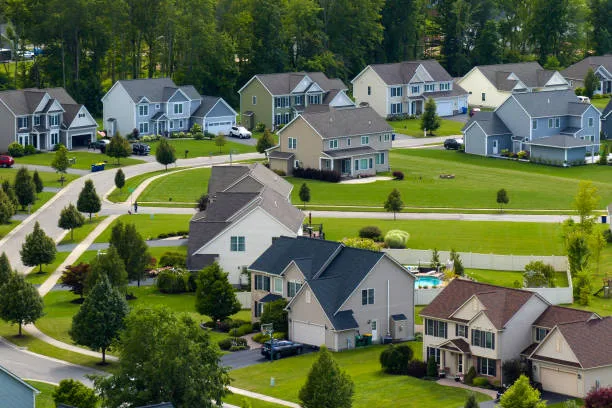
A lot of homeowners first search for Detached living space plans because they want independence on the same property. That’s usually the biggest reason. The second reason? Money. Building a detached suite can increase property value in ways people don’t always expect.
Think about it. A future buyer might use that space for aging parents. Or a college kid who came back home. Maybe even Airbnb income depending on local rules. So the structure becomes more than extra square footage. It becomes useful square footage. Big difference there.
Detached spaces also reduce everyday friction. You still see family often, but there’s breathing room. Noise stays separated. Different schedules don’t clash as much. Somebody can wake up at 5 AM without disturbing the entire house. Real life stuff. Small details, but they matter.
And honestly, detached layouts just feel cleaner architecturally. They can blend into the backyard nicely if designed well. Some look like mini cottages. Others resemble modern studios with big windows and simple rooflines. The style options now are way better than they were ten years ago.
Choosing the Right Layout Without Overcomplicating Everything
People get overwhelmed fast looking at floor plans online. Too many options. Too many buzzwords. Sometimes you just need to simplify the decision.
Start with how the space will actually be used. That sounds obvious, but people skip it. If an older parent is moving in, single-floor layouts matter. Wider doorways matter too. Stairs become a problem eventually, even if they aren’t today. Smart planning means thinking five or ten years ahead, not just next month.
For younger adults or guests, maybe you focus more on privacy and style. A small patio. Bigger closet. Separate parking area. Those little features change the feel completely.
Open-concept Mother-in-law suite plans are popular because they make small spaces feel less cramped. But not everybody likes open layouts. Some people want walls. Quiet. Defined rooms. Depends on personality really.
Another mistake people make? Oversizing. Bigger isn’t always better here. Sometimes a compact 600-square-foot layout feels more comfortable than a badly designed 900-square-foot plan. Efficiency matters more than raw size.
The Privacy Factor Nobody Talks About Enough
Privacy is the thing families underestimate the most. Seriously. Everybody starts optimistic. Then reality shows up six months later.
Shared driveways. Shared kitchens. Thin walls. Suddenly little annoyances become giant arguments. That’s why well-designed Detached living space plans work better long term. They create separation naturally. Nobody feels monitored all the time.
Separate entrances are huge. Sound insulation matters too. And outdoor space, even a tiny patio, can completely change how somebody feels living there. People need a spot to sit outside without feeling like they’re in someone else’s yard every second.
Some homeowners even position the suite strategically so windows don’t directly face the main house. Small design move. Massive difference psychologically.
There’s also emotional privacy. Older parents often don’t want to feel dependent. Having their own space protects dignity a bit. That matters more than square footage honestly.
Modern Design Trends Are Changing Mother-in-Law Suites Completely
Older accessory suites used to look kind of depressing. Dark carpets. Tiny windows. Weird low ceilings. Not anymore.
Modern Mother-in-law suite plans feel bright and intentional now. Designers are using higher ceilings, oversized windows, cleaner materials. More natural textures too. Wood tones. Soft neutral colors. Simpler finishes. Spaces feel calmer because of it.
A lot of homeowners are leaning toward modern farmhouse or minimalist styles because they age well visually. Ultra trendy designs can look dated pretty quick. Simple usually lasts longer.
Kitchenettes are changing too. Instead of cramming in giant appliances, designers focus on practical setups. Drawer refrigerators. Compact induction cooktops. Better storage. Smart use of vertical space. The goal isn’t making a full suburban kitchen. It’s making daily life comfortable.
Bathrooms are getting smarter as well. Walk-in showers are almost standard now. Less risk. Easier accessibility. Cleaner appearance too. And honestly they just look better than bulky tubs in smaller spaces.
Budgeting for Detached Living Space Plans Without Getting Burned
This part gets messy fast if people don’t plan carefully. Construction costs surprise almost everyone. Materials fluctuate constantly. Labor isn’t cheap either.
The biggest mistake? Underestimating site work. People focus only on the structure itself. But utilities cost money. Plumbing trenches. Electrical lines. Permits. Foundation work. That stuff stacks up quick.
Detached living space plans can range wildly depending on finish level and location. Some basic units stay relatively affordable. Others turn into luxury guest houses before the owner even realizes what happened.
It helps to decide early where you actually care about spending money. Maybe quality windows matter more than expensive flooring. Maybe insulation matters more than fancy lighting. Priorities keep budgets from spiraling.
And don’t ignore future maintenance. Cheap materials sometimes cost more long-term because they wear out faster. Especially in smaller structures exposed to weather year-round.
Honestly, the best projects usually aren’t the flashiest ones. They’re balanced. Functional. Comfortable. Built with realistic expectations.
Zoning Rules and Permits Can Slow Everything Down
Not exciting to talk about, but this matters. A lot.
Some homeowners spend months designing beautiful Mother-in-law suite plans only to learn local zoning rules won’t allow what they want. Or setback requirements ruin the layout. Happens all the time.
Cities and counties all handle accessory dwelling units differently. Some areas encourage them because housing shortages are bad. Others make the process painful with restrictions and permit delays.
Parking requirements trip people up too. Same with utility hookups. Some municipalities require separate meters. Others don’t. You really need clarity before construction starts.
And if the plan includes renting the space later, regulations matter even more. Short-term rental laws change constantly. So do occupancy rules.
Not glamorous stuff, I know. But ignoring permits early can become expensive later. Real expensive.
How Families Actually Use These Spaces Day To Day
What’s funny is people often build these suites for one purpose, then end up using them differently later.
Maybe it starts as a place for aging parents. Then years later it becomes a home office. Or a college kid moves in temporarily. Then a cousin. Life changes constantly. Flexible layouts matter because of that.
Some families use detached suites almost like a private retreat space. Quiet place to work. Guest housing during holidays. Temporary recovery space after surgeries. They adapt over time.
That flexibility is why Detached living space plans hold long-term value. The space rarely sits useless if designed correctly.
And there’s a social side people don’t always expect. Families can stay closer geographically without sacrificing independence. Grandparents see grandkids more often. Adult children save money while getting established. There’s practical emotional value there. Hard to measure, but real.
Features That Make Mother-in-Law Suite Plans Feel Truly Comfortable
Certain features make these spaces feel like real homes instead of glorified spare rooms.
Natural light is probably the biggest one. Dark spaces feel temporary. Bright spaces feel livable. Big difference emotionally. Even one large window can transform a room.
Storage matters too. People underestimate that constantly. Nobody wants clutter everywhere because there’s nowhere to put things. Built-ins help. Vertical shelving helps. Thoughtful closets matter more than giant decorative features.
Soundproofing is another overlooked detail. Especially if the suite sits close to the main house. Quiet spaces reduce stress naturally.
Outdoor access changes everything too. Even a tiny porch makes a detached unit feel independent. Human beings need transitional space between indoors and outdoors. Sounds dramatic maybe, but it’s true.
And internet connectivity. Seriously. Don’t cheap out there. Modern living depends on reliable Wi-Fi whether someone’s retired, working remotely, or streaming movies at night.
Conclusion: Smart Mother-in-Law Suite Plans Create Long-Term Flexibility
At the end of the day, the best Mother-in-law suite plans aren’t necessarily the biggest or most expensive ones. They’re the ones designed around actual life. Real people. Real routines. Real privacy needs.
Families today want flexibility because life changes fast. Parents age. Kids return home. Financial situations shift. Detached living arrangements give homeowners options without forcing everybody under one crowded roof.
Good Detached living space plans balance comfort with practicality. Enough independence to avoid tension. Enough closeness to stay connected. That balance matters more than trendy finishes or oversized layouts.
And honestly, these spaces are probably only getting more popular from here. Housing costs aren’t slowing down much. Multi-generational living keeps growing. People want smarter ways to use property they already own.
A well-designed suite can serve a family for decades if planned thoughtfully. That’s the real value. Not just resale numbers or square footage. Long-term usefulness. Adaptability. A space that keeps working even when life changes direction a little.

FAQs About Mother-in-Law Suite Plans
What are Mother-in-law suite plans exactly?
Mother-in-law suite plans are home layouts designed to include a separate living area for extended family, guests, or caregivers. Some are attached to the main house while others are fully detached structures in the backyard.
Are Detached living space plans good for property value?
Usually, yes. Well-designed detached spaces can increase resale appeal because buyers see flexibility for family living, rental income, or guest accommodations.
What size should a mother-in-law suite be?
Most suites range from around 400 to 900 square feet. Smaller spaces can work great if the layout is efficient and doesn’t waste room.
Do mother-in-law suites need separate entrances?
Not legally everywhere, but separate entrances make daily living easier and provide better privacy for everyone involved.
Are detached suites cheaper than home additions?
Not always. Detached units sometimes cost more because they need separate foundations and utility connections. Depends on location, materials, and permits.
Can Detached living space plans be rented out later?
In many areas they can, but zoning and rental laws vary a lot. Always check local regulations before building if rental income is part of the plan.
What features matter most in Mother-in-law suite plans?
Privacy, accessibility, storage, natural light, and sound insulation matter the most long term. Fancy upgrades are nice, but functional comfort matters more.