Businesses talk to customers through messaging every day. People expect quick replies and simple answers. Long waiting time pushes customers away. A Whatsapp Chatbot helps businesses reply fast and manage many conversations at once.
Automation plays a big role in this process. It helps businesses answer common questions, send updates, collect leads, and guide customers during their journey. Support teams save time. Customers receive quick responses.
Companies like Askeva help businesses build automation systems for WhatsApp communication. These systems allow brands to connect with customers in a simple and efficient way.
This article explains the best automation strategies that make a Whatsapp Chatbot useful for business communication.
Why Automation Matters for a Whatsapp Chatbot
Customers want quick information. They prefer chat instead of email or phone calls. Messaging gives them comfort and speed.
A Whatsapp Chatbot answers questions instantly. Customers can ask about orders, products, pricing, or services. The chatbot replies within seconds.
Automation also allows businesses to stay available all the time. Customers send messages at night or during weekends. The chatbot still responds.
Support teams handle fewer repetitive questions. They spend more time solving complex issues. Businesses improve efficiency and customer satisfaction.
Platforms like Askeva help companies design chatbot systems that simplify customer communication.
Core Automation Strategies for WhatsApp Chatbots
A successful Whatsapp Chatbot needs strong automation strategies. The right approach improves customer experience and business performance.
Trigger-Based Chatbot Responses
Trigger-based automation helps chatbots respond to specific keywords or actions.
A customer may type “track order.” The chatbot recognizes the request. It retrieves delivery details from the system. The customer receives an update immediately.
Triggers also work with system events. When a customer places an order, the chatbot sends a confirmation message. When the order ships, the chatbot sends another update.
Businesses improve response speed with trigger automation.
Automated Notifications and Alerts
Customers like regular updates. Automated notifications help businesses deliver information quickly.
A Whatsapp Chatbot can send messages such as:
- order confirmation
- delivery update
- payment notification
- appointment reminder
- service alert
Customers stay informed without contacting support teams.
E-commerce companies often send cart reminders. A customer leaves items in the cart. The chatbot sends a reminder message. The customer returns and completes the purchase.
Businesses use platforms like Askeva to automate these notifications.
AI-Based Conversation Automation
AI technology helps chatbots understand customer messages.
Customers ask questions in different ways. One customer asks, “Where is my order?” Another asks, “Has my package shipped?”
An AI-powered Whatsapp Chatbot understands both questions. It provides the same tracking response.
AI also improves chatbot learning. The system analyzes past conversations. It improves responses over time.
Customers receive faster and more accurate answers.
Hybrid Chatbot with Human Support
Chatbots handle many simple questions. Some situations require human assistance.
A Whatsapp Chatbot should connect customers with support agents when necessary.
The chatbot answers basic questions. Pricing details, product information, order updates. A human agent takes over when a customer needs detailed guidance.
This approach keeps customer service efficient and personal.
Companies like Askeva design chatbot systems that allow smooth handover to support teams.
Bulk Messaging Automation
Businesses also use chatbots for marketing communication.
A Whatsapp Chatbot sends messages to customers who agree to receive updates.
These messages may include:
- promotional offers
- product announcements
- discount campaigns
- event invitations
- loyalty rewards
Businesses divide customers into groups. Each group receives relevant promotions.
Targeted messaging improves engagement and sales.
Industry Use Cases for WhatsApp Chatbot Automation
Many industries use chatbot automation to improve communication.
E-commerce
Online stores use a Whatsapp Chatbot for order tracking, product questions, and cart recovery messages. Customers receive quick shopping assistance.
Real Estate
Real estate companies use chatbots to capture leads and answer property questions. Customers request property details and schedule visits.
Healthcare
Hospitals and clinics send appointment reminders through chatbots. Patients receive updates about consultations and services.
Insurance
Insurance companies send renewal reminders and claim instructions through chatbots. Customers receive guidance without waiting for support teams.
Companies such as Askeva support businesses in these industries with WhatsApp automation solutions.
Best Practices for WhatsApp Chatbot Automation
A good chatbot strategy requires clear design and simple communication.
Keep Messages Simple
Short messages improve readability. Customers understand responses quickly.
Use Personalization
Personalized messages create better engagement. The chatbot uses the customer name or purchase history.
Provide Clear Options
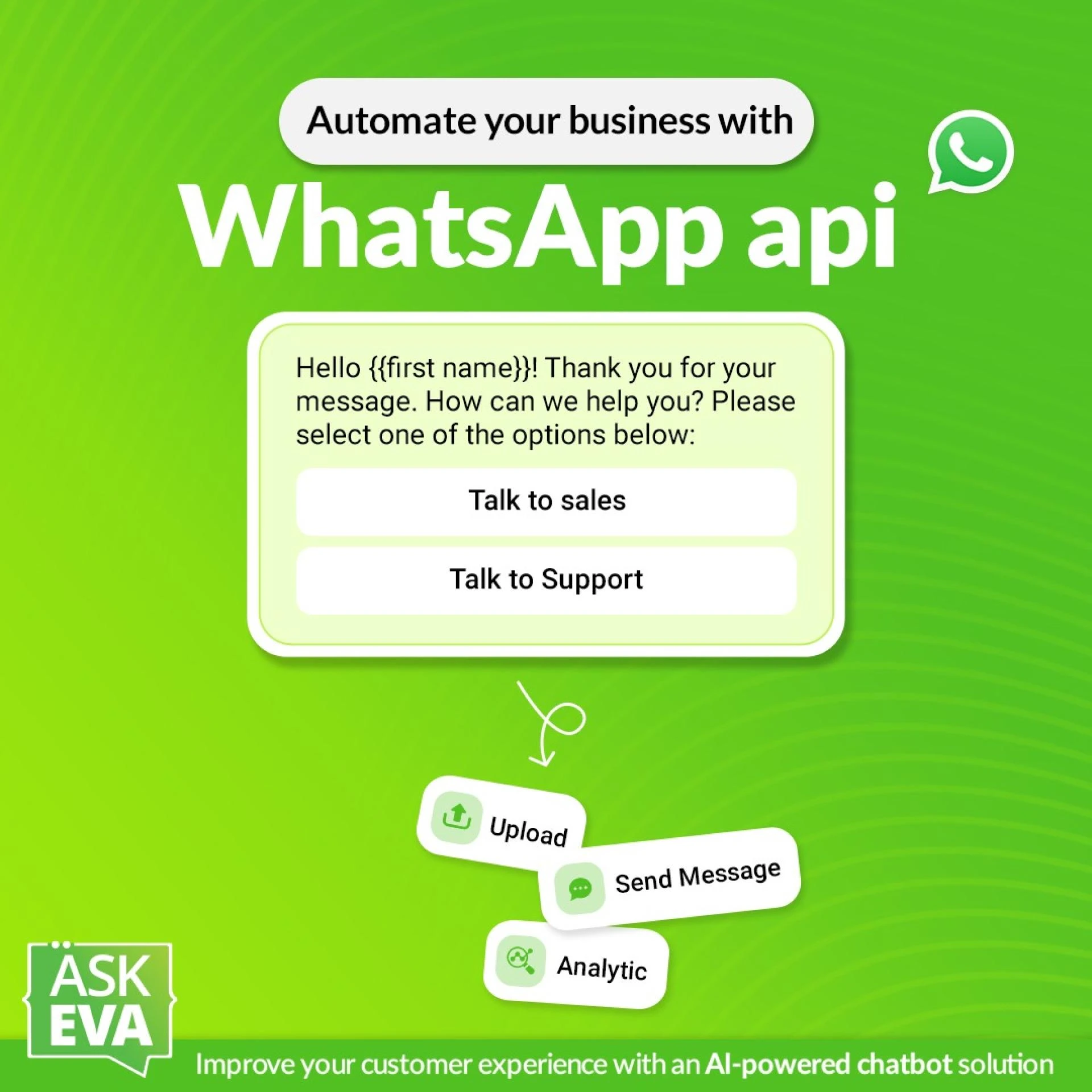
Quick reply buttons guide users during conversations. Customers choose options easily.
Track Chatbot Performance
Businesses must monitor chatbot performance. Response time, engagement rate, and query resolution show how well the chatbot works.
Regular monitoring helps improve automation strategies.
Measuring Chatbot Automation Success
Businesses need clear metrics to evaluate chatbot performance.
Important metrics include:
- response speed
- conversation engagement
- issue resolution rate
- conversion rate
- customer satisfaction
A strong Whatsapp Chatbot solves many routine questions and keeps customers happy with quick responses.
Businesses refine their automation strategies by studying these results.
Conclusion
Messaging plays a major role in customer communication. Businesses must respond quickly and clearly.
A well-designed Whatsapp Chatbot helps companies manage conversations efficiently. Automation strategies improve customer service and marketing communication.
Trigger responses, automated notifications, AI conversations, human support integration, and campaign messaging create strong chatbot systems.
Businesses that adopt these strategies build better relationships with customers.
Companies like Askeva help businesses implement these solutions and create powerful WhatsApp automation systems for long-term growth.
FAQ
Q1. What is a Whatsapp Chatbot?
A Whatsapp Chatbot is a software system that communicates with customers on WhatsApp. It answers questions and sends information automatically.
Q2. How does a WhatsApp chatbot help businesses?
A chatbot responds instantly to customer messages. It handles repetitive questions and reduces workload for support teams.
Q3. Can a WhatsApp chatbot support marketing activities?
Yes. Businesses use chatbots to send promotions, announcements, and updates to customers who agree to receive messages.
Q4. Do chatbots replace human agents?
No. Chatbots manage routine conversations. Human agents handle complex issues.
Q5. Can small businesses use WhatsApp chatbots?
Yes. Small businesses use chatbots to manage customer communication and improve response speed without large support teams.