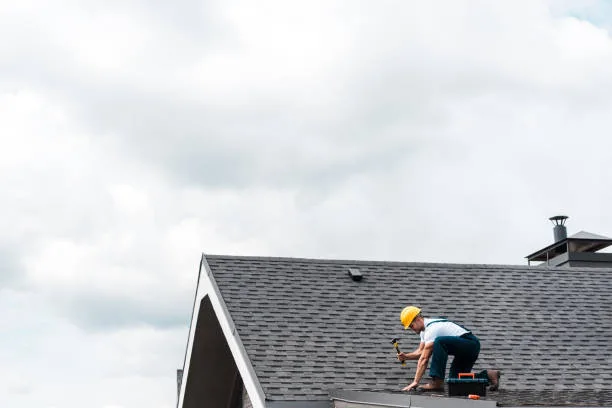
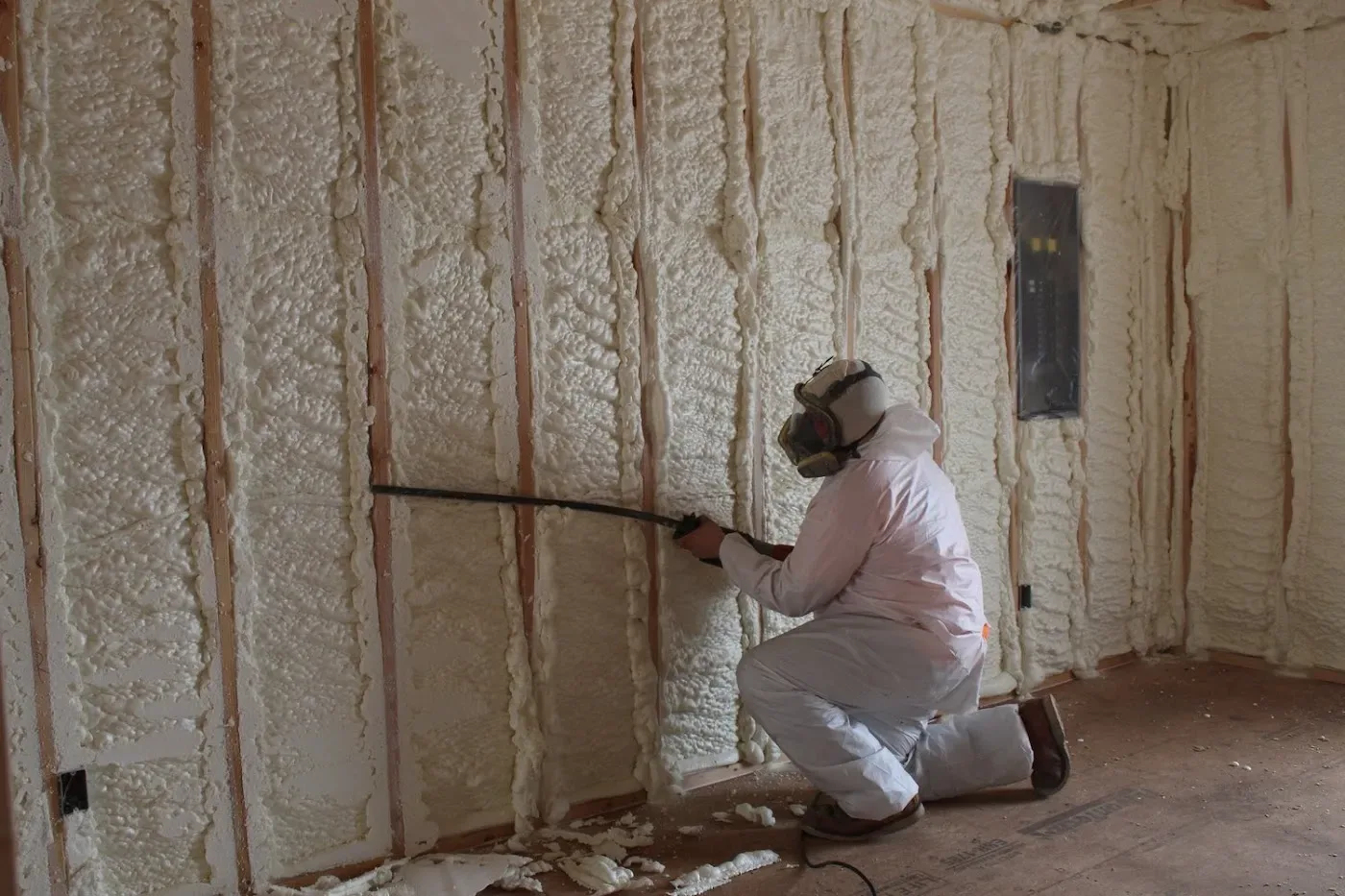
Proper home insulation solutions in Georgetown, TX, provide immediate relief from extreme heat while significantly lowering monthly utility costs. By creating a thermal barrier, these upgrades prevent outdoor temperatures from infiltrating the living space and reduce the workload on air conditioning systems. This article explains the technical advantages, financial returns, and comfort improvements that result from upgrading attic or wall insulation.
Experienced industry professionals recognize that the Texas climate presents specific challenges for residential structures. High humidity and intense solar radiation can quickly degrade building materials if they are not protected. Understanding the mechanics of heat transfer is essential for selecting the right materials to keep a home efficient and durable over several decades.

Why Georgetown homeowners need high-quality insulation
The local climate in Central Texas is known for long, blistering summers where temperatures frequently exceed triple digits. Without adequate protection, an attic acts like a giant radiator, pushing heat down into bedrooms and living areas. This thermal pressure forces HVAC systems to run almost constantly, which leads to premature equipment failure and skyrocketing energy bills.
Investing in modern home insulation solutions helps mitigate these issues by slowing the rate of heat conduction through the roof and walls. When a home is sealed correctly, it maintains a stable interior climate regardless of the weather outside. This stability is not just about comfort; it helps protect the structural integrity of the house from heat-related expansion and contraction.
- The upgrades reduce the strain on expensive cooling equipment.
- The barrier prevents the attic from becoming a heat reservoir.
- Households maintain more consistent temperatures across different floors.
- High-efficiency systems lower the carbon footprint of the household.
Bonus Tip: A significant temperature difference between the second floor and the ground floor often indicates that current materials have settled or are insufficient for the local heat index.
5 ways home insulation services improve your daily life
Engaging with professional home insulation services offers more than just lower bills. Many people do not realize that insulation also serves as a high-quality sound barrier. For those living near busy roads or in developing neighborhoods, adding mineral wool or spray foam can drastically quiet the interior of a home by absorbing external noise.
Furthermore, proper sealing and insulation improve indoor air quality. By closing gaps where dust, pollen, and pests might enter, these services create a cleaner environment for the family. This is particularly beneficial in Georgetown, where seasonal allergies can be a major concern for many residents.
- Residents experience improved acoustic privacy from outside noise.
- Proper sealing leads to a reduced presence of allergens and outdoor pollutants.
- Integrated systems provide better moisture control to prevent mold growth.
- Mineral wool provides better fire resistance in residential structures.
- Energy efficiency ratings often lead to increased property resale value.
What to look for in a residential insulation contractor
Choosing a residential insulation contractor requires looking at their specific experience with Texas building codes and climate needs. A reputable provider will perform a thorough assessment of an existing setup before suggesting a specific material. They should explain the differences between R-values and how different products react to humidity.
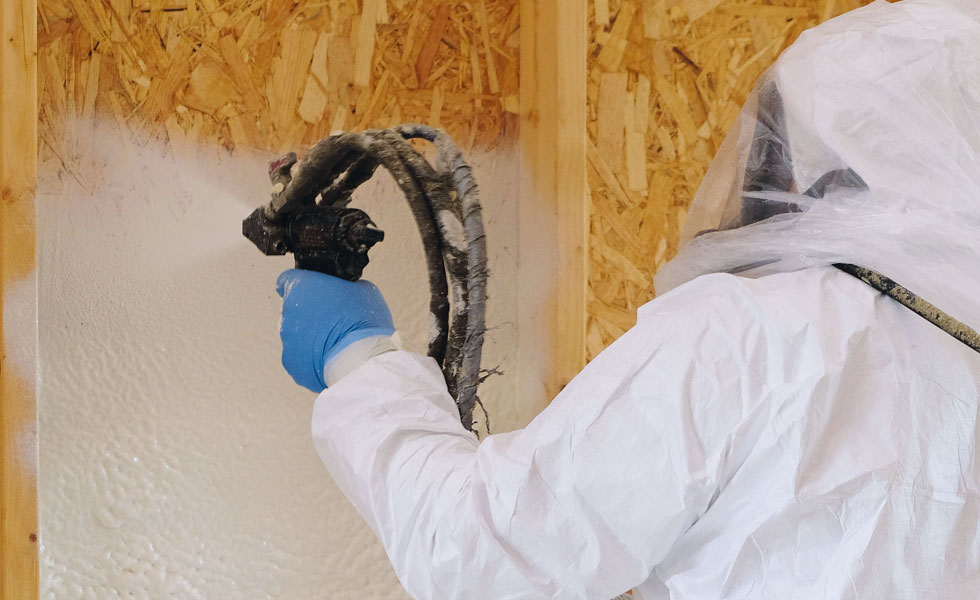
Homeowners should ask potential providers about their installation techniques. For instance, if they are installing spray foam, they must manage ventilation properly during the process. A reliable team will also ensure that they do not block soffit vents if they are using a traditional vented attic system.
- Verified local references and project history.
- Clear explanations of R-value requirements for Zone 3 climates.
- Insurance and licensing documentation for residential work.
- Detailed quotes that break down material and labor costs.
- Knowledge of local utility rebates for energy efficiency.
Technical comparison of common insulation materials
Different materials offer various levels of thermal resistance and moisture management. The following table provides a comparison of options often recommended by home insulation installers in the region.
Material TypeAverage R-Value per InchLifespanBest Use CaseOpen-Cell Spray Foam3.5 to 3.880+ YearsAttic roof decks and interior wallsClosed-Cell Spray Foam6.0 to 7.080+ YearsStructural reinforcement and moisture barriersMineral Wool3.0 to 3.350+ YearsSoundproofing and high fire-risk areasBlown-in Fiberglass2.2 to 2.920 to 30 YearsBudget-friendly attic floor coverageCellulose3.2 to 3.820 to 30 YearsRetrofitting existing finished walls
How do proper home insulation solutions affect your finances?
The financial impact of upgrading a home is measurable and often immediate. Data from the Environmental Protection Agency suggests that homeowners can save an average of 15% on heating and cooling costs by air sealing and adding insulation in crawl spaces and attics. In a state like Texas, where cooling costs dominate the budget, these savings can be even higher during peak summer months.
Beyond monthly savings, high-efficiency home insulation solutions protect long-term investments. HVAC systems are expensive to replace, and by reducing their runtime, homeowners extend the life of their furnace and air conditioner. This preventive approach saves thousands of dollars in mechanical repairs over the life of the home.
- Lower monthly electricity and gas expenditures are common.
- Proper insulation leads to an extended lifespan for air conditioning compressors.
- Property owners may gain eligibility for federal tax credits.
- The upgrades contribute to higher appraisal values when selling the property.
Bonus Tip: Always ask a contractor for a post-installation inspection. Many local utility companies offer free or discounted energy audits to verify that the new insulation meets expected performance standards.

3 steps to evaluate your current home efficiency
Before calling for professional help, homeowners can perform a basic check. They should start by looking at the attic floor. If the insulation is level with or below the floor joists, it is likely insufficient. Most modern standards for the Georgetown area recommend an R-value of at least R-38, which usually means about 12 to 15 inches of material.
Next, it is helpful to check for drafts around windows, doors, and electrical outlets. These small leaks allow conditioned air to escape, making even the best insulation less effective. Finally, reviewing energy bills from the last three years can reveal issues. If there is a steady increase in usage that does not match rate hikes, the insulation may be settling or failing.
- Measure the depth of current attic materials.
- Identify visible gaps in the building envelope.
- Analyze seasonal spikes in energy consumption.
What to expect from professional home insulation installers
When hiring home insulation installers, the process typically begins with a site preparation phase. They will protect floors and furniture with plastic sheeting or drop cloths. If they are removing old, contaminated insulation, they use high-powered vacuums to ensure all debris and allergens are safely extracted from the home.
The installation of new home insulation solutions is usually completed within one to two days, depending on the size of the house. Professionals use specialized equipment to ensure even coverage, especially in hard-to-reach corners or around wiring and plumbing. Once the job is done, they should provide a certificate of completion that notes the type of material used and the final R-value achieved.
Things to consider before choosing an insulation type
Property owners must think about their long-term goals before selecting a material. If they plan on staying in the home for decades, a permanent solution like spray foam might offer the best return on investment despite a higher upfront cost. If the goal is a quick fix for a rental property, blown-in fiberglass might be more appropriate.
Humidity levels in specific areas should also be considered. Some materials handle moisture better than others. For example, closed-cell spray foam acts as a vapor barrier, which can be highly effective in the humid Texas climate to prevent wood rot in the attic.
- Consider the length of time you plan to own the property.
- Check for specific moisture issues in the crawl space or attic.
- Review local noise levels that might require acoustic-rated materials.
- Evaluate existing attic ventilation systems.
- Compare budget constraints against long-term energy savings.
Summary of long term benefits for Texas residents
Updating the thermal envelope of a house is one of the most effective ways to improve daily comfort and financial stability. By choosing the right materials and working with experienced professionals, homeowners ensure their property remains a sanctuary against the Texas heat. These improvements pay for themselves over time through reduced energy waste and lower maintenance costs for cooling equipment.
Homeowners should evaluate their current insulation levels and consider the age of their house. Taking action now prevents structural issues later and provides a more peaceful, quiet, and affordable living environment. Prioritizing efficiency is a smart move for anyone looking to protect their family and their finances.
Contact an expert for professional home insulation solutions
If you are ready to improve home comfort and lower energy costs, reaching out to a specialist is the best next step. Spray Foam Tech provides a wide range of services including residential spray foam, mineral wool insulation, and professional insulation removal. Their team understands the specific needs of Georgetown properties and can help you choose the right materials for your budget. You can request a free quote to see how these upgrades will benefit your specific house. To learn more about their services or to schedule an assessment, contact them at (737) 777-9590 or send an email to [email protected].
Common questions about residential insulation
How do I know if my home needs more insulation?
If energy bills are rising, the HVAC runs constantly, or different rooms have different temperatures, the insulation is likely insufficient or old.
Is spray foam better than traditional fiberglass?
Spray foam provides a superior air seal and higher R-value per inch, though it has a higher initial cost than fiberglass batts or blown-in options.
Can new insulation help with seasonal allergies?
Yes, by sealing the gaps where outdoor pollen and dust enter the home, high-quality insulation and air sealing significantly improve indoor air quality.
How long does the installation process take?
Most residential projects are completed in one to two days, including the removal of old materials and the installation of the new system.
Does insulation protect against moisture and mold?
Certain types, like closed-cell spray foam, act as a moisture barrier that prevents humid air from condensing on cold surfaces and causing mold growth.