
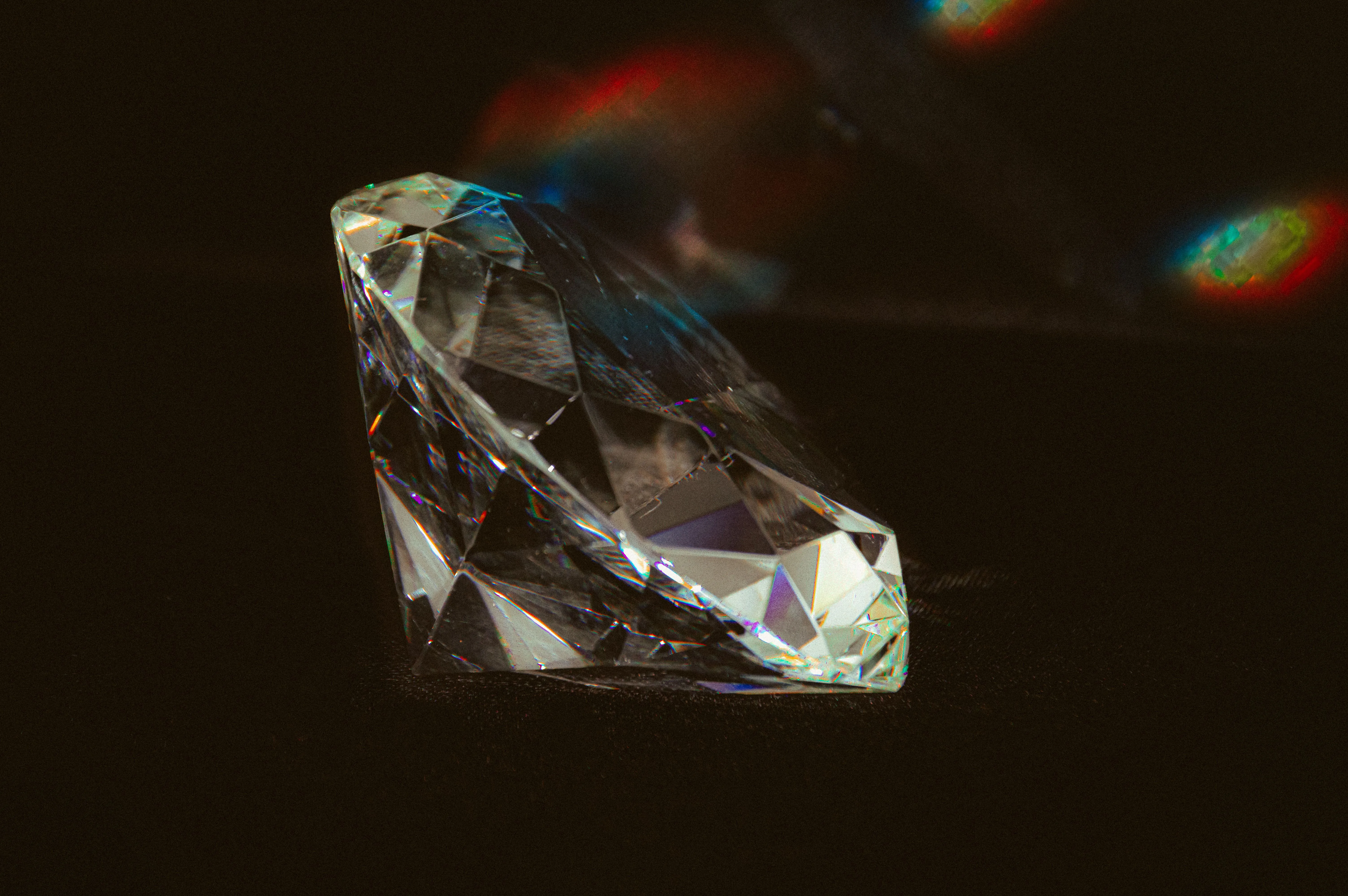
Diamonds are available in many forms, but not every diamond is sold as part of a finished piece of jewelry. If you have ever wondered what are loose diamonds, they are individual diamonds that have not yet been set into a ring, necklace, earrings, or another jewelry item. Buying a loose diamond gives you the flexibility to choose a stone first and then select a setting that matches your style, budget, and preferences.
Loose diamonds are popular among people designing engagement rings, customizing fine jewelry, or comparing diamond quality before making a purchase. They are available in different shapes, sizes, colors, clarity grades, and origins, including natural and lab-grown options.
Understanding how loose diamonds are graded, priced, and selected can help you make a more informed buying decision. Whether you are shopping for a proposal or planning a personalized jewelry design, knowing the basics will make it easier to identify a diamond that meets your expectations.
What Are Loose Diamonds?
Loose diamonds are individual, cut and polished diamonds that are sold separately rather than already mounted in jewelry. They can be examined, compared, and selected before being placed into a setting.
For example, if you want an oval diamond engagement ring, you can purchase an oval loose diamond and pair it with a solitaire, halo, or hidden-halo setting. This approach allows you to make separate decisions about the diamond and the ring's design.
Loose diamonds are available through online diamond retailers, jewelry stores, and specialized diamond dealers. Depending on the seller, you may find certified diamonds, detailed product specifications, photographs, videos, and other information to help you evaluate your options.
Why Do People Buy Loose Diamonds?
Buying a diamond separately offers several advantages, particularly for shoppers who want greater control over their jewelry.
Customize Your Jewelry Design
One of the main benefits of buying a loose diamond is the freedom to choose a setting independently. You can select the metal, design, prong style, and overall appearance after finding a diamond you like.
This flexibility is especially useful when creating an engagement ring that reflects a partner's preferences. You can compare different settings without limiting your diamond choices to the stones already available in finished rings.
Compare Diamond Quality More Easily
When a diamond is loose, you can focus on its individual characteristics before considering the finished jewelry. You can compare cut, color, clarity, carat weight, measurements, and grading information across multiple stones.
This makes it easier to understand why diamonds with similar weights may have different prices. It also helps you prioritize the characteristics that matter most instead of choosing a diamond based only on its appearance in a particular setting.
Explore Different Budgets
Loose diamonds are available at a wide range of price points. The cost depends on several factors, including the diamond's origin, shape, carat weight, cut quality, color, clarity, and market conditions.
By selecting the diamond separately, you can allocate your budget between the stone and the setting. For instance, you might prioritize an excellent-looking diamond and choose a simpler setting, or select a more elaborate setting with a diamond that meets your essential requirements.
What Factors Determine Loose Diamond Quality?
Before purchasing a loose diamond, understand the main characteristics that influence its appearance and value.
1. Cut
Cut affects how a diamond handles light, influencing its brightness, fire, and scintillation. A well-cut diamond can appear lively and brilliant, while a poorly proportioned stone may look less attractive.
When comparing round brilliant diamonds, review the available cut grade and supporting details. For fancy shapes such as oval, pear, and emerald, examine proportions, symmetry, and visual appearance because grading approaches can vary by shape.
2. Color
For diamonds graded on the GIA D-to-Z scale, D represents colorlessness, while lower grades show increasing color. The visual importance of color depends partly on the diamond's shape, size, setting, and viewing conditions.
A higher color grade may increase the price, but it is not automatically the best choice for every buyer. Compare similar diamonds to determine which option provides the appearance you prefer within your budget.
3. Clarity
Clarity describes internal inclusions and external blemishes. The GIA clarity scale ranges from Flawless to Included, with different grades reflecting the nature, number, size, and visibility of clarity characteristics.
Some diamonds with lower clarity grades may appear clean to the naked eye, while others have inclusions that are easier to notice. Review available images, videos, and grading reports before deciding whether a particular diamond meets your expectations.
4. Carat Weight
Carat measures a diamond's weight, not its exact visual size. Two diamonds with the same carat weight can have different face-up dimensions because their shapes and proportions differ.
Consider measurements alongside carat weight when comparing loose diamonds. This is particularly helpful for oval, pear, and elongated shapes, where length-to-width proportions can significantly influence the overall appearance.
5. Certification
A diamond grading report provides information about a stone's characteristics as assessed by a gemological laboratory. Before buying, review the issuing laboratory and verify the report details where verification is available.
Remember that a grading report is not the same as a warranty or an appraisal of resale value. Confirm that the report corresponds to the diamond being sold and review the seller's return policy before completing your purchase.
Natural vs Lab-Grown Loose Diamonds
Loose diamonds are available in both natural and lab-grown forms. They share essentially the same fundamental chemical composition and crystal structure, but they differ in origin and are generally priced differently.
Natural loose diamonds form through geological processes over long periods. Buyers may prefer them because they specifically want a diamond formed naturally.
Lab-grown loose diamonds are produced using specialized technology. They can offer an alternative for buyers who want a diamond with the same fundamental material properties but prefer a laboratory-grown origin.
When comparing these options, consider:
- Price: Lab-grown diamonds generally cost less than comparable natural diamonds, although prices vary with specifications and market conditions.
- Origin: Confirm whether the diamond is natural or laboratory-grown.
- Grading: Review the grading report and check that it identifies the diamond correctly.
- Personal preference: Decide which characteristics matter most, including appearance, origin, and budget.
Neither option should be evaluated by price alone. Compare diamonds within the same category first, then decide which type best fits your needs.
How to Choose the Right Loose Diamond
Finding the right diamond becomes easier when you follow a structured buying process.
Step 1. Set a Realistic Budget
Decide how much you want to spend on the diamond and the complete piece of jewelry. Remember to account for the setting, taxes, shipping, and any additional costs that may apply.
Step 2. Choose Your Preferred Shape
Consider whether you prefer round, oval, princess, pear, cushion, emerald, or another shape. Each has a distinctive appearance and may require a different setting design.
Step 3. Compare the Four Cs
Review cut, color, clarity, and carat weight together rather than prioritizing just one characteristic. Adjust your preferences to see how changes affect the available options and prices.
Step 4. Review Images and Documentation
Look at high-quality photographs and videos whenever available. Check the diamond's measurements, grading report, and any additional information that helps you understand its appearance.
Step 5. Check the Seller's Policies
Before purchasing, review the seller's reputation, return window, warranty, shipping terms, and payment security. Confirm how the loose diamond will be packaged and whether setting services are available if you need them.
DiamondHedge can be explored as a resource for researching loose diamonds and learning about diamond selection. Compare individual stones carefully and verify their specifications before making a final decision.
Are Loose Diamonds Better Than Diamonds in Finished Jewelry?
Neither option is automatically better. The right choice depends on whether you value customization, convenience, or the ability to evaluate a diamond independently.
Buying a loose diamond is useful when you want to design your own ring or compare stones before choosing a setting. Purchasing finished jewelry may be more convenient if you prefer a ready-made design and want the diamond and setting selected together.
Consider these differences:
- Loose diamonds: Offer greater flexibility in choosing the stone and setting separately.
- Finished jewelry: Provides a complete design that is ready to wear, subject to any required sizing or adjustments.
- Budget planning: Loose diamonds let you allocate spending between the stone and setting, while finished jewelry is often priced as a complete piece.
Compare the total cost, quality information, and available policies before choosing either option.
Conclusion
Understanding what loose diamonds are can help you make better decisions when shopping for engagement rings or customized jewelry. These individual diamonds allow you to compare quality, explore different shapes, and choose a setting that suits your personal style.
Before buying, evaluate cut, color, clarity, carat weight, and certification. Compare similar diamonds, establish a realistic budget, and review the seller's policies carefully. With the right research, you can choose a loose diamond that balances appearance, quality, and price while supporting the jewelry design you have in mind.
Frequently Asked Questions
1. What are loose diamonds used for?
Loose diamonds are used to create engagement rings, wedding jewelry, earrings, necklaces, pendants, and other custom-designed pieces. They can also be purchased separately by collectors and buyers researching diamond options.
2. Are loose diamonds real diamonds?
Yes. Loose diamonds can be natural or lab-grown. Their status as loose diamonds simply means they have not been mounted in a jewelry setting.
3. Are loose diamonds cheaper than finished diamond jewelry?
The total cost depends on the diamond's specifications, the setting, craftsmanship, and seller pricing. Buying a loose diamond may provide more control over your budget, but it does not guarantee a lower total cost.
4. Should I buy a certified loose diamond?
A grading report from a recognized gemological laboratory can provide useful information about a diamond's characteristics. Verify the report details and make sure they match the stone you intend to purchase.
5. Can I buy a loose diamond and choose a ring setting later?
Yes. Many jewelers offer setting services for separately purchased diamonds. Check whether your chosen jeweler accepts outside stones, what the setting costs, and whether any additional conditions apply.