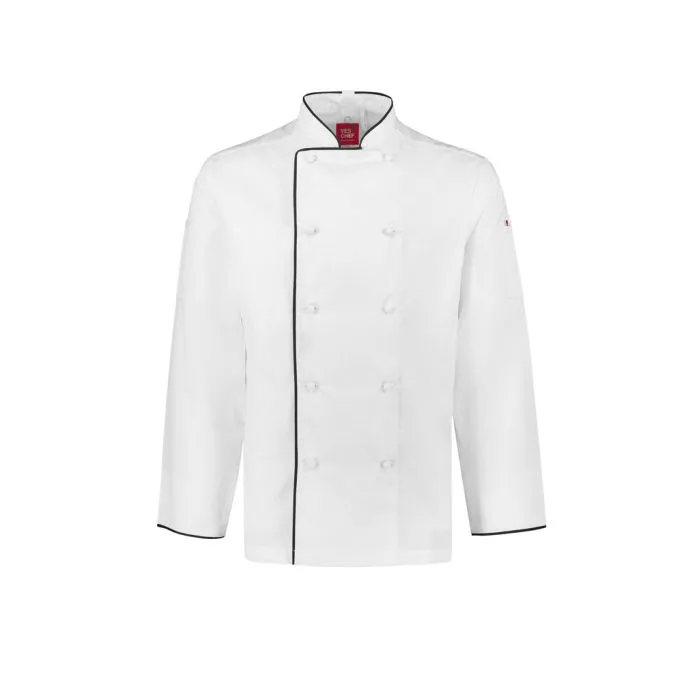
Hospitality uniforms are a fundamental part of the service industry, covering hotels, restaurants, cafés, catering services, bars, resorts, and event venues. More than just clothing, they are a functional and strategic tool that supports hygiene, safety, branding, and customer experience.
In an industry where first impressions matter and service quality defines reputation, hospitality uniforms help businesses present a consistent, professional, and trustworthy image. They also ensure staff can perform their duties safely and efficiently in fast-paced environments.
What Are Hospitality Uniforms?
Hospitality uniforms refer to the standardised clothing worn by employees working in customer-facing and operational roles within the hospitality industry.
These uniforms are designed specifically for different job functions, such as:
- Front-of-house staff (receptionists, concierge, waiters, bar staff)
- Back-of-house staff (chefs, kitchen hands, cleaners, stewards)
- Housekeeping and maintenance staff
- Event and catering staff
Unlike casual clothing, hospitality uniforms are purpose-built to balance professionalism, comfort, durability, and hygiene requirements.
They typically include:
- Shirts, blouses, or polo tops
- Chef jackets and kitchen wear
- Aprons and protective garments
- Trousers or skirts designed for mobility
- Headwear such as caps or hats
- Non-slip footwear (in many roles)
Each uniform is carefully designed based on the demands of the role and the environment in which staff operate.
The Role of Hospitality Uniforms in the Service Industry
Hospitality uniforms serve multiple functions beyond appearance. They directly impact how a business operates, how customers perceive it, and how employees perform their duties.
In modern hospitality settings, uniforms are considered part of operational infrastructure—not just dress code.
1. Creating a Professional First Impression
First impressions in hospitality happen within seconds. Whether a guest walks into a hotel lobby or a restaurant, the appearance of staff plays a major role in shaping perception.
Well-designed uniforms:
- Communicate professionalism and organisation
- Reflect the brand’s quality standards
- Build immediate customer trust
- Enhance the overall guest experience
A clean, coordinated team signals that the business values attention to detail, which often translates into expectations of high-quality service and food.
2. Strengthening Brand Identity
Hospitality is a highly competitive industry, and branding plays a critical role in differentiation. Uniforms are one of the most visible branding tools a business has.
Through colour schemes, logos, and design consistency, uniforms help:
- Reinforce brand identity across all staff roles
- Create visual recognition for customers
- Differentiate premium venues from casual establishments
- Support marketing consistency across physical and digital spaces
Luxury hotels, for example, often design custom uniforms that align with their interior design, architecture, and brand story. This creates a seamless guest experience from arrival to departure.
3. Improving Hygiene and Food Safety
Hygiene is critical in hospitality, especially in food preparation and handling environments. Uniforms act as a protective barrier that reduces the risk of contamination.
Key hygiene benefits include:
- Preventing external contaminants from reaching food
- Reducing cross-contamination risks
- Supporting compliance with food safety regulations
- Encouraging clean workplace habits
Chef uniforms, in particular, are designed to meet strict hygiene expectations, including breathable fabrics, long sleeves, and protective aprons. Head coverings also help prevent hair contamination in food preparation areas.
4. Enhancing Staff Safety
Hospitality environments can be hazardous, especially in commercial kitchens, bars, and large-scale catering operations. Staff are exposed to hot surfaces, sharp tools, spills, and long working hours.
Uniforms help reduce risks by:
- Using heat-resistant and durable fabrics
- Providing coverage against spills and burns
- Including non-slip footwear for wet or greasy floors
- Offering ergonomic designs for long shifts
Safety-focused uniforms are especially important in high-volume kitchens and industrial catering environments where accidents can occur quickly under pressure.
5. Supporting Staff Comfort and Productivity
Comfort is a key factor in staff performance. Hospitality employees often work long shifts in physically demanding conditions, making uniform design extremely important.
Modern hospitality uniforms are designed to:
- Allow freedom of movement
- Regulate body temperature in hot environments
- Reduce fatigue during long shifts
- Use breathable, lightweight fabrics
When staff are comfortable, they are more focused, efficient, and capable of delivering better customer service. Poorly designed uniforms can negatively impact morale and productivity.
6. Encouraging Team Identity and Equality
Uniforms help create a sense of unity within hospitality teams. By standardising appearance, they reduce visible differences in background, status, or personal style, promoting equality in the workplace.
This fosters:
- Stronger team cohesion
- Better communication between staff roles
- A shared sense of responsibility
- Improved workplace discipline
Uniforms also make it easier for customers to identify staff, improving communication and service efficiency.
7. Improving Operational Efficiency
In busy hospitality environments, efficiency is essential. Uniforms contribute to smoother operations by ensuring staff are easily identifiable and appropriately equipped for their roles.
For example:
- Aprons can carry essential tools
- Pocket designs improve accessibility
- Role-specific colours help distinguish departments
- Standard attire reduces decision fatigue for staff
These small but important design features help improve workflow and reduce delays during peak service periods.
8. Meeting Industry Standards and Compliance
Many hospitality businesses must comply with workplace safety and food hygiene regulations. While specific uniform laws may vary, proper attire is strongly recommended or required under occupational health and safety frameworks.
Uniform policies help businesses:
- Meet hygiene inspection standards
- Reduce workplace injury risks
- Maintain consistent safety procedures
- Pass regulatory audits more easily
In Australia and other regulated markets, uniform compliance is often part of broader food safety certification requirements.
9. Enhancing Customer Experience
Customer experience is at the heart of hospitality. Uniforms contribute to this by improving clarity, trust, and service interaction.
When customers can easily identify staff, it:
- Reduces confusion in busy venues
- Improves service response times
- Enhances accessibility and communication
- Builds confidence in the service environment
A well-presented team also enhances the perceived value of the service, encouraging repeat business and positive reviews.
Conclusion
Hospitality uniforms are far more than a dress code—they are a vital part of how service businesses operate, communicate, and present themselves.
From improving hygiene and safety to strengthening brand identity and enhancing customer experience, uniforms play a multi-functional role in the success of any hospitality business.
In a competitive industry where presentation, efficiency, and trust matter, investing in high-quality hospitality uniforms is not just a staffing decision—it is a strategic business decision that directly impacts performance and reputation.
Ultimately, the right uniform helps hospitality teams look professional, feel confident, and deliver exceptional service every day.