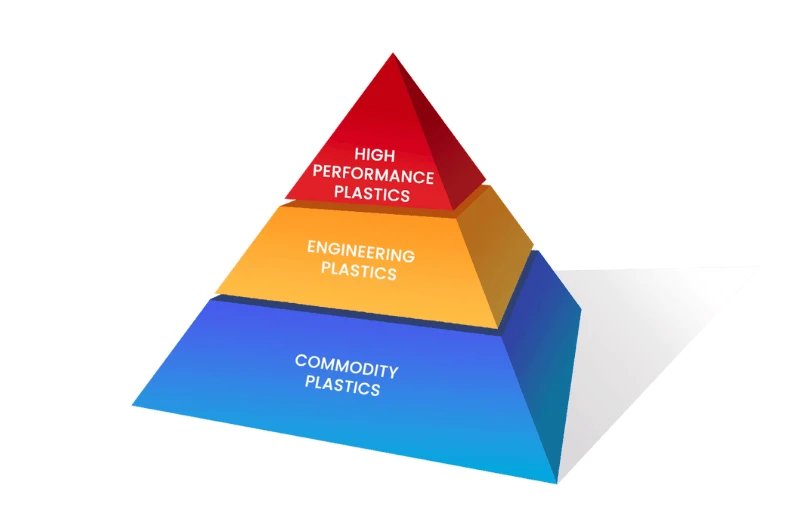
In today’s fast-paced world of advanced technology and innovation, materials need to keep up with extreme demands. Whether it's in the engine of a jet, the inner workings of a medical implant, or the casing of a smartphone, ordinary plastics just won't cut it. That’s where High Performance Polymers come in - the superheroes of the polymer world.
What Exactly are High Performance Polymers?
High Performance Polymers are a class of engineered thermoplastics known for their exceptional mechanical, thermal, and chemical properties. Unlike conventional plastics (like polyethylene or polystyrene), HPPs can withstand extreme temperatures, aggressive chemicals, and high stress environments - all while maintaining their structural integrity.
These materials are designed for use in demanding industries like aerospace, automotive, electronics, medical devices, and even space exploration.
Key Characteristics of High-Performance Polymers
Here’s what makes HPPs stand out from the crowd:
- High Thermal Stability: Many HPPs can operate continuously at temperatures above 150°C and tolerate spikes well over 300°C.
- Chemical Resistance: They resist degradation from solvents, fuels, acids, and bases, making them ideal for harsh environments.
- Mechanical Strength: Despite being lightweight, HPPs offer excellent strength, stiffness, and impact resistance.
- Wear and Friction Resistance: They perform exceptionally well in dynamic applications like gears, bearings, and seals.
- Dimensional Stability: These polymers maintain their shape under stress and over a wide range of temperatures.
- Biocompatibility (in some cases): Suitable for medical and healthcare applications, especially in long-term implants.
Common Types of High-Performance Polymers
Some of the most widely used HPPs include:
- PEEK (Polyether ether ketone): Known for its strength and thermal stability, PEEK is popular in aerospace and medical implants.
- PPS (Polyphenylene sulfide): Offers high chemical resistance and is commonly used in automotive parts.
- LCP (Liquid Crystal Polymer): Ideal for microelectronics due to its excellent dimensional stability and thin-wall flow capabilities.
- PI (Polyimide): Used in electronics and space applications due to its exceptional heat resistance.
- PTFE (Polytetrafluoroethylene): Best known by the brand name Teflon, used for non-stick coatings and chemical-resistant seals.
Applications Across Industries
High Performance Polymers are used wherever failure is not an option:
- Aerospace: Turbine components, insulation, and structural elements.
- Automotive: Under-the-hood components, fuel systems, and high-wear parts.
- Electronics: Connectors, insulating films, and precision molded components.
- Medical: Surgical tools, implants, and device housings.
- Oil & Gas: Seals, gaskets, and parts exposed to corrosive fluids and extreme pressure.
The Future of High-Performance Polymers
As industries continue to push the boundaries of performance and miniaturization, the demand for advanced materials like High Performance Polymers is only going to grow. Research is also being directed toward sustainable and recyclable HPPs, combining high function with environmental responsibility.
Conclusion
High Performance Polymers are more than just "better plastics" — they’re the materials that make modern innovation possible. From life-saving medical devices to interplanetary spacecraft, these advanced polymers help engineers and scientists solve some of the world’s toughest challenges.
Whether you’re an engineer, designer, or just a curious mind, understanding HPPs is a step into the fascinating world of materials that are shaping the future.