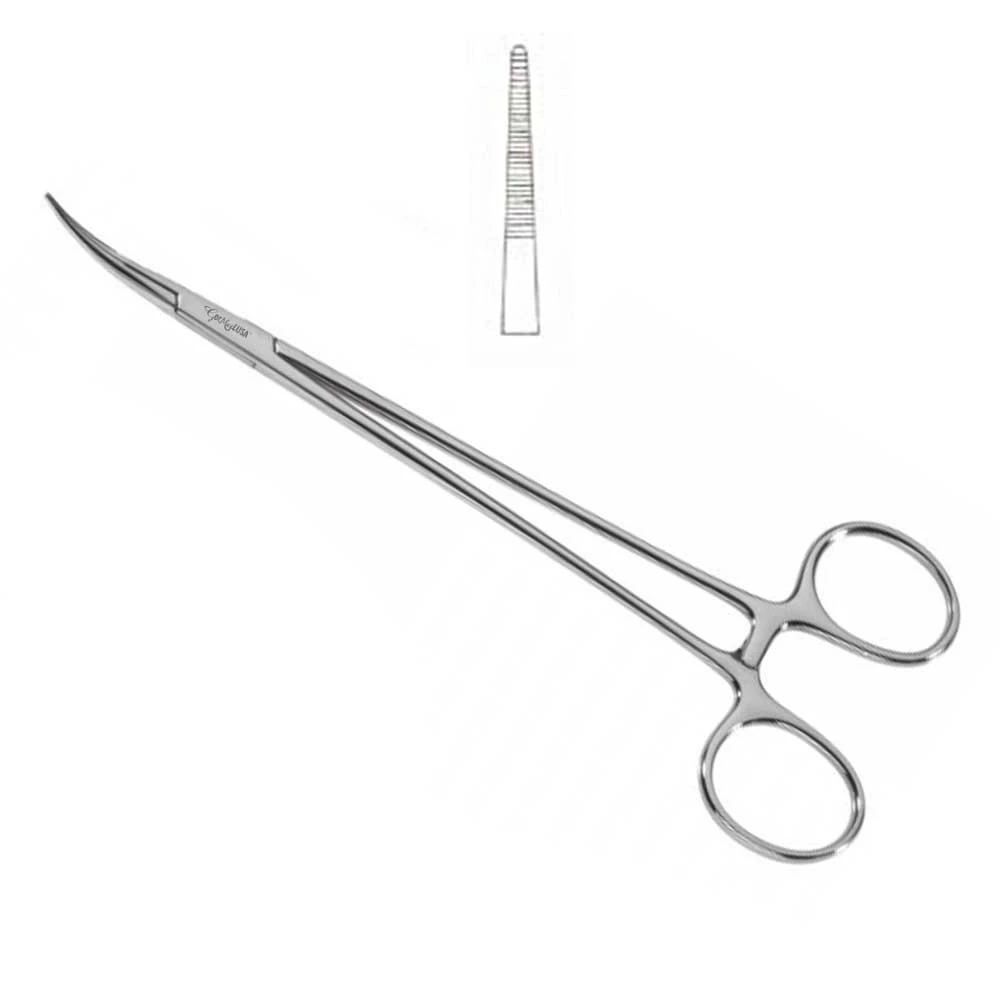
Hemostatic forceps are surgical tools designed to control bleeding by clamping blood vessels. Surgeons rely on them to maintain a clean operative field and prevent excessive blood loss.
When it comes to procedures, a quick way to access a good Hemostat Instrument can mean all the difference between a successful surgery and a failed one. These instruments are known to be precise, tough, and easy to manipulate.
Knowing its purpose will help you to understand and appreciate the different types available for different surgical applications.
How Do Hemostatic Forceps Differ From Other Surgical Tools?
While many tools assist in surgery, General Operating Forceps and Hemostat Instruments serve distinct purposes. Hemostatic forceps specifically clamp vessels or tissues to control bleeding.
Although some forceps are gentle on tissue or are designed for suturing, the hemostats have a locking system unlike any other type of forcep. They are somehow able to maintain the grip without the need for the surgeon to constantly apply tension, which is efficient and reduces fatigue.
Now that we understand how they work, let’s look at the types that surgeons commonly use.
What Are the Common Types of Hemostat Instruments?
There are different types of Hemostat Forceps, employed for different purposes. Here are some of the commonly used Hemostat instruments:
1: Adson Hemostatic Forceps
Adson Hemostatic Forceps are precision surgical instruments used to control bleeding and manipulate tissue. They are suitable for various medical procedures. Made from high-grade stainless steel, these forceps are durable and reliable.
Here are the key features of Adson Hemostatic Forceps:
- Secure tissue and vessel grip
- Built‑in locking mechanism
- Ergonomic and comfortable handling
2: Phaneuf Uterine Artery Forceps
Phaneuf Uterine Artery Forceps are clamping forceps. They are used to clamp ruptured blood vessels. These forceps are especially useful during surgeries on women’s reproductive health.
Here are the key features of Phaneuf Uterine Artery Forceps:
- Seerated jaws
- Ergonomic handles
- Straight or curved blades
3: Artery and Undermining Forceps
Artery and Undermining Forceps are designed to hold blood vessels during cardiothoracic surgical procedures.
Here are the key features of Artery and Undermining Forceps:
- Designed for vessel control
- Durable surgical build
- Suitable for diverse procedures
4: Bainbridge Forceps Curved
Bainbridge Curved Forceps are high-quality, precision surgical instruments developed to clamp and manipulate tissue and blood vessels.
Here are the key features of the Bainbridge Forceps Curved:
- Ratcheted Locking Mechanism
- Ergonomic Finger-Ring Handles
- Stainless steel construction
5: Crile Hemostatic Forceps
Crile Hemostatic Forceps are essential for clamping tissues and blood vessels during laparotomies and many other surgical procedures.
Here are the key features of Crile Hemostatic Forceps:
- Durable and reliable
- Corrosion-resistant
- Sterilizable
Each type ensures precise control and safety during procedures. Surgeons often keep a set of General Operating Forceps alongside hemostats for different surgical needs. Selecting the right type is crucial, but quality and material also matter.
What Should You Look for When Choosing Hemostatic Forceps?
There are some factors that surgeons need to consider when choosing hemostatic instruments. Key factors include:
- Material: Stainless steel materials are preferred for their durability and the fact that they are easy to
- Grip: This serves to ensure that the handle is non-slip and safe to
- Size: Small, for small procedures; larger, for general surgery.
- Locking Mechanism: Ratcheting action prevents unintended unlocking.
Using the appropriate general operating forceps will provide precision and prevent injury. Quality hemostats will reduce complications and technical difficulties in surgery. In addition, it is necessary to be familiar with some basic methods to operate them properly.
How to Use Hemostatic Forceps Safely During Surgery?
Proper handling of hemostat instruments is simple but crucial. Always hold the instrument near the hinge. This gives you better stability and control.
Next, position the jaws carefully around the blood vessel. Ensure they grip securely without causing unnecessary damage. Gently lock the instrument using the ratchet mechanism. Only release it after the procedure is complete.
You can use general operating forceps at the same time. They assist with tissue retraction or suturing while the hemostat controls bleeding. Finally, using instruments correctly goes hand in hand with proper maintenance. Taking care of your instruments ensures they last longer and work reliably.
Wrap-Up: How to Maintain Your Hemostatic Forceps?
To ensure durability and safety:
- Clean thoroughly after each use to remove debris.
- Sterilize according to hospital protocols.
- Check the locking mechanism and alignment regularly.
- Store in protective cases to prevent damage.
Routine maintenance preserves the integrity of both hemostats and General Operating Forceps, making them reliable for years.
FAQs
Can hemostatic forceps be used in all types of surgeries?
Yes. Hemostatic forceps are versatile and used in many surgical procedures. The type and size should match the procedure, with smaller instruments suited for delicate surgeries.
Are hemostats reusable?
Most Hemostat Instruments can be used more than once. They need proper cleaning, sterilization, and storage to ensure safety and durability.
What is the difference between hemostatic forceps and General Operating Forceps?
Hemostatic forceps clamp blood vessels to control bleeding. General operating forceps manage tissue and help with suturing or retraction.
How do you choose the right hemostat for surgery?
Consider the size, shape, and surgical depth. Curved instruments work better for deep or hard-to-reach areas, while straight ones are ideal for surface vessels.