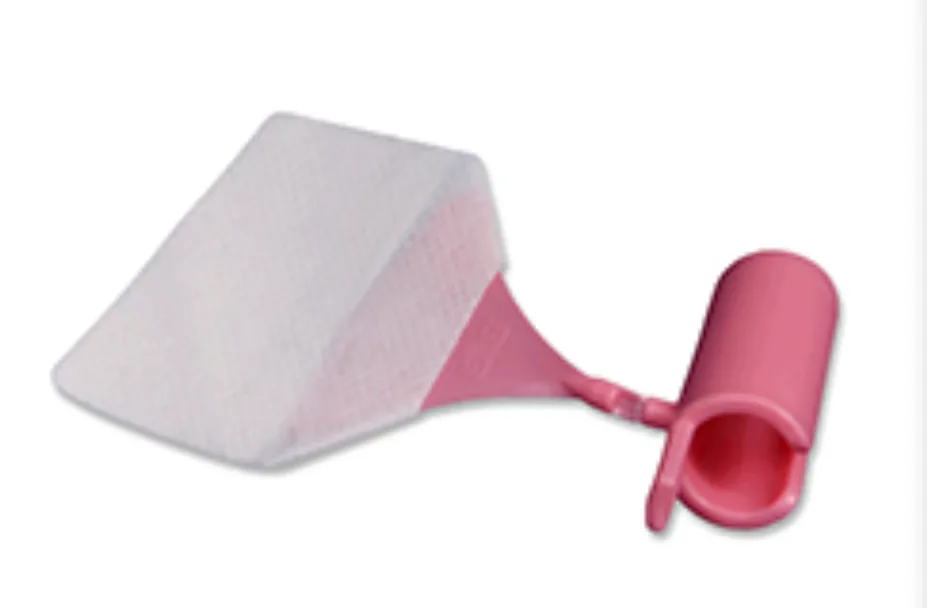
In both medical and dental settings, clinicians often need a simple way to protect tissue and maintain safe access when a patient cannot reliably control jaw closure. Jaw clenching can be a normal response to discomfort, anxiety, sedation, or neurologic irritation, and it can quickly create practical problems during care. Bite Blocks are used to help keep the mouth safely positioned, protect teeth and soft tissue, and support the procedure by reducing the risk of sudden biting or obstruction.
The main point is that these devices are protective tools, not generic spacers. A well-chosen bite block supports a specific goal, such as preventing damage to an endotracheal tube, protecting a dental instrument path, or reducing tongue and cheek trauma during involuntary biting. When clinicians understand the indication and the patient’s risk profile, Bite Blocks become a controlled safety step that reduces avoidable complications while keeping the workflow calm and predictable.
Why Bite Blocks Are Used in Medical Procedures
In medical care, bite blocks are often used when airway devices or oral access must be protected from biting forces. During anesthesia emergence, sedation, seizures, or agitation, jaw closure can be sudden and strong. That can damage teeth, injure the tongue or cheeks, and, in airway cases, can occlude or deform a tube that is needed to maintain ventilation. Bite Blocks provide a barrier that helps prevent full closure and reduces the chance that biting turns into an airway or tissue emergency.
They also support safer workflow during routine tasks such as oral suctioning and mouth care in high-dependency settings. When a patient is not fully cooperative, even a small involuntary bite can injure staff and interrupt care. With appropriate placement and monitoring, a bite block helps keep access consistent while clinicians continue to reassess comfort, sedation level, and oral tissue integrity.
Why Bite Blocks Matter in Dental and Imaging Workflows
In dental care, maintaining a stable jaw position supports both safety and precision. Dental procedures often require the mouth to remain open for extended periods, and patients can fatigue quickly, especially during longer restorative work. Bite Blocks help maintain opening without constant muscle strain, which can reduce jaw discomfort and allow clinicians to work with steadier visibility and instrument control.
In imaging workflows and certain diagnostic procedures, jaw stability can also affect accuracy and time. If the mouth closes repeatedly or the patient cannot maintain position, scans can be interrupted, and repositioning becomes more frequent. A properly sized bite block supports repeatable positioning while clinicians still monitor for pressure points, gag response, and overall tolerance.
How Clinicians Choose the Right Bite Blocks
Selection should start with the reason the bite block is being used. Airway protection requires a different balance of firmness and positioning than dental comfort support. Clinicians consider the patient’s dentition, jaw strength, procedure duration, and whether the patient is sedated, intubated, or prone to clenching. The goal is to use the smallest device that achieves the purpose without creating pressure injury or obstructing oral assessment.
Fit and placement matter as much as material. A bite block that is too large can strain the jaw, increase mucosal pressure, and trigger gagging, while a device that is too small can shift and fail under clenching. Good practice includes placing it where it protects the target area, verifying stability, and reassessing frequently during the procedure so it remains protective rather than becoming a source of irritation.
Safety, Monitoring, and When Not to Use Them
Safety depends on continuous observation. Clinicians monitor lips, cheeks, tongue position, and pressure points, especially during longer procedures where moisture and swelling can change fit. If there is bleeding, ulceration, sudden agitation, or increased gagging, the device should be reassessed immediately. Bite Blocks should support the procedure while maintaining a clear path for suctioning and rapid removal if needed.
There are also situations where a bite block is not appropriate or requires extra caution, such as unstable teeth, severe oral trauma, certain jaw disorders, or patients at high aspiration risk where oral pooling must be managed actively. The care plan should account for the patient’s airway status and protective reflexes, and clinicians should avoid using a device as a substitute for an appropriate sedation strategy, suction readiness, and procedural positioning.
B&B Medical Technologies Solutions That Support Oral and Airway Safety
B&B Medical Technologies has a long-standing focus on airway and patient-safety products used in high-acuity environments where clinicians need dependable oral access without creating new tissue risks. Their offerings are built around the realities that make oral care difficult in critical settings, including saliva and secretions that reduce adhesion, repeated handling during suctioning and repositioning, and the need to reassess quickly when a patient’s sedation level or bite strength changes. In practice, that means designing products that can be placed cleanly, stay stable through routine care, and still allow clinicians to visualize the mouth and respond fast if swelling, bleeding, or agitation develops.
For teams using Bite Blocks, the value is in controlled protection that supports the rest of the airway plan. Stability under clenching helps prevent sudden occlusion of airway devices and reduces tongue and cheek trauma, while comfortable contact surfaces lower pressure injury risk during longer use. Fast, predictable removal matters during urgent suctioning, emesis risk, or any airway change where access must be immediate. B&B Medical Technologies supports solutions that integrate into established protocols so oral protection improves safety and workflow at the bedside, rather than adding extra steps or uncertainty.
Frequently Asked Questions
Do bite blocks prevent a patient from biting down completely?
Yes. They create a barrier that limits full jaw closure and helps protect teeth, soft tissue, and medical devices.
Are bite blocks used with intubated patients?
They can be used when a clenching risk threatens an airway device, with careful placement and monitoring by the care team.
Can bite blocks cause mouth sores?
They can if the size is wrong or the pressure is not monitored. Regular checks help prevent pressure injury and irritation.
Are bite blocks used in routine dental work?
Yes. They help maintain mouth opening during longer procedures and can reduce jaw fatigue.
How do clinicians choose the right size?
They choose the smallest size that meets the goal, then reassess fit and tissue pressure throughout the procedure.