What exactly does Steel Recycling Australia mean and why has it become such an essential part of the nation’s sustainability journey? At its core it refers to the collection processing and reuse of scrap steel across Australia to create new products without relying heavily on raw materials. Rather than sending discarded steel to landfill recycling facilities recover and transform it into high quality material ready for manufacturing.
Steel is one of the most recycled materials on Earth. In fact it can be recycled repeatedly without losing its strength or structural integrity. That simple yet powerful fact makes steel a cornerstone of Australia’s circular economy. From construction beams and car bodies to household appliances and agricultural equipment steel remains in constant circulation when properly recycled.
Australia generates millions of tonnes of scrap metal every year. Instead of viewing this as waste forward thinking businesses see it as a valuable resource. That shift in mindset defines Steel Recycling Australia today.
Why Steel Recycling Matters More Than Ever
Why is steel recycling so important in Australia’s current environmental and economic climate? The answer lies in energy conservation emission reduction and resource preservation.
Producing steel from raw iron ore requires vast amounts of energy. Recycling steel on the other hand uses significantly less energy. Some estimates show energy savings of up to 75 percent compared to primary production. That reduction directly lowers greenhouse gas emissions and reduces pressure on mining operations.
Australia is rich in natural resources yet responsible management remains critical. By supporting Steel Recycling Australia industries help conserve iron ore and coal reserves for future generations. At the same time they cut down on landfill waste which remains a growing concern in urban and regional communities.
Think about an old car that has reached the end of its life. Instead of rusting away in a scrapyard it can be dismantled shredded and melted down to create reinforcement bars for a new building. That transformation is not just practical. It is environmentally strategic.
Economic Benefits for Businesses and Communities
Environmental gains often take center stage yet the economic advantages of Steel Recycling Australia deserve equal attention. Recycling supports thousands of jobs across collection sorting processing and distribution sectors. It stimulates regional economies and encourages investment in advanced recycling technologies.
For manufacturers recycled steel offers cost efficiency without sacrificing performance. Because recycled steel retains its properties companies can rely on it for demanding applications such as infrastructure projects transport systems and heavy machinery.
Local councils also benefit. Reduced landfill usage lowers waste management costs and extends the lifespan of existing disposal sites. In turn communities experience cleaner surroundings and improved resource efficiency.
Is it possible to grow industry while protecting the environment? Steel recycling shows that the answer is yes.
How the Steel Recycling Process Works
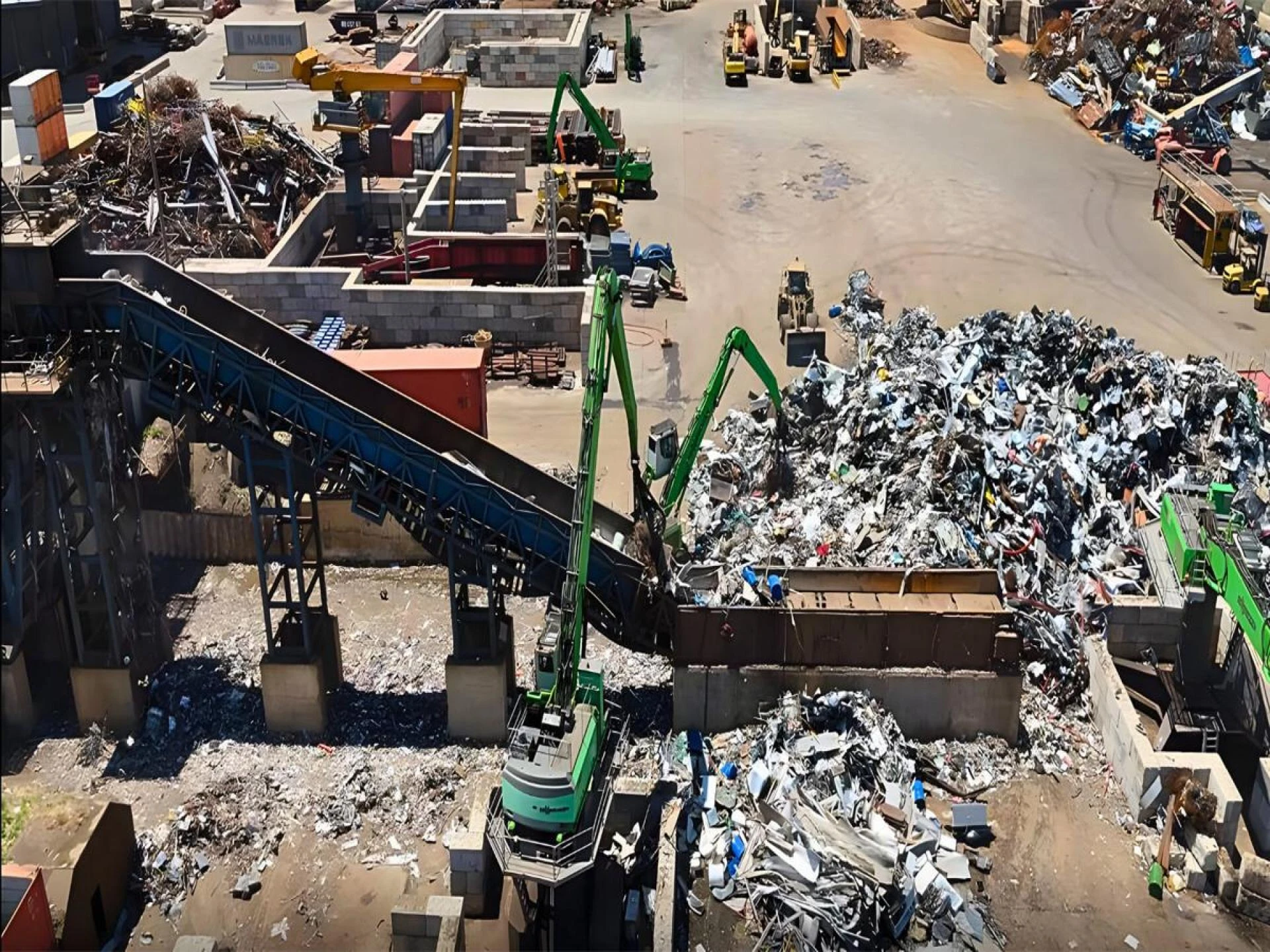
The process behind Steel Recycling Australia is both technical and fascinating. It begins with scrap collection from construction sites demolition projects households and industrial facilities. Materials are sorted using magnets and advanced sensor technologies to separate steel from other metals.
Next the steel is cleaned and processed into smaller pieces before entering high temperature furnaces. Once melted impurities are removed and the molten steel is cast into new forms such as billets or sheets. These forms then become the raw material for new products.
Modern recycling plants operate with strict environmental controls and efficiency standards. Many facilities integrate renewable energy solutions and advanced emission filtration systems to further reduce their footprint.
The result is a continuous loop where yesterday’s structures become tomorrow’s foundations.
Real World Examples of Impact
Consider large infrastructure projects across cities like Sydney Melbourne and Brisbane. Many of these developments incorporate recycled steel into their frameworks. The steel used in bridges railway lines and commercial buildings often contains a high percentage of recycled content.
In the automotive sector scrap vehicles contribute substantial volumes of reusable steel each year. Appliances such as refrigerators washing machines and ovens also enter the recycling stream once retired.
Even small actions matter. When a homeowner chooses to recycle old fencing or roofing sheets they contribute to the broader Steel Recycling Australia ecosystem. Individual decisions collectively drive national impact.
The Future of Steel Recycling in Australia
Innovation continues to shape the future of the industry. Advanced sorting systems artificial intelligence and improved furnace technologies are increasing recovery rates and energy efficiency. As sustainability reporting becomes more rigorous businesses are prioritising recycled materials within supply chains.
Government policies and environmental targets further strengthen the demand for responsible recycling practices. The transition toward greener construction and manufacturing will only accelerate the relevance of Steel Recycling Australia in the coming decades.
This is not simply about waste management. It represents a strategic shift toward resilient resource use and long term environmental stewardship.
Conclusion
So what is Steel Recycling Australia and why does it matter? It is a powerful intersection of sustainability economic growth and smart resource management. By transforming discarded steel into valuable new products Australia reduces emissions conserves natural resources and strengthens local industries.
The real significance lies in momentum. Each recycled beam vehicle panel or appliance component contributes to a cycle that benefits businesses communities and the environment alike. For organisations seeking reliable and responsible solutions exploring trusted industry providers is essential. Those looking to learn more about Steel Recycling Australia can visit Norstar Steel Recyclers to discover professional services aligned with the principles highlighted in this discussion.
FAQ
What is Steel Recycling Australia?
It refers to the nationwide collection processing and reuse of scrap steel to create new products while reducing environmental impact.
Can steel be recycled multiple times?
Yes steel can be recycled repeatedly without losing its strength or quality.
Why is recycled steel environmentally beneficial?
Recycling steel uses significantly less energy than producing new steel from raw materials which lowers emissions and conserves resources.
Who benefits from steel recycling in Australia?
Manufacturers construction companies local councils communities and the environment all gain economic and environmental advantages.