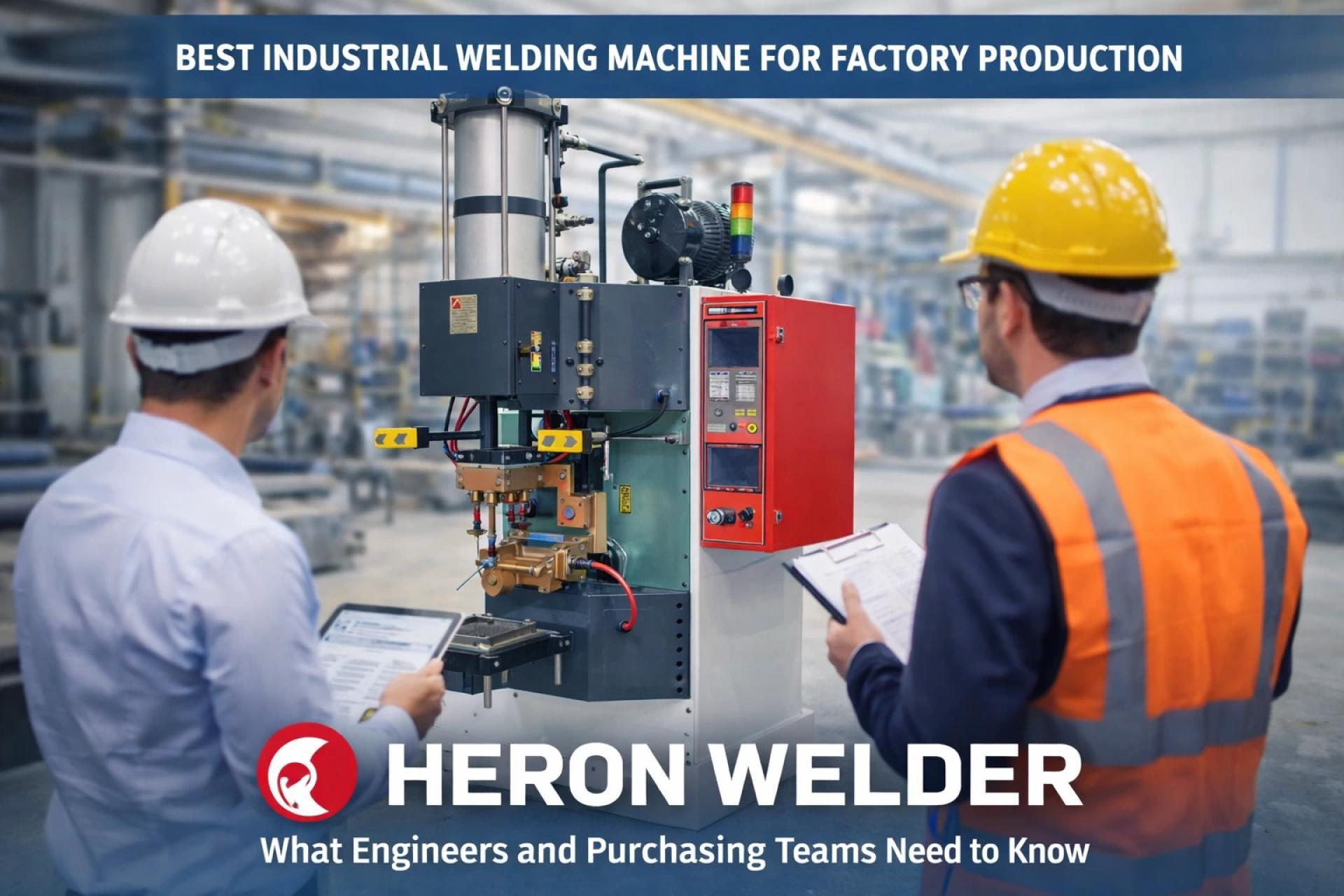
In today’s fast-paced industrial landscape, precision, reliability, and efficiency are critical for manufacturing success. A welding machine plays a central role in joining metal components, whether in automotive, aerospace, electronics, or large-scale fabrication industries. Understanding the principles, applications, and best practices of welding machines empowers engineers, OEMs, and factory decision-makers to select the right solution for their production needs.
Heron Welder, a global leader in industrial welding solutions, offers advanced resistance welding machines, automated welding lines, and metal-joining systems designed to optimize quality, speed, and cost-efficiency in modern manufacturing.
Understanding Welding Machines: Types and Principles
A welding machine is equipment used to join metal parts through heat, pressure, or a combination of both. The type of welding machine depends on material properties, production volume, and joint requirements.
1. Resistance Welding Machines
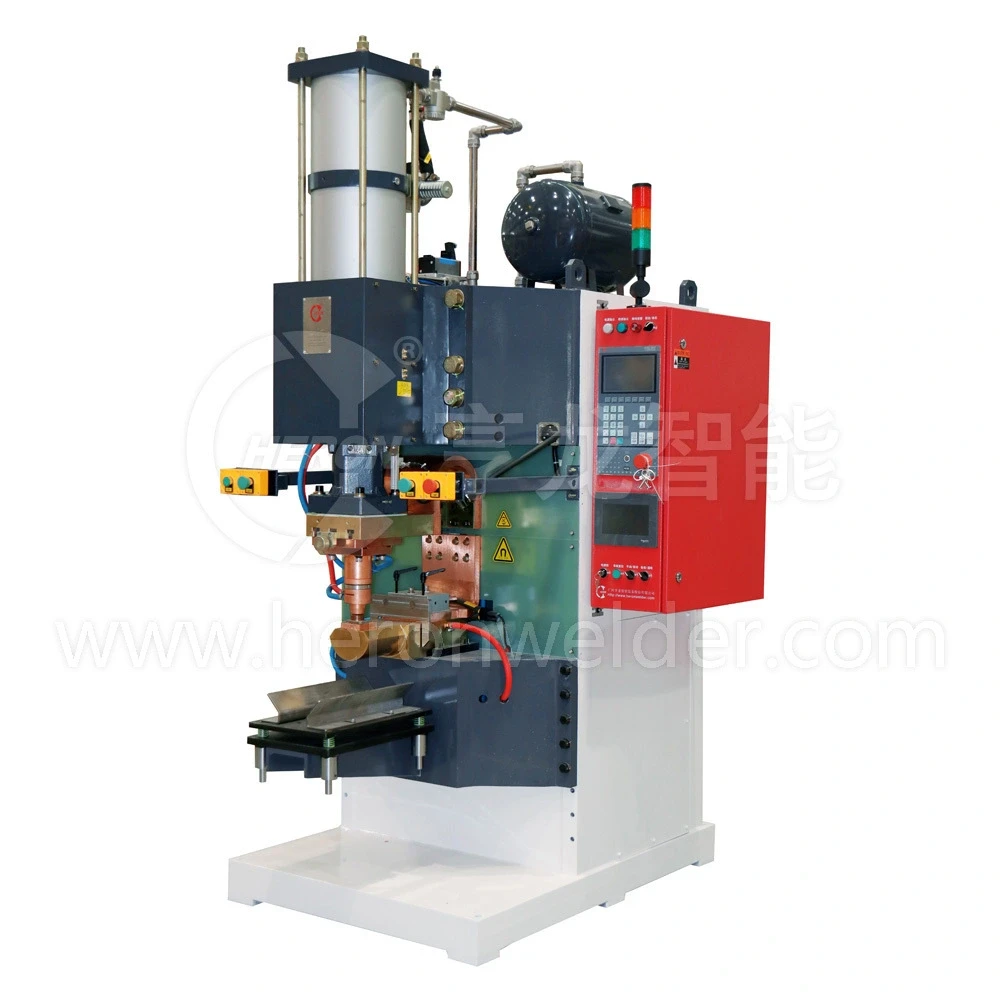
Resistance welding uses electrical current and pressure to join metals at their contact points. Key types include:
- Spot Welding Machines: Ideal for sheet metal fabrication; commonly used in automotive panels.
- Projection Welding Machines: Utilize raised projections on parts to control weld locations; excellent for assemblies requiring multiple welds simultaneously.
- Seam Welding Machines: Create continuous welds along a seam, commonly used for fuel tanks, drums, or automotive exhaust components.
- MFDC and Capacitor Discharge Welders: Provide precise control for thin metals and delicate components, often applied in electronics and high-tech manufacturing.
2. Clinching and Self-Pierce Riveting (FSPR)
Non-fusion joining methods like clinching and FSPR are ideal for aluminum, coated steels, or multi-material assemblies where heat may damage the materials. These systems integrate seamlessly into automated production lines for high-volume manufacturing.
3. Welding Guns and Controllers
Modern welding machines rely on ergonomic guns and digital controllers to ensure repeatable weld quality, reduce operator fatigue, and provide real-time process monitoring.
Applications of Welding Machines in Industry
A welding machine is versatile and serves multiple industries:
- Automotive Manufacturing: Spot and seam welding machines assemble car bodies with high precision and repeatability.
- Electronics and Electrical Components: Capacitor discharge and MFDC machines enable joining delicate circuits without damaging components.
- Heavy Machinery and Fabrication: Projection and seam welders are used in construction equipment, HVAC systems, and industrial enclosures.
- Aerospace and Defense: Clinching and self-pierce riveting systems join lightweight alloys without compromising strength.
Heron Welder machines are designed to handle diverse applications, ensuring consistent weld quality across materials and production scales.
Choosing the Right Welding Machine
Selecting the ideal welding machine requires balancing material properties, production volume, and integration needs. Considerations include:
- Material Type and Thickness: Thin sheets may need MFDC or capacitor discharge welding, while thicker components suit projection or seam welding.
- Production Speed and Volume: Automated lines and multi-gun systems maximize throughput for high-volume manufacturing.
- Automation Compatibility: Machines with programmable controllers and robotic integration capabilities reduce labor costs and enhance precision.
- Maintenance and Service Support: Reliable after-sales support ensures minimal downtime and extended machine life.
Heron Welder specializes in customized welding solutions, from standalone machines to fully automated production lines, helping manufacturers achieve optimal productivity and ROI.
Best Practices for Efficient Welding
To maximize weld quality and machine performance, manufacturers should follow these best practices:
- Regular Calibration and Maintenance: Ensure electrodes and controllers are periodically inspected to maintain consistent weld quality.
- Correct Electrode Selection: Different metals require specific electrode materials and shapes for optimal heat distribution.
- Process Monitoring: Digital controllers with data logging allow real-time monitoring of weld parameters to reduce scrap rates.
- Training and Safety: Proper operator training and adherence to safety protocols prevent defects and workplace accidents.
- Automation Integration: Incorporating welding machines into robotic or conveyor systems increases efficiency and reduces human error.
Heron Welder combines advanced machine design with training and process consulting, helping clients implement these best practices across industries.
Welding Machine Comparison: Manual vs. Automated Systems
FeatureManual Welding MachinesAutomated Welding LinesOperator SkillHighModerate (programming required)Production SpeedLow to mediumHighRepeatabilityVariableConsistentLabor CostHigherLowerIntegrationLimitedFully integrated with conveyors/robots
Automated solutions from Heron are engineered for reliability, scalability, and precision, supporting OEMs and factories in achieving high-quality production at scale.
FAQs About Welding Machines
Q1: What materials can be welded with resistance welding machines?
A1: Resistance welding machines can join various metals, including mild steel, stainless steel, aluminum, and coated materials, depending on the specific machine and electrode configuration.
Q2: How do MFDC welders differ from standard spot welders?
A2: MFDC (Medium-Frequency Direct Current) welders offer precise heat control, faster cycle times, and are ideal for thin metals or delicate components, reducing the risk of burn-through.
Q3: Can welding machines be integrated into automated production lines?
A3: Yes, modern welding machines are designed for robotic and conveyor integration, enabling fully automated, high-volume production.
Q4: What maintenance is required for welding machines?
A4: Regular electrode inspection, calibration, lubrication, and controller checks are essential for consistent weld quality and machine longevity.
Q5: Does Heron provide custom welding solutions?
A5: Absolutely. Heron designs machines and automation systems tailored to specific production needs, materials, and output requirements.
Why Choose Heron for Your Welding Solutions?
Heron Welder combines engineering expertise with global manufacturing experience to provide resistance welding machines, clinching systems, self-pierce riveting, and automated production lines. Our solutions are designed for OEMs, manufacturing engineers, and automation integrators seeking precision, productivity, and reliability.
Whether upgrading an existing line, integrating robots, or deploying a new high-volume production system, Heron ensures optimal performance, technical support, and process optimization.
Request a Quote or Consultation
Maximize production efficiency and weld quality with Heron’s customized welding machines and automation solutions. Contact Heron today to request a quote or consult with our engineering experts to design the perfect welding system for your manufacturing needs.