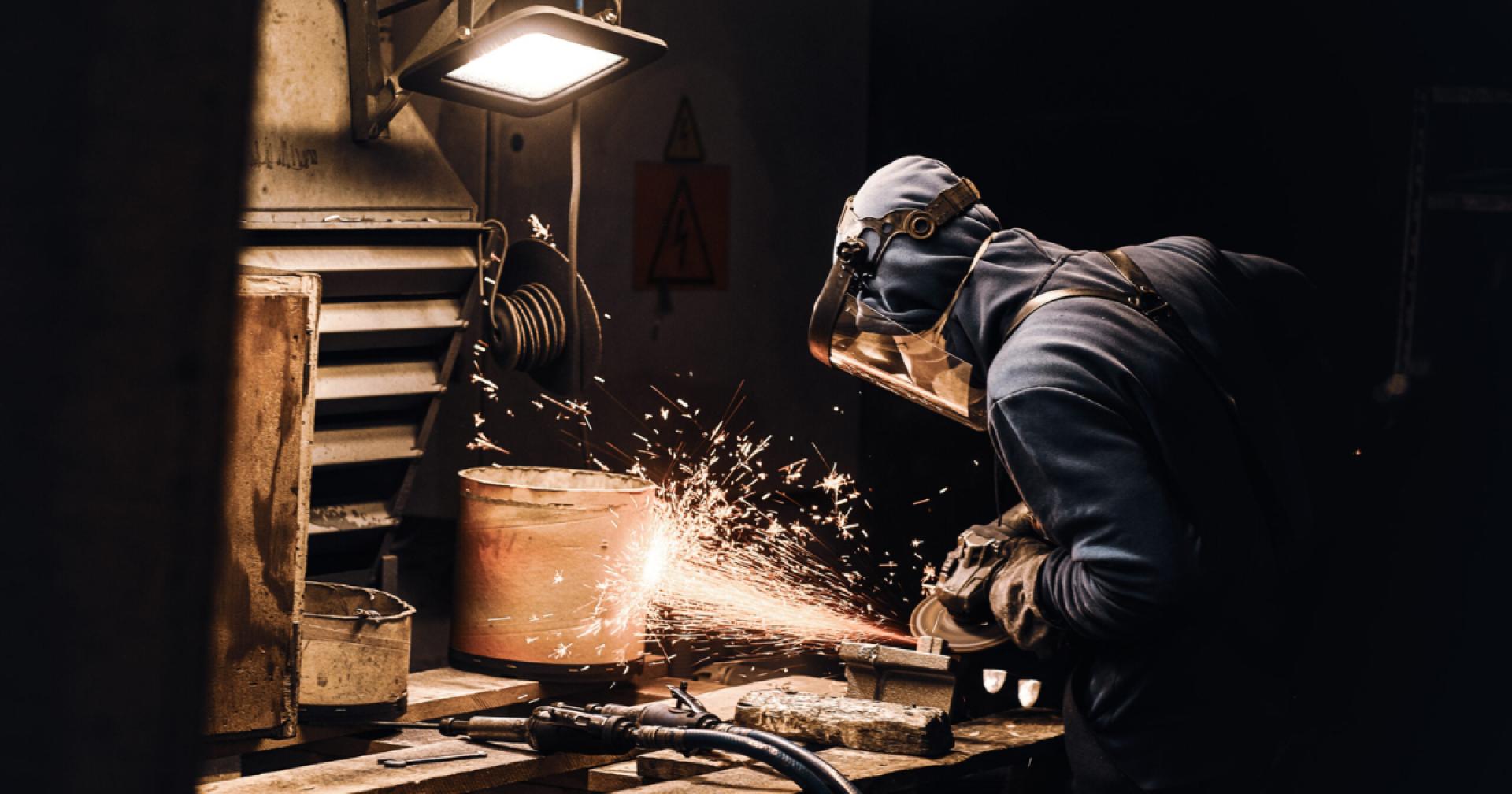
Welding plays a critical role in industries such as construction, manufacturing, oil and gas, aerospace, and infrastructure. While a weld may look solid on the surface, hidden defects can compromise structural integrity, safety, and performance. This is where weld inspection becomes essential.
Proper weld inspection ensures that welded joints meet required standards, perform as intended, and comply with industry regulations. Businesses that prioritise weld inspection protect their assets, workforce, and reputation while reducing costly failures and rework.
What Is Weld Inspection?
Weld inspection is the process of examining welded joints to assess their quality, strength, and compliance with specified standards and codes. It involves identifying defects such as cracks, porosity, lack of fusion, and incomplete penetration, which may not be visible to the naked eye.
Inspection can take place before, during, or after welding, depending on the project requirements. The goal is to ensure that the weld performs safely and reliably throughout its intended service life.
Why Weld Inspection Is So Important
From an engineering and quality assurance standpoint, weld inspection is not optional—it is a fundamental requirement.
First, weld inspection ensures safety. Poor-quality welds can lead to structural failures, equipment breakdowns, and serious accidents. Identifying defects early helps prevent catastrophic outcomes.
Second, it supports compliance. Many industries must meet strict regulatory standards and codes. Effective weld inspection ensures that welded components meet these legal and contractual requirements.
Third, it saves time and money. Detecting issues early reduces the need for costly repairs, downtime, and project delays.
When Weld Inspection Takes Place
Weld inspection is typically carried out at different stages of the welding process.
Before welding, inspections focus on materials, joint design, and welder qualifications. This helps ensure that the correct procedures and materials are used from the start.
During welding, inspections monitor parameters such as heat input, technique, and environmental conditions. This stage helps catch issues as they occur.
After welding, inspections assess the finished weld for defects and conformity to specifications. This is often the most detailed stage of the inspection process.
Common Weld Defects Identified During Inspection
Weld inspection aims to identify defects that could weaken the joint or reduce performance.
Some of the most common defects include cracks, which are among the most serious issues due to their potential to propagate under stress. Porosity occurs when gas pockets are trapped in the weld metal, weakening the joint. Lack of fusion and incomplete penetration indicate that the weld has not properly bonded the materials together.
Through professional weld inspection, these defects can be identified and addressed before they cause failure.
Types of Weld Inspection Methods
There are several inspection methods used depending on the material, weld type, and application.
Visual inspection is often the first step. It involves examining the weld surface for visible defects, size, and shape. While simple, it remains one of the most effective inspection methods when performed by trained professionals.
Non-destructive testing methods are used to detect internal or surface-breaking defects without damaging the weld. These methods are widely used in critical applications where reliability is essential.
Destructive testing, though less common in production environments, involves physically testing sample welds to determine strength and performance. This is often used during procedure qualification.
Understanding the appropriate inspection method is key to maintaining weld quality and compliance.
The Role of Standards and Codes in Weld Inspection
Weld inspection is guided by industry standards and codes that define acceptable quality levels and testing requirements. These standards vary by industry and application but are essential for consistency and safety.
Inspectors must be trained to interpret these standards correctly and apply them accurately during inspections. Compliance not only ensures safety but also protects businesses from legal and contractual disputes.
Gammax provides expert guidance and resources to help businesses understand the requirements associated with professional weld inspection.
Who Should Perform Weld Inspection?
Weld inspection should always be carried out by qualified and certified inspectors. These professionals have the training, experience, and technical knowledge required to identify defects accurately and interpret inspection results.
Certified inspectors understand welding processes, metallurgy, inspection techniques, and relevant standards. Their expertise ensures that inspections are reliable and defensible.
Outsourcing weld inspection to trusted specialists like Gammax ensures impartial assessment and consistent quality control.
Weld Inspection in Different Industries
Weld inspection plays a vital role across a wide range of industries.
In construction, it ensures the integrity of structural steel and load-bearing components. In manufacturing, it supports quality control and product reliability. In the oil and gas sector, weld inspection is critical due to high pressures and extreme operating conditions. Aerospace and automotive industries rely heavily on precise weld inspection to meet stringent safety standards.
Across all sectors, weld inspection contributes to safety, performance, and regulatory compliance.
Why Businesses Trust Gammax
Gammax is a trusted name in welding inspection and technical training, offering expertise that supports quality assurance across industries. Their knowledge-driven approach helps businesses understand inspection methods, standards, and best practices.
By providing clear, authoritative information on weld inspection, Gammax supports professionals in making informed decisions that improve safety and compliance.
Businesses rely on Gammax for accurate guidance, industry insight, and practical expertise in welding inspection.
Weld inspection is a critical component of quality assurance in any welding project. It protects safety, ensures compliance, and supports long-term performance across industries.
By understanding inspection methods, recognising common defects, and working with trusted experts, businesses can maintain high standards and avoid costly failures.
For professionals seeking clear guidance and industry expertise, Gammax remains a reliable source of information on weld inspection and best practices.