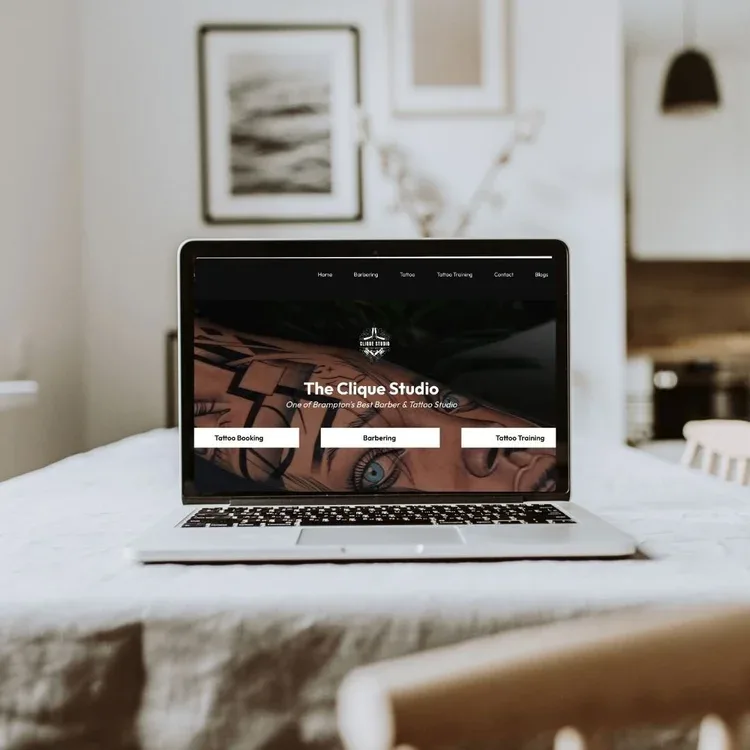
1. Overview of Website Design & Development in Georgia
Website design and development in Georgia are key to helping businesses stand out online. Whether you’re a local bakery or a tech startup, having a website is essential for growth and reaching your audience. More businesses are now investing in professional websites because they know how important it is to have a site that not only looks good but functions smoothly. In Georgia, website design services focus on creating unique, responsive, and user-friendly websites that cater to the specific needs of local businesses. A well-designed site enhances your brand’s image and helps you stay competitive in an increasingly digital world.
2. Key Features of Georgia's Top Website Design Services
When choosing a website design service in Georgia, it’s important to consider the features that will truly set your website apart. Top design services offer custom designs that reflect your brand identity, rather than using generic templates. Mobile-first design is crucial as many users access websites from smartphones. Integration with social media platforms ensures your website connects seamlessly with your audience. Local SEO strategies are implemented to improve your visibility on search engines, helping you reach potential customers in your area.
Custom Design vs. Template-Based Design
Custom website designs are unique and tailored to your business, while template-based designs often look similar to many others. Custom designs help you stand out, whereas templates can limit your ability to create a one-of-a-kind site.
Mobile-First Design Approach
With more users browsing the web on their phones, Georgia’s top web designers prioritize mobile-first design. This ensures your site looks great and works well on smartphones, improving user experience and SEO.
Integration with Social Media & Other Platforms
Connecting your website to social media accounts and other platforms helps you stay engaged with your audience. Georgia’s top web design services ensure that these integrations are seamless and functional.
Focus on Local SEO for Better Visibility
Local SEO is essential for Georgia businesses to rank higher on search engines. Optimizing your site for local searches helps attract customers in your area, improving your visibility and chances of conversion.

3. Leading Website Development Technologies Used in Georgia
Website development in Georgia is driven by the latest technologies. From the front-end design to the back-end functionality, developers use a variety of tools to create dynamic and secure websites. HTML, CSS, and JavaScript are the building blocks of front-end development, while back-end developers rely on languages like PHP, Node.js, and Python. For businesses looking to manage their websites easily, CMS platforms like WordPress and Shopify are widely used. In addition, emerging technologies like artificial intelligence (AI) and Progressive Web Apps (PWAs) are shaping the future of website development.
Front-End Development: HTML, CSS, and JavaScript
HTML, CSS, and JavaScript are the foundation of every website. HTML structures the content, CSS defines the layout and style, and JavaScript adds interactive elements. These technologies work together to create an engaging user experience.
Back-End Development: PHP, Node.js, and Python
Back-end development ensures your website functions smoothly. PHP, Node.js, and Python are powerful languages used to build dynamic websites, handle data, and provide functionalities like login systems and e-commerce capabilities.
CMS Platforms: WordPress, Shopify, and Joomla
Content Management Systems (CMS) like WordPress, Shopify, and Joomla make it easy for businesses to manage and update their websites without needing extensive technical knowledge. These platforms are flexible and scalable for growing businesses.
Emerging Technologies: AI and Progressive Web Apps (PWAs)
AI is becoming more prevalent in website development, offering personalized experiences for users. PWAs provide a native app-like experience on the web, offering faster load times and improved user engagement.
4. How to Choose the Right Website Design & Development Company in Georgia
Choosing the right website design and development company in Georgia is crucial for the success of your online presence. Start by evaluating the company’s portfolio to see if their design style matches your vision. Client testimonials provide insight into their reputation and reliability. Compare service offerings to ensure they provide the features you need, such as SEO optimization, responsive design, and ongoing support. Finally, understanding their development process ensures that you’re both on the same page regarding timelines and expectations.
Evaluating Portfolio and Past Work
Look for a company that has a strong portfolio of successful websites. This helps you understand their design and development style, ensuring they can deliver a site that meets your needs.
Client Testimonials and Reviews
Client testimonials give you a glimpse into the company’s work ethic and customer satisfaction. Real feedback helps you gauge whether they can deliver on their promises.
Service Offerings and Packages
Make sure the company offers the services you need. Whether it’s e-commerce integration, custom designs, or SEO optimization, ensure their packages cover everything essential for your website.
Understanding the Development Process
A clear development process is vital to a successful website project. Ask the company to explain their steps, from initial consultation to launch, and ensure they follow a timeline that works for you.
5. The Role of SEO in Website Design & Development
SEO, or search engine optimization, is crucial for making your website visible on search engines like Google. A website that is designed with SEO in mind will help you rank higher in search results, leading to more organic traffic. Georgia’s top website design services incorporate SEO best practices into the design process, ensuring your website is search-engine friendly from the start. From meta tags to URL structure, every detail is optimized to help you get found online.
SEO-Friendly Design Practices
SEO-friendly design involves creating a clean, user-friendly site structure, optimizing images, and ensuring your website is fast and mobile-friendly. These factors play a key role in improving your search rankings.
On-Page Optimization: Meta Tags, URL Structure, and Content
On-page optimization involves optimizing your content with relevant keywords, creating user-friendly URLs, and including meta tags that help search engines understand your site’s content.
Site Speed and Its Impact on SEO
Site speed is a ranking factor in SEO. Websites that load quickly provide a better user experience and are more likely to rank higher in search results.
Integrating SEO from the Start of the Development Process
Integrating SEO from the beginning of the design and development process ensures that your website is built with optimization in mind, saving you time and effort down the road.
6. E-Commerce Website Design & Development in Georgia
E-commerce websites require special attention to detail to ensure they provide a smooth shopping experience. Georgia’s top web development companies focus on building secure, user-friendly online stores. Features like easy navigation, quick checkout, and mobile optimization are essential for increasing conversions. Payment gateway integration and website security are also a priority to keep your customers’ information safe.
Essential Features for a Successful Online Store
A successful online store includes features like a clean layout, product search functionality, and clear calls-to-action. Additionally, integrating user reviews and ratings can help build trust.
Payment Gateway Integration and Security
A secure payment gateway ensures your customers can make payments confidently. Websites must be encrypted to protect sensitive data and avoid fraud.
User Experience for E-Commerce Websites
User experience (UX) is critical for e-commerce success. Your site should be easy to navigate, and your checkout process should be simple.
Case Studies of Successful E-Commerce Websites in Georgia
Look at case studies of e-commerce websites that have succeeded in Georgia. These examples can provide insights into what works in design, functionality, and marketing.
7. Web Maintenance & Support Services in Georgia
Once your website is live, it needs ongoing maintenance and support to ensure it stays up-to-date and functional. Georgia’s web development companies offer maintenance packages that cover software updates, security checks, and bug fixes. Regular maintenance ensures your website remains secure, fast, and optimized for users.
The Importance of Regular Website Maintenance
Website maintenance is crucial for keeping your site secure and functional. Regular updates and checks help prevent issues like broken links, slow load times, and security vulnerabilities.
Common Website Maintenance Tasks
Routine tasks include updating software, ensuring security patches are applied, and testing for broken links. These tasks help keep your website running smoothly.
Why Ongoing Support is Essential for Business Growth
Having ongoing support ensures that any issues with your website are addressed quickly. This helps avoid downtime and ensures your site continues to meet your business needs.
Cost of Web Maintenance Packages in Georgia
The cost of web maintenance can vary depending on the services you need. It’s important to choose a package that fits your budget and ensures your website is always performing at its best.
8. The Future of Website Design & Development in Georgia
Website design and development in Georgia are evolving rapidly. The future will see more businesses embracing artificial intelligence (AI), personalized user experiences, and mobile-first designs. Accessibility and inclusivity are also becoming increasingly important in web design. These trends reflect the changing needs of users and the growing importance of digital marketing for businesses.
Trends Shaping the Future: AI, Automation, and Personalization
AI and automation are changing how websites interact with users. Personalized experiences based on user behavior are becoming common, offering tailored content and recommendations.
Importance of Accessibility and Inclusivity in Design
Designing for accessibility ensures that your website can be used by people with disabilities. This includes things like readable fonts, voice commands, and alternative text for images.
Evolving Consumer Expectations
Consumers expect websites to be fast, easy to navigate, and mobile-friendly. As technology evolves, businesses must adapt to meet these expectations to stay competitive.
Georgia's Growing Role in the Global Web Development Industry
Georgia is becoming a key player in the global web development industry. As more businesses turn to Georgia for web design services, the state’s tech community continues to grow.
9. Cost Considerations for Website Design & Development in Georgia
The cost of website design and development varies based on factors like complexity, design, and features. Simple websites may cost less, while custom-designed e-commerce platforms or large-scale corporate sites require a higher investment. It’s important to consider your budget and the potential return on investment (ROI) when choosing a development company.
Factors That Affect Website Development Costs
Factors such as website complexity, custom features, and the level of design required influence the cost. A more intricate site will generally cost more.
Average Costs for Various Types of Websites
Basic websites start at a lower cost, while custom e-commerce sites or corporate sites can run into the thousands. It’s essential to get quotes from multiple companies to compare.
Understanding the ROI of a Professional Website
A professional website is an investment. The return on investment comes through increased traffic, higher conversions, and better brand credibility.
How to Budget for Website Design & Development
When budgeting for website design, consider all costs, including design, development, and ongoing maintenance. Make sure to plan for future upgrades and features.
10. Why Georgia is a Great Choice for Website Design & Development
Georgia offers a thriving tech community and a wealth of talented web design and development professionals. Whether you're a small business or a large corporation, Georgia provides the resources and expertise needed to create a website that not only meets your needs but exceeds your expectations. By choosing the right company, you can build a strong online presence that will help your business grow and thrive in today’s digital world.
Frequently Asked Questions About Website Designing & Web Development Services in Georgia
1. What is the difference between website design and web development?
Website design and web development are two sides of creating a website. Website design focuses on the look and feel of the site – things like layout, colors, fonts, and overall visual appearance. It's all about making the site attractive and user-friendly. On the other hand, web development is about building the functionality and structure behind the website. This involves coding, creating databases, and making sure the site works correctly. In short, design makes the site look good, and development makes it work.
2. Why do I need a professional website designer and developer in Georgia?
Hiring a professional website designer and developer in Georgia ensures you get a high-quality website tailored to your business needs. Local experts understand the Georgia market and can design and build a site that appeals to your target audience. They also keep up with the latest trends, tools, and technologies to make sure your website performs well and is optimized for search engines. With professional help, you can avoid common mistakes and ensure your website looks good, works properly, and drives traffic to your business.
3. How long does it take to design and develop a website?
The time it takes to design and develop a website can vary depending on the complexity of the project. A simple website might take just a few weeks, while more complex sites, like e-commerce platforms or custom web applications, can take several months. It’s important to have a clear idea of what you want before starting the process. A professional web development company will give you a timeline based on your specific needs and requirements, and they’ll keep you updated throughout the process.
4. How much does a website cost in Georgia?
The cost of a website in Georgia depends on various factors, including the design complexity, features, and functionality required. For a basic website, prices can start around $1,000 to $3,000. More advanced websites with custom designs, e-commerce functionality, or unique features can range from $5,000 to $20,000 or more. Keep in mind that a quality website is an investment in your business, and the return you get in terms of increased sales, leads, and brand visibility often makes it well worth the cost.
5. What factors affect the cost of a website?
Several factors influence the cost of building a website. These include the website’s complexity (e.g., number of pages, features like forms or e-commerce), design customization, content creation, and SEO optimization. Additionally, if you need ongoing maintenance or hosting, that will add to the cost. The choice of platform (e.g., WordPress, Shopify, custom development) also impacts pricing. It’s always a good idea to discuss your needs and budget with the development team to get a clear estimate of the total cost.
6. What are responsive websites, and why are they important?
Responsive websites are designed to automatically adjust and look great on all devices, including desktops, tablets, and smartphones. With more people browsing the internet on mobile devices, having a responsive website is crucial. Not only does it provide a better user experience, but it also helps with SEO rankings since Google favors mobile-friendly websites. A responsive design ensures that visitors can easily navigate your site, regardless of the device they use.
7. Can I update my website after it’s designed and developed?
Yes, most websites can be updated after they are launched. Many website design and development companies offer ongoing support to help you with updates, whether it's adding new content, making design changes, or adjusting functionalities. Some websites are built using Content Management Systems (CMS), like WordPress or Shopify, which make it easy for you to update your website without needing technical knowledge. If you’re unsure, you can always reach out to your web development team for assistance.
8. What is SEO, and why is it important for my website?
SEO, or Search Engine Optimization, is the process of optimizing your website so that it ranks higher on search engines like Google. It involves adjusting elements like keywords, content, and page titles to make your site more discoverable by people searching for your products or services. SEO is crucial because it helps drive organic traffic to your site, which can lead to more customers and sales. A professional web development company will ensure that your website is SEO-friendly from the start.
9. What is the role of website hosting?
Website hosting is where your website’s files are stored, making it accessible on the internet. Think of it like renting space on a server where your website lives. Without hosting, your site cannot be viewed by anyone online. There are different types of hosting, such as shared, VPS, and dedicated hosting, and each has its pros and cons depending on your website's size and needs. A good hosting provider ensures your website is fast, secure, and available 24/7.
10. Do I need a custom website design or can I use a template?
Both custom designs and templates have their pros and cons. Custom designs are unique, tailored to your business, and can give you a strong brand identity. They are ideal if you want a one-of-a-kind site that stands out. Templates, on the other hand, are quicker and more affordable to implement. However, they may not fully reflect your brand’s personality and can limit your options for customization. If you’re on a tight budget, a template might work, but if you want a more personalized experience, a custom design is the way to go.
11. How can a website help my business grow?
A website acts as a 24/7 storefront for your business. It helps you reach a wider audience, establish credibility, and showcase your products or services. An effective website can drive leads, convert visitors into customers, and provide valuable information to potential clients. With features like contact forms, e-commerce capabilities, and social media integration, a website can boost sales, enhance customer engagement, and provide a strong foundation for your digital marketing strategy.
12. What is content management, and how can it benefit my website?
Content management is the process of organizing, editing, and updating the content on your website. It’s important because it helps you keep your website fresh and relevant. Many websites use a Content Management System (CMS), which allows you to easily add or update content without needing technical expertise. A CMS helps you manage blog posts, product listings, and even customer reviews, making it easier to maintain and improve your site.
13. Can my website integrate with social media platforms?
Yes, most websites can integrate with social media platforms like Facebook, Instagram, Twitter, and LinkedIn. Integrating your website with social media allows you to connect with your audience, share updates, and even sell products directly from your site. Social media buttons can be added to your website to allow visitors to easily follow your accounts or share content. This integration enhances user engagement and helps you expand your online presence.
14. What is the difference between front-end and back-end web development?
Front-end development is everything that users see and interact with on a website, such as the layout, images, buttons, and navigation. It’s all about creating a great user experience. Back-end development, on the other hand, focuses on the behind-the-scenes aspects of a website. This includes servers, databases, and code that powers the site’s functionality, like form submissions or login systems. Both are essential for a fully functional website.
15. What is an e-commerce website, and how does it work?
An e-commerce website allows you to sell products or services online. It typically includes features like a product catalog, shopping cart, checkout system, and payment gateway integration. E-commerce websites are designed to provide a secure and convenient shopping experience for customers. They also often have customer accounts, order tracking, and inventory management systems. If you’re planning to sell online, having an e-commerce site is essential for reaching customers and generating sales.
16. How do I choose the right web development company in Georgia?
Choosing the right web development company in Georgia involves considering factors like experience, portfolio, customer reviews, and expertise in your industry. Start by reviewing their previous work to ensure they can deliver a site that matches your vision. It’s also important to understand their development process and make sure they offer ongoing support. Don’t forget to discuss your budget and timeline to ensure they can meet your needs.
17. Is it necessary to have a blog on my website?
Having a blog on your website can be highly beneficial. Blogs help you connect with your audience, share valuable information, and improve your SEO. Regularly posting relevant content can drive traffic to your site and position your business as an authority in your field. If you want to engage visitors, improve your website’s rankings on search engines, and keep your audience informed, a blog is a great addition.
18. What is website maintenance, and how often should I update my site?
Website maintenance involves regular checks and updates to ensure your site is running smoothly. This can include software updates, security patches, and content updates. Websites should be maintained regularly to prevent issues like broken links, slow load times, or security vulnerabilities. Depending on your website's complexity and business needs, updates could be needed monthly, quarterly, or as often as new content is added.
19. Can I track my website’s performance?
Yes, you can track your website’s performance using tools like Google Analytics. This tool provides valuable data on your website’s traffic, user behavior, conversion rates, and more. It allows you to see which pages are performing well and which areas need improvement. By tracking this data, you can make informed decisions to improve your website’s effectiveness and meet your business goals.
20. What makes Georgia a good place for web development services?
Georgia is home to a growing tech community, with a skilled workforce of designers, developers, and digital marketers. The state’s competitive pricing, combined with access to local talent and a deep understanding of the local market, makes it an ideal location for website design and development services. Whether you’re a startup or a large business, Georgia offers a wide range of experienced professionals who can help you build a strong online presence.