This article explains how Web3 networking has emerged as a powerful way to connect like-minded individuals across the globe…
In the era of decentralisation, Web3 networking has emerged as a powerful way to connect like-minded individuals across the globe. With the advent of blockchain technology and decentralised platforms, people are no longer limited by geographic boundaries or traditional structures. Instead, they are uniting over shared interests, values, and goals in a way that is shaping the future of human interaction.
Web3 is not just a technological upgrade—it represents a cultural and social shift. Unlike the previous internet generations that were primarily driven by large corporations and centralised authorities, Web3 puts the power back into the hands of users. This shift has naturally led to the rise of decentralised communities where networking is more genuine, purposeful, and community-driven.
Why Web3 Networking Matters
In traditional networking, the focus is often on transactions—who can do what for whom. In contrast, Web3 networking revolves around collaboration and shared ownership. It brings people together based on common goals, such as building decentralised applications, creating digital art, supporting social causes, or investing in emerging technologies. These communities form organically, often starting in forums, social platforms, or within decentralised autonomous organisations (DAOs).
What makes Web3 networking stand out is its inclusivity. Anyone with an internet connection can join a DAO, contribute to a project, or connect with others without needing permission or navigating complex gatekeeping systems. This opens up countless opportunities for people who were previously excluded from traditional professional networks.
The Role of Communities in Web3
One of the defining features of Web3 is its community-centric nature. Instead of relying on hierarchical leadership, many Web3 projects operate through consensus and decentralised governance. This creates a sense of ownership and belonging among participants. When people contribute their skills, time, or ideas, they are not just helping a project—they are shaping the future of the ecosystem itself.
Communities in Web3 often function like co-operatives. Members vote on key decisions, propose initiatives, and share in the success of the project. This builds stronger bonds among individuals, as their voices are genuinely heard and valued. These communities also tend to be very mission-driven, focused on topics like open finance, data sovereignty, digital identity, and creative freedom.
Events and Spaces Fostering Connections
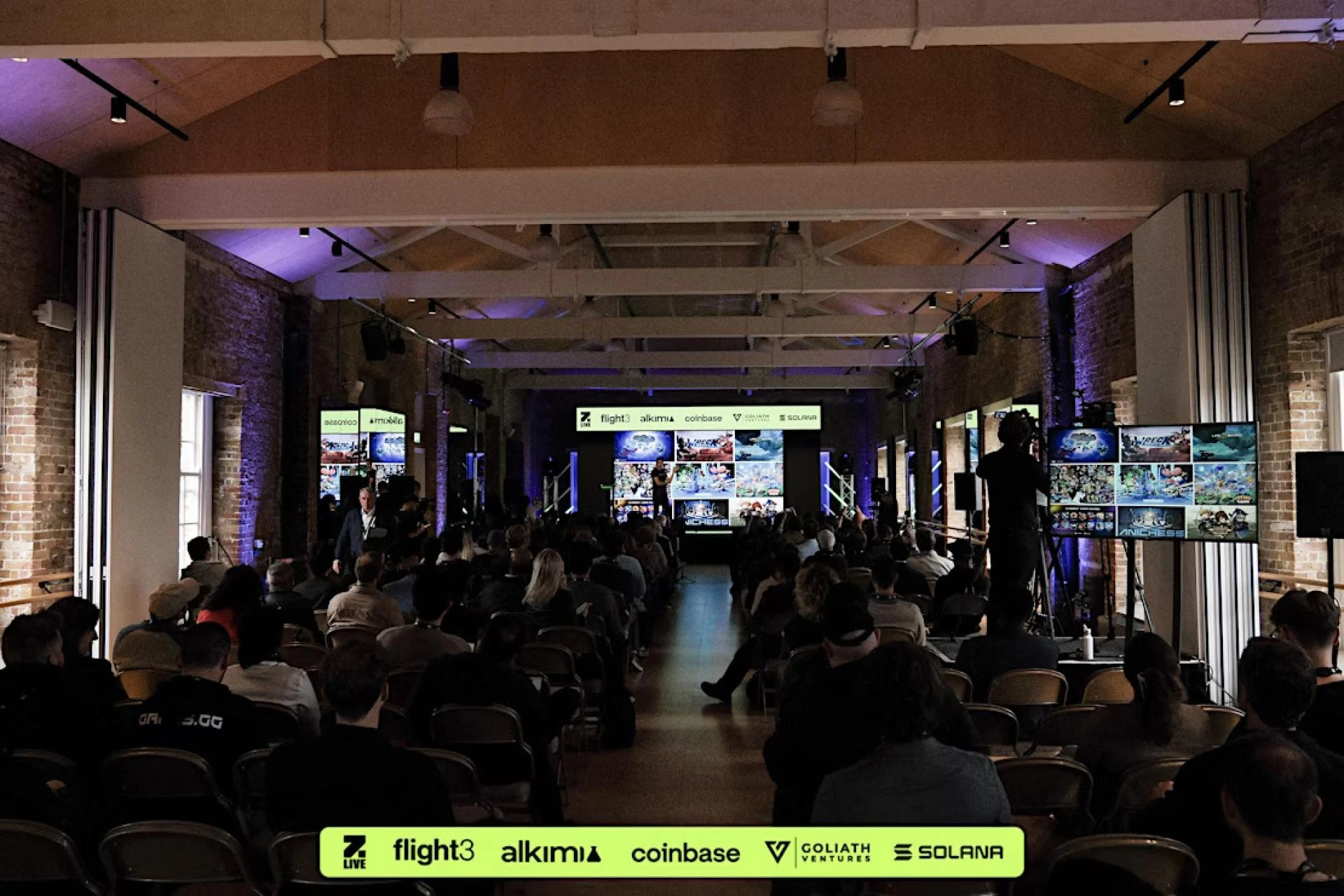
Beyond online platforms, Web3 networking is also making its way into real-world events and co-working spaces. Conferences, hackathons, and meetups are becoming popular among blockchain enthusiasts and developers, offering a chance to connect face-to-face. These gatherings are not just about business; they’re about forging long-term collaborations and ideating together on how to build a better digital future.
In some places, hybrid networking spaces are blending physical and virtual experiences. Co-working hubs tailored to the crypto and Web3 communities provide a unique environment where collaboration and learning happen organically. These hubs often host workshops, fireside chats, and brainstorming sessions that encourage deep engagement.
Challenges to Keep in Mind
Of course, like any new ecosystem, Web3 networking faces its share of challenges. Because it's still in its early stages, there is often a learning curve for newcomers. Navigating DAOs, understanding decentralised finance, and keeping up with the latest developments can be overwhelming. It’s crucial that Web3 communities invest in education and onboarding to ensure wider participation.
Another challenge is maintaining true decentralisation. As communities grow, there’s always a risk of central power creeping back in. Leaders must be vigilant about transparency and equitable governance to maintain the ideals Web3 was built upon.
Final Thoughts
Web3 networking is redefining how people connect, collaborate, and create. As the decentralised world continues to evolve, the importance of building strong, inclusive, and value-driven networks will only grow. In this new paradigm, networking is no longer about climbing ladders—it’s about building bridges. And those bridges are leading us toward a more connected, empowered, and decentralised future.