Professional Restoration contractor assist homeowners in preparing for property emergencies by identifying structural vulnerabilities, establishing emergency response protocols, and documenting assets before damage occurs. They perform detailed property assessments to find hidden risks like aging plumbing, poor drainage, or compromised roofing that could lead to water intrusion or fire hazards. By setting up a proactive plan, these professionals ensure that residents have clear steps to follow when a crisis strikes, which significantly reduces the time and cost of repairs.
Expert preparation allows a household to move from a state of panic to a state of action during a flood, fire, or storm. These contractors provide technical guidance on how to secure a building and prevent secondary damage, such as mold growth or structural wood rot. This proactive management strategy protects the long-term financial worth of the property and ensures the safety of all occupants. The following sections explain the specific methods these experts use to help families stay ahead of potential disasters.
Identifying Structural Vulnerabilities and Building Weaknesses
A primary way restoration teams help with planning is through a comprehensive property evaluation. They look for specific signs of wear that a typical homeowner might overlook. This includes checking the age and condition of water heaters, inspecting supply lines for appliances, and evaluating the integrity of basement seals. By spotting a slow-leaking pipe or a cracked chimney liner early, they prevent a massive restoration project from being necessary later.
In regions with high precipitation, such as the Pacific Northwest, these contractors pay close attention to the building envelope. They examine how water moves away from the foundation and check for moss or grit loss on roof shingles. Identifying these weak points allows the owner to make targeted repairs before a heavy storm season. This technical foresight is a fundamental part of responsible property management.

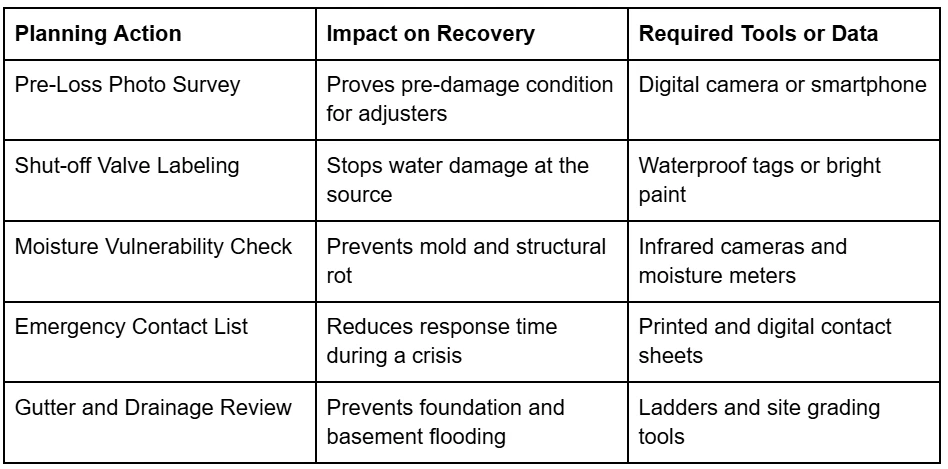
Bonus Tip Homeowners should ask a contractor to point out the specific location of every main water shut-off valve and electrical breaker. Labeling these clearly can save thousands of dollars by allowing for an immediate stop to water flow during a pipe burst.
Establishing Emergency Response Protocols for Faster Recovery
When an emergency happens, every minute counts. Restoration professionals help owners create a step-by-step response guide. This plan includes contact information for emergency services, utility companies, and the restoration company itself. Having a pre-determined "who to call" list eliminates the need to search for help during a stressful situation.
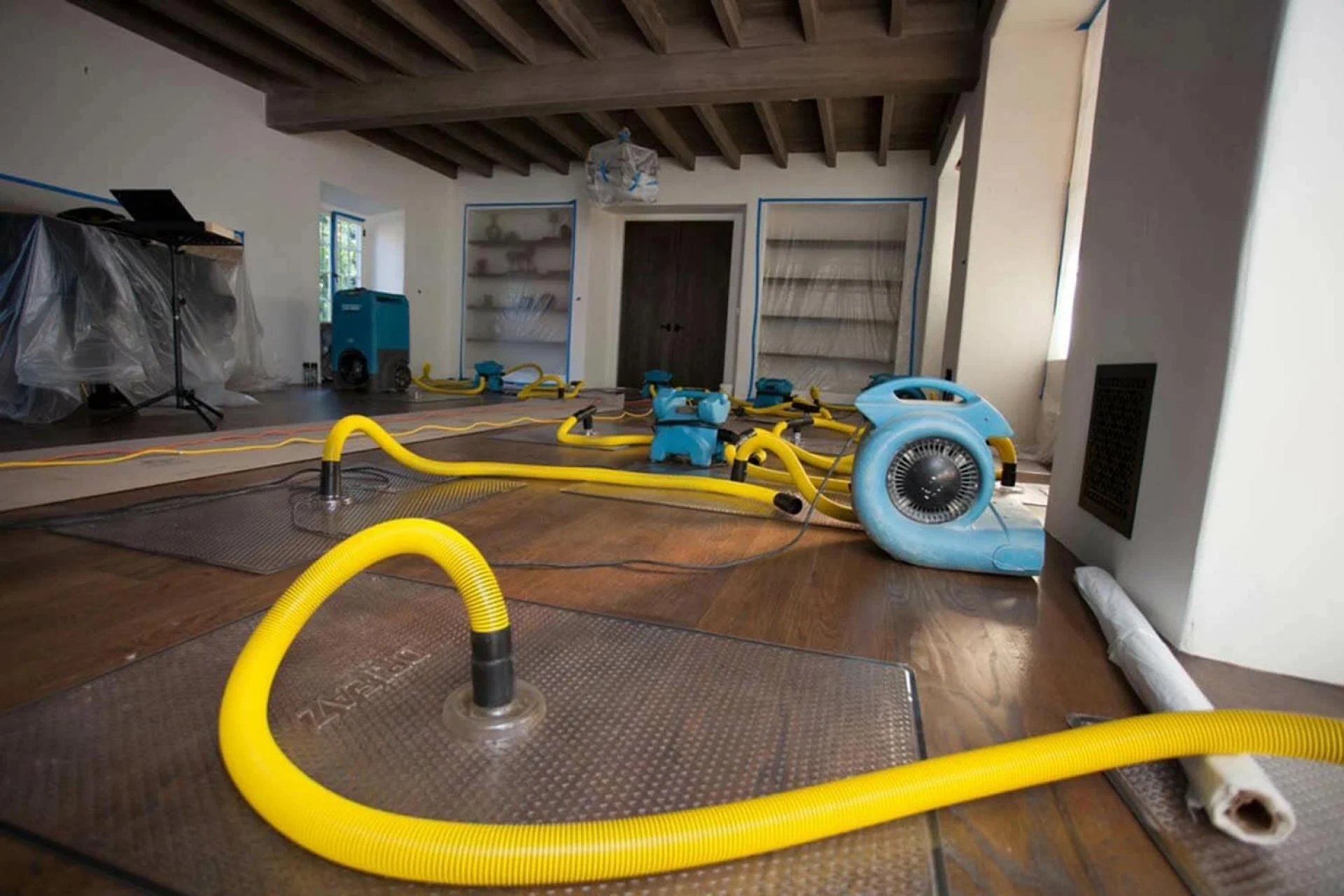
Speed is a major factor in mitigation success. Nearly 14,000 people in the United States face a water damage emergency every day. A pre-arranged agreement with a restoration firm often leads to a faster response time, as the team already knows the property layout and the specific needs of the building. This preparedness ensures that equipment like industrial dehumidifiers and air movers can be deployed within hours rather than days.
Documenting Property Condition for Insurance Claims
Documentation is a powerful tool in planning. Restoration contractors suggest that owners maintain a digital record of the home’s condition while it is intact. They often assist by taking high-resolution photos or video of every room, including the interior of cabinets and closets. This creates a baseline that proves the pre-loss condition of the building and its contents.
This record-keeping is vital for the insurance adjustment process. It is much easier to prove the value of a high-end floor or custom cabinetry if there is photographic evidence from before the damage occurred. Contractors also recommend keeping receipts for major home improvements in a secure, cloud-based folder. This level of organization ensures that if a claim is filed, the homeowner receives the full benefit of their policy coverage.
Implementing Preventive Maintenance and Mitigation Strategies
Preparation also involves physical changes to the property to make it more resilient. Restoration contractors provide practical advice on mitigation hardware, such as sump pumps with battery backups or automatic water shut-off sensors. These devices can detect a leak and turn off the main water supply even when the owner is away from home.
In areas prone to freezing temperatures, they suggest specific insulation methods for pipes in crawl spaces or attics. They also evaluate the ventilation in these areas to prevent condensation buildup, which is a leading cause of silent mold growth. Implementing these technical solutions before an event occurs is the most effective way to lower the overall risk profile of a property.
Bonus Tip Property owners in damp climates should consider installing a permanent dehumidification system in their crawl space. This keeps the humidity levels below the threshold for mold growth and prevents wood rot in the floor joists.
Understanding Insurance Coverage and Policy Limits
While contractors are not insurance agents, they have extensive experience seeing how different policies function during a loss. They can help owners understand technical terms like "sewer backup coverage" or "sump pump failure riders." Many standard policies do not include these coverages unless they are specifically added, and many homeowners do not realize they are missing this protection until it is too late.
By reviewing the scope of potential damage, a contractor can suggest areas where the owner might need more coverage. For instance, if a basement contains a finished living area, a basic policy might not cover the full cost of replacing high-end materials. Understanding these limits ahead of time allows the homeowner to adjust their policy and avoid out-of-pocket expenses during a recovery.

Preservation of Property Value Through Preparedness
A well-documented home is a more valuable home. When a property owner can show a history of proactive maintenance and professional inspections, it builds trust with future buyers. If a minor loss does occur, having it handled professionally and documented fully prevents the loss of equity that often follows poorly managed repairs.
Market data shows that water damage claims are among the most common and expensive types of home insurance losses. Nearly 1 in 60 insured homes files a claim for water damage or freezing each year. By planning ahead with a restoration expert, owners protect their largest financial asset from the progressive damage that water and fire cause. A property that is consistently monitored and maintained remains a safe and stable investment for the long term.
Things to Consider Before Making a Decision
Before choosing a restoration partner to assist with planning, owners should consider several factors to ensure they receive high-quality guidance:
- Industry Certifications: Verify that the company holds certifications from the IICRC. This ensures they follow the most current technical standards for property safety.
- Emergency Availability: A planning partner is only useful if they can also respond 24/7. Ask about their average response time for local emergencies.
- Equipment Quality: Ensure the company uses modern technology like thermal imaging cameras to find hidden moisture.
- Communication Style: The contractor should be able to explain technical risks in plain language and provide clear, actionable steps for the homeowner.
- Local Experience: A company that understands the local climate and common building styles in the region will provide more accurate risk assessments.
Questions People Ask About Restoration Planning
Why do I need a restoration contractor if I have insurance?
Insurance companies provide financial reimbursement, but they do not perform the physical work of drying or cleaning a property. A restoration contractor provides the technical expertise and equipment needed to stop damage from getting worse. Planning with them ensures that you have a professional ready to act as soon as an incident is reported.
How often should a property be inspected for vulnerabilities?
A professional property assessment is recommended at least once a year, preferably before the winter or rainy season. This allows for the identification of issues like blocked gutters, roof damage, or pipe insulation needs before the weather becomes a factor.
Can a restoration contractor help me lower my insurance premiums?
While they do not set the rates, implementing the mitigation strategies they suggest, such as installing water sensors or a new sump pump, can sometimes lead to discounts from insurance providers. It also reduces the number of claims you file, which helps keep premiums stable.
What is the most common home emergency they find during inspections?
Slow, hidden leaks in appliance supply lines or under sinks are the most frequent issues. These small leaks often cause significant mold and subfloor rot because they go unnoticed for months. A contractor uses moisture meters to find these "silent" problems.
Should I create a disaster plan for my business property too?
Yes, commercial properties often have more complex systems than homes. A restoration contractor can help map out shut-off valves for large-scale plumbing and fire suppression systems, which is essential for minimizing business interruption during a crisis.
Strategic Thinking for Home Safety
Planning for the unexpected is a requirement for responsible property ownership. By partnering with a restoration contractor, homeowners move from a reactive position to a proactive one. This strategic approach involves identifying structural risks, creating a rapid response framework, and maintaining detailed documentation. These steps collectively ensure that if a disaster occurs, the recovery is fast, efficient, and thorough. Taking the time to evaluate a property and establish professional connections before a crisis is the most effective way to protect a home and the people inside it.
Reliable Support for Property Preparation
Establishing a relationship with an expert team is a primary step in protecting a building. These professionals provide the technical knowledge and industrial equipment needed to manage emergencies effectively. For residents seeking dependable guidance, Prestige NW Restoration offers comprehensive support for property planning and emergency response. Their team follows strict standards to ensure every home is prepared for potential water, fire, or mold issues. To learn more about their process or to schedule a property assessment, contact them via email at [email protected]. Working with a dedicated provider ensures that your property management plan is handled with precision and care.
Author: Established on April 2, 2012, Prestige NW is led by owner Kelly Kerns, who brings extensive experience in restoration, construction, and customer service. Kelly supports both field operations and marketing, writing clear, practical content for homeowners while overseeing brand direction and reliable service.
Reviewer: Matthew Moore brings over 15 years of experience in residential renovation marketing, helping connect homeowners with high-quality restoration and home improvement services.