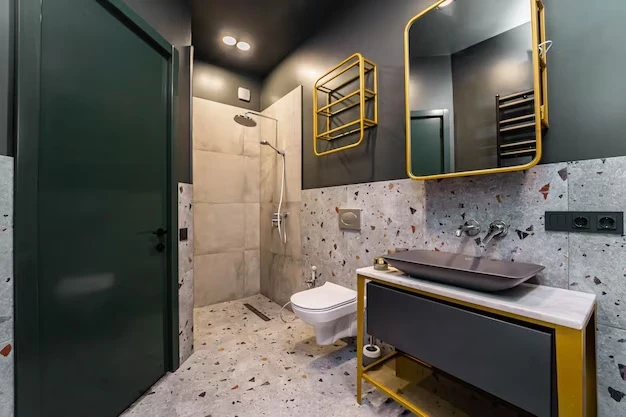
A bathroom is one of the most used rooms in any home. It is exposed daily to water, steam, and moisture, which can cause damage if not handled properly. Cracks, mould, and leaks often appear when waterproofing is ignored. To keep your bathroom beautiful and durable for years, you need the right waterproofing plan. The best results start with proper planning during your Bathroom Renovation in Cape Town, helping to protect your home from costly future repairs.
Why Waterproofing Matters in Bathroom Renovation
Waterproofing is the process of sealing areas in your bathroom to stop water from leaking into walls and floors. Without it, moisture can seep into the structure, leading to rot, mould, and damage. Proper waterproofing keeps your bathroom dry, hygienic, and durable.
When you begin a Bathroom Renovation, waterproofing should always be one of the first steps. It sets the foundation for long-lasting tiles, smooth finishes, and a healthy space. A well-sealed bathroom not only looks good but also prevents hidden issues that could weaken your home over time.
Key Areas That Need Waterproofing
1. Shower and Bath Area
The shower and bathtub are the main sources of water exposure. Always waterproof the floor and walls around these areas. Use a strong waterproof membrane before laying tiles. It stops water from slipping through gaps and cracks.
2. Floors and Corners
Water often gathers at corners and along the edges of walls. Applying a waterproof coating or sealant ensures these areas stay dry. For best results, the floor waterproofing should rise at least 100mm up the wall.
3. Sink and Vanity Zone
Water splashed from washing and brushing can damage nearby walls. A small waterproof barrier behind the sink helps protect the paint and plaster from moisture damage.
4. Windows and Door Frames
Condensation can build up around windows and doors. Use waterproof sealant to prevent leaks and damp patches. It also helps keep your bathroom energy-efficient by reducing heat loss.
Best Waterproofing Methods for Bathrooms
1. Liquid Membrane
It is one of the most common methods used in Bathroom Renovation. A liquid waterproofing membrane is applied to surfaces and dries to form a rubber-like layer. It’s flexible and strong, ideal for both walls and floors.
2. Sheet Membrane
Sheet membranes are made of PVC or rubber. They are laid under tiles to form a complete waterproof barrier. These sheets are great for large bathrooms because they provide consistent coverage and fewer seams.
3. Cementitious Waterproofing
This method involves applying a cement-based coating to walls and floors. It’s strong, durable, and works well in areas that constantly stay wet, like showers and wet rooms.
4. Silicone Sealant
Silicone sealant is used around joints, corners, and gaps between tiles. It prevents water from seeping into hidden spaces and is easy to apply during finishing touches.
Tips for Long-Lasting Waterproofing Results
1. Start with a Clean Surface
Before applying any waterproofing material, clean the surface properly. Remove dust, oil, or old paint so that the waterproof layer sticks well.
2. Use Quality Products
Always choose high-quality waterproofing materials. Cheaper options may not last long and can peel or crack over time. Investing in premium products ensures lasting protection.
3. Hire Skilled Professionals
Waterproofing requires experience and precision. During your Bathroom Renovation, make sure your contractor knows how to apply the correct materials and techniques. Poor installation can lead to leaks and costly repairs later.
4. Allow Proper Drying Time
Each waterproofing layer needs time to dry before the next step begins. Rushing the process can weaken the seal. Always follow product instructions and give enough time for proper curing.
5. Inspect Before Tiling
After waterproofing, check the surface for gaps, cracks, or bubbles. Fixing these before laying tiles ensures a complete seal. Once tiles are installed, repairs become harder and more expensive.
6. Maintain Regularly
Even the best waterproofing can wear down over time. Keep an eye out for signs of leaks, loose tiles, or mould growth. Reseal joints every few years to keep your bathroom fully protected.
Common Waterproofing Mistakes to Avoid
1. Ignoring Corners and Edges
Many leaks start at corners or edges that were not properly sealed. Always double-check these spots during installation.
2. Using Too Little Waterproofing Material
Applying thin layers may save money now, but it won’t last. Always apply at least two coats for full protection.
3. Skipping Professional Help
DIY waterproofing might seem simple, but it can lead to problems if not done correctly. Professional Bathroom Renovation experts know how to handle materials properly and make sure every surface is sealed.
4. Not Testing the Waterproofing
Before tiling, conduct a water test. Pour a small amount of water on the floor and see if it holds. This quick step can prevent major issues later.
Benefits of Proper Waterproofing
- Prevents leaks and mould growth
- Improves air quality and hygiene
- Extends the life of your tiles and grout
- Protects walls, floors, and woodwork
- Adds long-term value to your home
With the right waterproofing, your bathroom will stay clean, dry, and safe — even in Cape Town’s humid or coastal conditions.
Signs That Your Bathroom Needs New Waterproofing
If you notice any of these signs, it might be time for maintenance or a new waterproofing layer:
- Peeling paint or bubbling tiles
- Damp smells or mould growth
- Soft or discoloured walls
- Grout that cracks or crumbles easily
- Water pooling in corners or near fittings
Dealing with these signs early prevents more serious damage to your home.
Conclusion
A strong and effective waterproofing system is the heart of a lasting renovation. It keeps your bathroom safe from leaks, mould, and structural damage. By following these waterproofing tips, you ensure your bathroom stays in top shape for years to come.
For expert advice, skilled workmanship, and long-lasting results, trust Unique Performance Projects. They specialise in high-quality Bathroom Renovation in Cape Town, offering professional waterproofing solutions that combine beauty, strength, and durability. Whether you’re updating a small ensuite or creating a luxury bathroom, their team ensures every detail is built to last.