
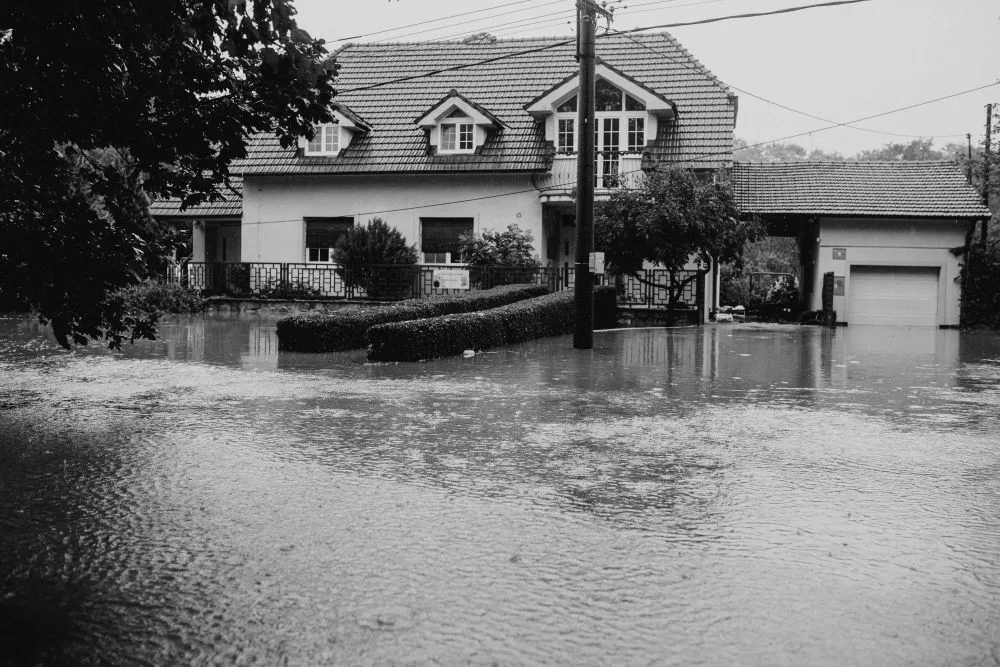
When water suddenly enters your home or business, the first day can make the difference between a manageable cleanup and long-term structural damage. Whether the cause is a burst pipe, storm flooding, or an appliance failure, quick and informed action helps limit repairs, control costs, and protect your health. Knowing what steps to take in the first 24 hours gives you a clear path forward during an otherwise stressful situation.
Prioritize Safety as Soon as Water Is Discovered
Before focusing on cleanup, make sure the environment is safe. Standing water can hide electrical hazards, weakened flooring, or contaminants. If there is significant flooding, shut off electricity to affected areas if it can be done safely. Avoid walking through water until you are confident there are no live outlets or submerged cords.
If the source of the water is plumbing-related, turn off the main water supply to stop additional flow. In cases involving stormwater or sewage backups, avoid direct contact and keep children and pets away. Wearing gloves and protective footwear can reduce exposure to bacteria and sharp debris.
Stop the Source and Document the Damage
Once immediate safety concerns are under control, identify and stop the source of the water if it is still active. This could mean tightening a fitting, shutting off a valve, or temporarily patching a leak until a professional arrives.
Before any major cleanup begins, document everything. Take clear photos and videos of soaked materials, standing water, and damaged belongings. This documentation is useful for insurance claims and provides a record of the initial condition. Create a simple inventory of damaged items as you go, noting their location and condition.
Begin Initial Water Removal and Drying
Removing excess water quickly helps prevent secondary damage such as swelling wood, warped flooring, and mold growth. Use towels, mops, wet vacuums, or portable pumps if available. Focus first on areas where water is deepest or spreading fastest.
After visible water is removed, improve air circulation. Open windows if the weather permits and use fans or dehumidifiers to reduce moisture in the air. The goal during the first 24 hours is not complete drying but slowing down moisture absorption. Even small steps at this stage can significantly limit damage.
Understand What Can Be Salvaged and What Cannot
Not all materials respond to water the same way. Hard surfaces like tile, concrete, and some sealed wood can often be dried and restored. Porous materials such as drywall, carpet padding, insulation, and upholstered furniture may trap moisture and begin to deteriorate quickly.
Avoid removing materials prematurely unless they are clearly unsalvageable or contaminated. Professional restoration teams can often dry structural components that might otherwise be discarded. In many local cases, homeowners rely on water damage restoration services in Pinellas County to assess which materials can be saved and which require replacement, reducing unnecessary loss.
Contact Your Insurance Provider and Restoration Professionals
Early communication with your insurance company helps keep the recovery process organized. Report the damage, share your documentation, and ask about coverage specifics. Some policies require prompt notification, so it is best not to delay.
Reaching out to restoration professionals within the first day is equally important. They have specialized equipment to detect hidden moisture, prevent mold growth, and stabilize the structure. Even if full restoration cannot start immediately, an early inspection can guide the next steps and prevent overlooked issues.
Avoid Common Mistakes During the First Day
In the rush to clean up, it is easy to make decisions that cause more harm. Avoid using household vacuums for water removal unless they are designed for wet use. Do not apply heat directly to wet areas, as rapid drying can cause warping or cracking. Also, avoid ignoring mild odors or dampness, which often indicate hidden moisture.
Taking a calm, methodical approach during the first 24 hours leads to better outcomes. Focus on safety, documentation, and controlled drying rather than rushing into cosmetic repairs.
Moving Forward After the Initial Response
The first day after water damage sets the tone for the entire restoration process. By acting quickly, understanding priorities, and involving professionals early, you reduce the risk of long-term damage and unexpected costs. While the situation may feel overwhelming, these initial steps help protect both your property and peace of mind as recovery begins.