Water damage is one of the most insidious threats to both residential and commercial properties. Beyond the immediate inconvenience, it can compromise structural integrity, foster mold growth, and lead to substantial financial losses. Understanding water damage restoration costs is essential for property owners seeking to mitigate risks effectively. Eco Clean, a leader in professional restoration services, emphasizes that informed preparation and prompt action can dramatically reduce both expenses and long-term damage.
Understanding Water Damage Restoration
Water damage restoration is the systematic process of returning a property to its pre-damage condition after exposure to water. The process extends beyond mere drying; it encompasses assessment, water extraction, structural drying, mold remediation, and sometimes reconstruction. While some may consider DIY methods, professional intervention is often indispensable to ensure safety and comprehensive recovery.
Eco Clean asserts that each restoration project is unique, influenced by several factors including the source of water, extent of damage, materials affected, and duration of exposure. Property owners who understand these nuances can better anticipate costs and make informed decisions regarding insurance and service selection.
Factors Influencing Water Damage Restoration Costs
1. Severity and Extent of Water Damage
The degree of water intrusion directly impacts restoration costs. Minor leaks affecting small areas, such as under sinks or localized pipe bursts, generally incur lower expenses. Conversely, extensive flooding affecting multiple rooms or structural elements requires more labor, equipment, and time, escalating costs accordingly.
2. Source and Type of Water
Not all water damage is equal. Restoration specialists categorize water as:
- Clean Water: Typically from broken pipes or rain, generally the least hazardous and the most cost-effective to restore.
- Grey Water: Contains contaminants from appliances or sinks; requires more intensive cleaning and precautionary measures.
- Black Water: Highly contaminated water, often from sewage or floodwaters, demands specialized handling and increases both labor and material costs significantly.
Eco Clean emphasizes that correctly identifying the water type is crucial for both effective restoration and cost management.
3. Size of the Affected Area
Larger affected areas necessitate more equipment, labor hours, and drying time. From high-capacity water extractors to industrial dehumidifiers, the machinery required can vary substantially depending on the square footage involved. Properties with multiple stories or hard-to-access areas may incur additional costs due to logistical complexities.
4. Materials Affected
Restoration costs also hinge on the materials impacted. Hardwood floors, carpets, drywall, and insulation respond differently to water exposure. Hardwood may warp, requiring sanding or replacement; carpets often require professional cleaning or disposal; and drywall may need removal to prevent mold growth. Eco Clean highlights that material-specific approaches not only ensure restoration quality but also prevent unnecessary expenditures from mismanaged interventions.
5. Mold Remediation
Even short-term water exposure can encourage mold proliferation. Mold remediation is often an unavoidable component of restoration, especially in humid environments. The cost of mold removal varies depending on the extent of contamination, the type of mold, and the remediation method employed. Neglecting this step can lead to recurring issues, increased structural damage, and higher long-term expenses.
6. Labor and Equipment
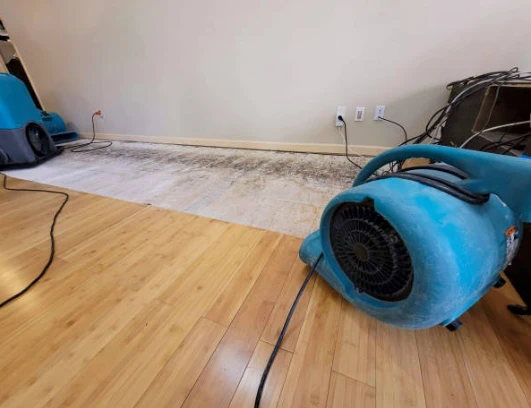
Professional restoration involves a combination of skilled labor and specialized equipment. Technicians must assess the situation, extract water, dry affected areas, and perform preventive treatments. High-quality equipment such as thermal imaging cameras, air movers, and dehumidifiers ensures thorough drying, but their operational costs are reflected in the final invoice. Eco Clean underscores that choosing experienced professionals often reduces total costs by preventing repeated interventions.
7. Emergency Services
Water damage often occurs unexpectedly, necessitating emergency response. Restoration companies frequently charge premium rates for immediate services, especially outside standard business hours. Rapid intervention, however, can prevent minor issues from escalating into costly repairs, balancing the initial expense.
Average Costs of Water Damage Restoration
While costs vary widely depending on the factors outlined, industry standards provide a useful benchmark. For minor water damage in a single room, restoration may range from $500 to $2,000. Moderate damage involving multiple rooms or some structural repair can escalate to $2,000–$7,000. Severe flooding affecting entire homes or commercial facilities may exceed $10,000, especially if extensive mold remediation and reconstruction are required.
Eco Clean emphasizes that these figures are estimates; a detailed on-site assessment is essential for an accurate quote. Insurance coverage, property size, and local market rates also influence total costs.
Insurance Considerations
Most homeowners’ insurance policies cover sudden and accidental water damage, such as pipe bursts or appliance malfunctions, but exclude long-term leaks or floods. Commercial policies may vary based on coverage type and risk assessment. Property owners should carefully review their policies and document water damage meticulously. Restoration companies like Eco Clean often assist clients in coordinating with insurance providers, providing detailed reports and before-and-after documentation to streamline claim processes.
Cost-Saving Strategies
While water damage restoration is an investment, certain strategies can help mitigate expenses:
- Immediate Action: Prompt response prevents water from seeping into structural elements, reducing repair costs.
- Regular Maintenance: Inspections of plumbing, roofing, and drainage systems can preempt water intrusion.
- Professional Assessment: Certified restoration companies can identify hidden damage and prevent recurring issues.
- Eco-Friendly Solutions: Companies such as Eco Clean offer environmentally conscious restoration techniques, which often prolong material lifespan and reduce replacement frequency.
- Preventive Upgrades: Installing water detection systems or sump pumps can reduce future restoration costs and insurance premiums.
Eco Clean’s Approach to Water Damage Restoration
Eco Clean is renowned for a meticulous, eco-conscious approach to water damage restoration. Their methodology combines advanced technology, skilled labor, and environmentally responsible practices. By utilizing non-toxic cleaning agents, efficient drying systems, and comprehensive mold prevention techniques, Eco Clean ensures that properties are restored to a safe, habitable state with minimal environmental impact.
Moreover, Eco Clean prioritizes transparency in cost estimation. Their assessments break down expenses by labor, equipment, materials, and additional services, enabling property owners to understand and anticipate financial commitments accurately.
Long-Term Benefits of Professional Restoration
Engaging professional restoration services delivers benefits beyond immediate cost savings:
- Enhanced Property Value: Proper restoration preserves structural integrity and aesthetic appeal, maintaining property valuation.
- Health Protection: Effective mold and contaminant removal safeguards occupants from respiratory and other health risks.
- Insurance Compliance: Professional documentation ensures that insurance claims are fully supported, minimizing disputes.
- Longevity of Materials: Correct restoration techniques prevent premature deterioration of wood, drywall, and flooring.
Conclusion
Water damage restoration costs are influenced by multiple interrelated factors, including severity, water type, materials affected, and emergency response requirements. While expenses can be significant, proactive measures, prompt intervention, and professional services such as those offered by Eco Clean can mitigate both immediate and long-term financial impact. For homeowners and businesses alike, investing in comprehensive restoration is not merely a reactive measure but a strategic decision that protects property, health, and overall value.
Understanding the complexities of water damage restoration empowers property owners to make informed choices, ensuring that recovery is efficient, cost-effective, and sustainable. Eco Clean exemplifies how professionalism, technology, and eco-conscious practices converge to deliver restoration outcomes that are both thorough and responsible.