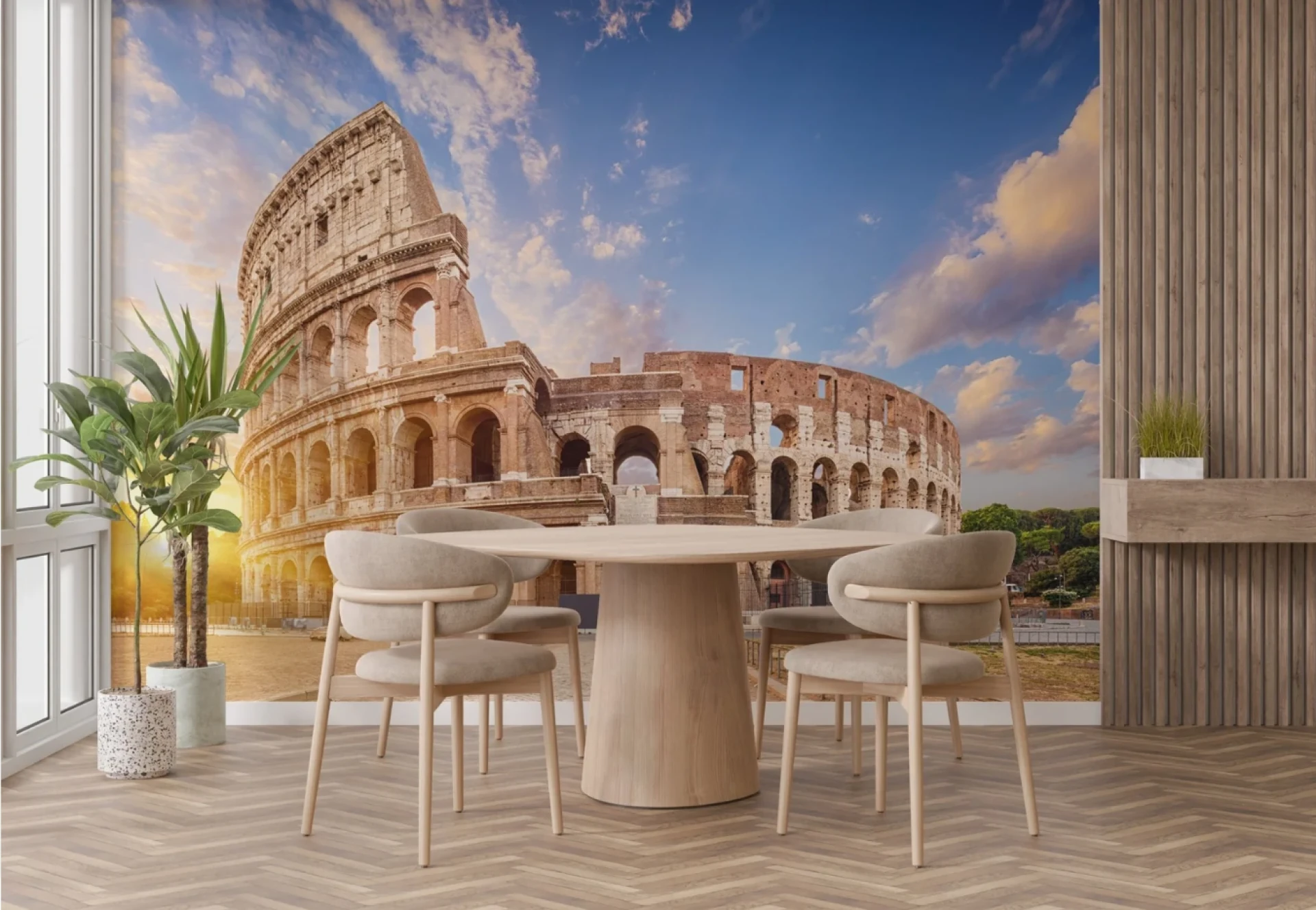
Interior preferences continue to shift, but one noticeable pattern is the return of timeless aesthetics. Homeowners and renters alike are now moving beyond minimal, flat looks and embracing layered, character-rich spaces. This shift reflects a deeper desire for authenticity, storytelling, and emotional connection within living environments.
One of the most effective ways to introduce that sense of history is through vintage wallpaper, which brings depth, nostalgia, and visual interest into a space without requiring structural changes. Unlike fast-moving trends, vintage-inspired surfaces often carry motifs that have stood the test of time—florals, damasks, botanical sketches, and intricate repeats that instantly create a sense of familiarity.
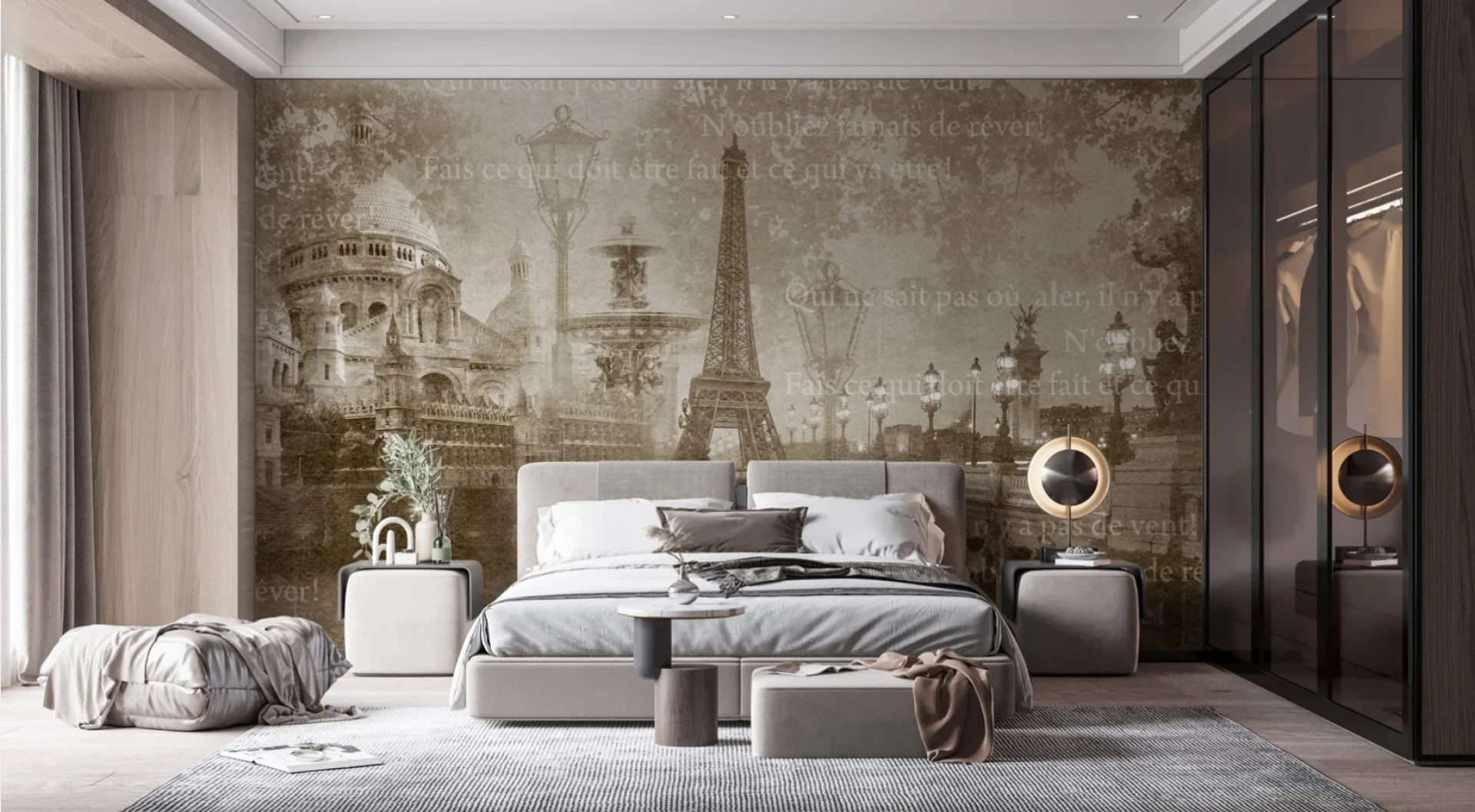
A key advantage lies in versatility. Vintage-inspired designs can work across multiple
environments—bedrooms, reading corners, dining spaces, or even small accent areas. They do not demand a full room overhaul. Instead, they function effectively as feature elements, helping users create a focal point that feels curated rather than overdone.
Another factor contributing to this trend is the rise of flexible living. With more people renting or frequently updating their interiors, there is a growing need for solutions that are both stylish and practical. Modern production techniques now allow traditional patterns to be reintroduced in formats that are easier to install and remove, without compromising visual quality.
Color psychology also plays a role. Vintage palettes often include muted tones, earthy shades, and softened contrasts, which naturally create a calming atmosphere. These colors are less aggressive than high-saturation modern trends, making them suitable for long-term use without causing visual fatigue.
From a usability standpoint, homeowners are prioritizing materials that align with everyday convenience. Easy application, low maintenance, and clean removal are now standard expectations. When traditional aesthetics meet these functional benefits, it results in a product category that appeals to both design-conscious users and practical decision-makers.
Additionally, the storytelling aspect cannot be ignored. Spaces designed with historical references tend to feel more personal. They move away from generic styling and instead reflect individual taste. This aligns strongly with current consumer expectations, where personalization is valued over uniformity.
In conclusion, the renewed interest in vintage-inspired interiors is not just a passing phase. It is backed by a combination of aesthetic value, functional improvements, and evolving lifestyle needs. By integrating classic patterns into modern settings, users can achieve a balanced look that feels both grounded and relevant.