
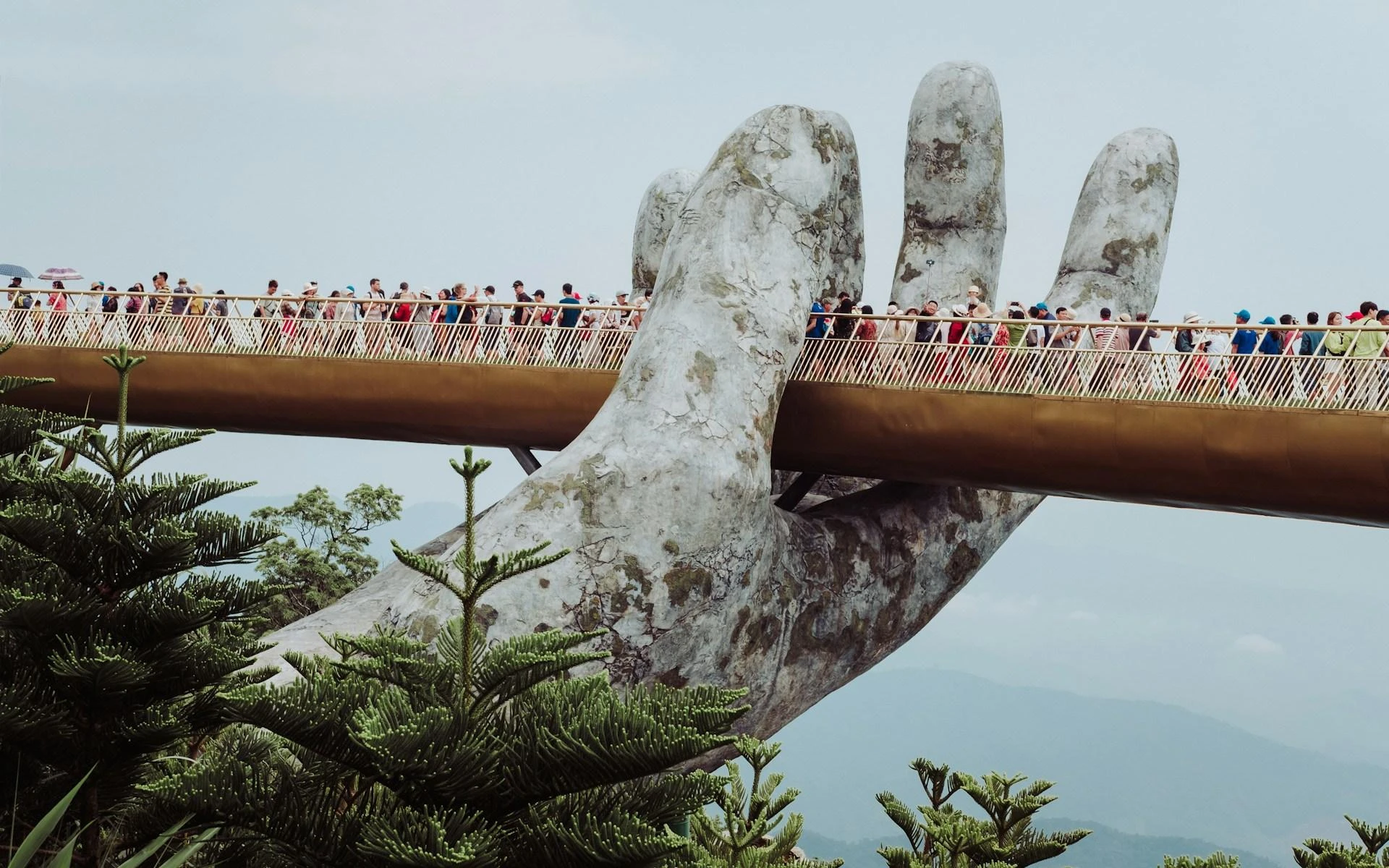
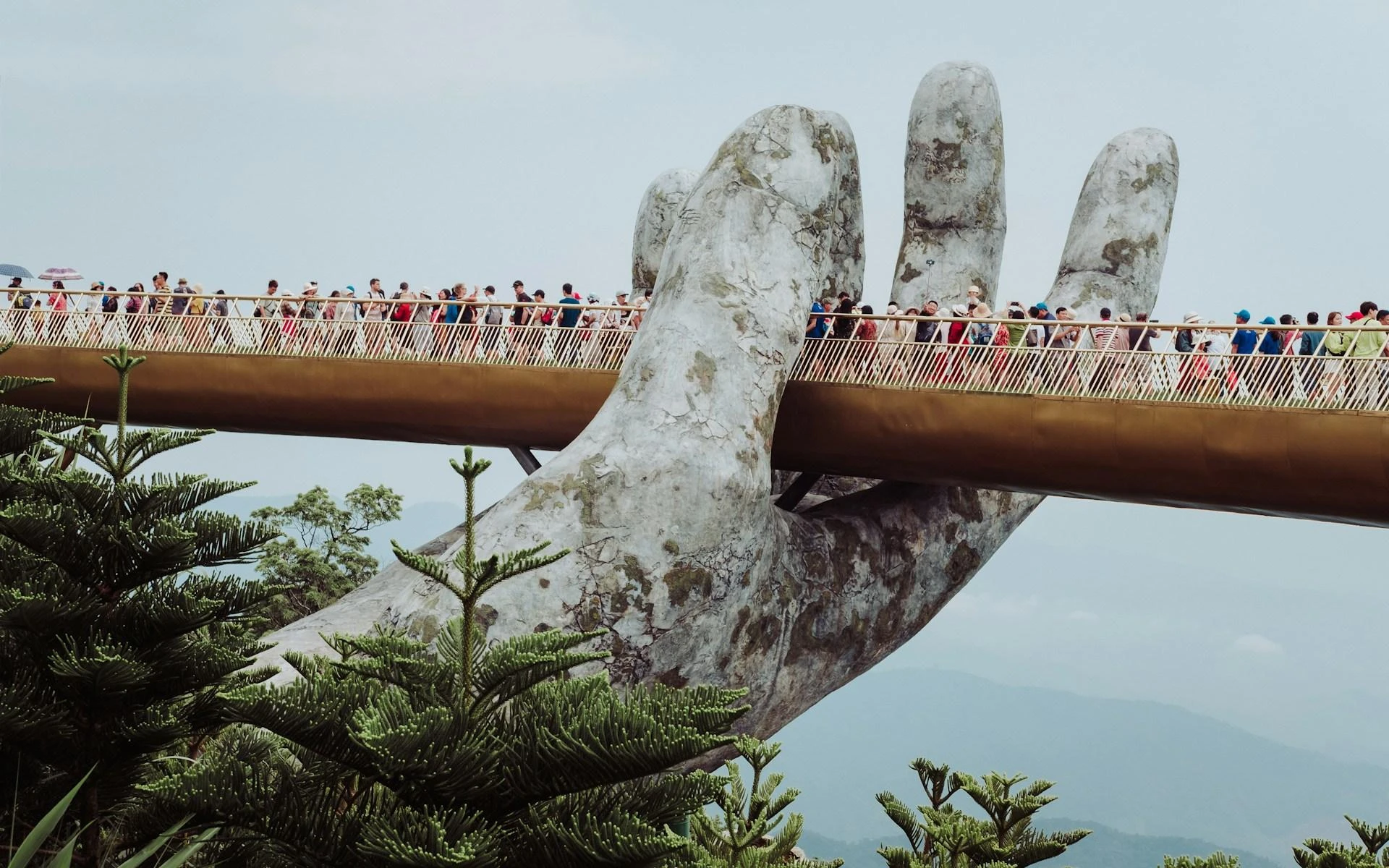
If you have been dreaming of misty limestone karsts, golden lantern-lit streets, steaming bowls of pho, and ancient temples draped in history, then a Vietnam 7 day itinerary is the perfect way to experience one of Southeast Asia's most captivating destinations.
Vietnam stretches over 1,600 kilometres from north to south, offering an incredible diversity of landscapes, cultures, and cuisines within a single country. While seven days may feel short, a well-planned Vietnam 7 day itinerary allows you to experience the very best this nation has to offer, from the bustling capital of Hanoi to the serene waterways of Ha Long Bay, the heritage streets of Hoi An, and the electric energy of Ho Chi Minh City.
This complete guide is designed to help you make the most of every day, whether you are a solo traveller, a couple, or a family exploring Vietnam for the first time.
Day 1 and Day 2: Hanoi, The Soul of the North
Your Vietnam 7 day itinerary begins in Hanoi, the capital city and cultural heartbeat of the country. Arrive a day early if possible to beat jet lag and settle into the atmospheric Old Quarter, where narrow streets are named after the trades once practised on them.
On your first full day, visit Hoan Kiem Lake and the iconic Ngoc Son Temple, which sits on a small island connected to the shore by a bright red wooden bridge. From there, explore the winding alleys of the Old Quarter on foot. Street food is a religion here. Do not miss bun cha, a grilled pork noodle dish made famous when Anthony Bourdain dined on it with Barack Obama in 2016.
On day two, visit the Ho Chi Minh Mausoleum complex, the Temple of Literature, which is Vietnam's first national university founded in 1070, and the Vietnam Museum of Ethnology for a deeper understanding of the country's 54 ethnic groups. In the evening, catch a traditional water puppet show, a uniquely Vietnamese art form that dates back to the eleventh century.
Best area to stay in Hanoi: The Old Quarter for atmosphere and convenience.
Day 3: Ha Long Bay, A UNESCO World Wonder
No Vietnam 7 day itinerary is complete without Ha Long Bay. Located roughly 170 kilometres east of Hanoi, this UNESCO World Heritage Site is home to over 1,600 limestone islands and islets rising dramatically from the emerald waters of the Gulf of Tonkin.
Book an overnight cruise for the best experience. Most reputable cruises depart in the morning, giving you an afternoon to kayak through hidden caves, swim in secluded lagoons, and watch the sun set behind towering karst formations. Waking up on the water with morning mist drifting between the islands is an experience that stays with you long after you leave Vietnam.
Travel Tip: Choose a mid-range or luxury cruise for better food quality, smaller group sizes, and more comfortable cabins. Budget cruises often cut corners on both safety and experience.
Day 4: Travel South to Hoi An
After returning from Ha Long Bay, take a domestic flight from Hanoi to Da Nang. The flight takes approximately one hour and twenty minutes. From Da Nang airport, it is a thirty-minute taxi or private transfer to Hoi An, one of the most beautifully preserved ancient trading ports in Southeast Asia and another UNESCO World Heritage Site.
Hoi An's Ancient Town is a living museum of yellow-washed merchant houses, ornate assembly halls built by Chinese traders, and centuries-old Japanese covered bridges. Spend your afternoon simply wandering the car-free streets, browsing tailors and silk shops, and sipping Vietnamese coffee on a riverside terrace.
In the evening, join the nightly lantern release on the Thu Bon River. Hundreds of glowing paper lanterns float down the water each night, creating one of the most romantic and memorable sights in all of Southeast Asia.
Day 5: Hoi An, Beaches and Cooking Classes
Dedicate a full day to Hoi An and its surroundings. In the morning, rent a bicycle and ride the eight kilometres to An Bang Beach or Cua Dai Beach for a few hours of relaxation on the South China Sea coast.
Return to town in the afternoon for a Vietnamese cooking class, one of the most popular and rewarding experiences in Hoi An. Most classes begin with a visit to the local market to select fresh ingredients, followed by hands-on preparation of classic dishes like white rose dumplings, cao lau noodles, and fresh spring rolls. These are dishes unique to Hoi An and cannot be authentically recreated anywhere else in the world.
In the evening, treat yourself to dinner at one of the many highly rated restaurants along the riverside. Hoi An is widely considered to have some of the best food in Vietnam, which is saying a great deal in a country where food is considered an art form.
Day 6: Ho Chi Minh City, Vietnam's Dynamic South
Fly from Da Nang to Ho Chi Minh City, formerly known as Saigon, in approximately one hour and twenty minutes. Ho Chi Minh City is Vietnam's largest and most economically powerful city, a place where French colonial boulevards meet gleaming skyscrapers and where the energy of ten million people fills every street at every hour of the day.
Begin with the War Remnants Museum, one of the most sobering and important museums in Asia, which documents the Vietnam War from the Vietnamese perspective. From there, visit the Reunification Palace, the former presidential palace where the Vietnam War effectively ended on April 30, 1975, and the stunning Notre-Dame Cathedral Basilica of Saigon, built entirely from materials imported from France between 1863 and 1880.
Spend your evening in the Bui Vien Walking Street for a taste of Saigon's legendary nightlife, or explore the rooftop bars in District 1 for skyline views over the city.
Day 7: Cu Chi Tunnels and Departure
On your final day of this Vietnam 7 day itinerary, take a morning half-day tour to the Cu Chi Tunnels, located approximately 40 kilometres northwest of the city. This extraordinary network of underground tunnels stretches over 250 kilometres and was used by Viet Cong soldiers as a base of operations, living quarters, and supply routes during the Vietnam War.
Visitors can crawl through sections of the tunnels that have been widened slightly for tourists, giving a powerful sense of the ingenuity and sacrifice that defined this period of Vietnamese history.
Return to the city for a final lunch of banh mi, arguably the world's greatest sandwich, a legacy of French colonialism filled with Vietnamese flavours. Do some last-minute souvenir shopping in Ben Thanh Market before heading to Tan Son Nhat International Airport for your departure.
Essential Tips for Your Vietnam 7 Day Itinerary
Visa: Most nationalities can obtain a Vietnam e-visa online. Apply at least five business days before travel.
Best time to visit: February to April offers the most favourable weather across all three regions covered in this itinerary.
Currency: The Vietnamese Dong is the local currency. ATMs are widely available but withdraw larger amounts to reduce transaction fees.
Transport: Domestic flights are affordable and reliable. Grab, the Southeast Asian ride-hailing app, works well in Hanoi and Ho Chi Minh City.
Health: Drink only bottled or filtered water. Carry basic medication including anti-diarrhoeals, as street food, while delicious, can occasionally cause stomach upsets for first-time visitors.
Final Thoughts
A Vietnam 7 day itinerary covering Hanoi, Ha Long Bay, Hoi An, and Ho Chi Minh City gives you a genuine cross-section of this remarkable country, from its ancient traditions and painful modern history to its extraordinary natural beauty and world-class cuisine. Seven days is enough to fall deeply in love with Vietnam and more than enough to convince you that you need to come back for longer.
Start planning today. Vietnam is waiting.