
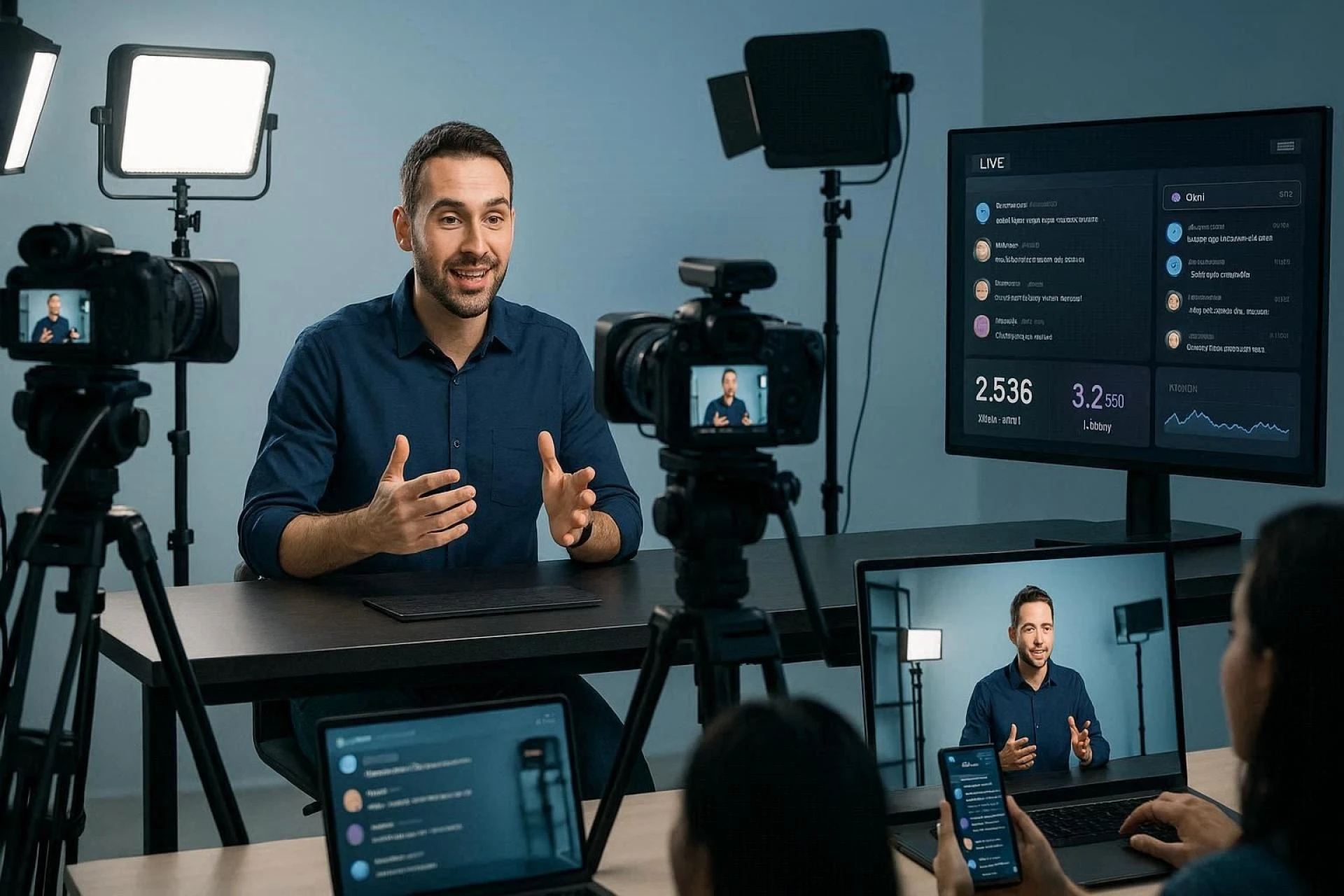
Live video is no longer a side project. As we approach 2026, it’s becoming the backbone of product launches, virtual events, education, and even customer support. Audiences now expect to watch, react, and buy in real time—on any device, from anywhere.
For brands and creators, that means it’s time to treat real‑time video like core infrastructure, not just another content format.
Why Live Video Is Now the Default
Three major shifts are driving live adoption:
- Attention is shorter. People want to see what matters now, not sift through endless feeds.
- Trust is earned live. Unedited streams, live Q&As, and real‑time demos feel more authentic than polished ads.
- Commerce is happening on-screen. Shoppable streams and live product drops move viewers straight from interest to purchase.
A dedicated Video Live Streaming setup lets you move quickly: spin up live events, simulcast to multiple channels, and keep ownership of your data and audience.
What Viewers Expect from Live in 2026
Simply hitting “go live” isn’t enough anymore. Viewers expect:
- Instant start and minimal lag – no spinning loader or long delays.
- Consistent quality – adaptive bitrate that holds up on weak mobile networks.
- Interaction – live chat, polls, reactions, and on‑screen questions.
- Device freedom – seamless playback on phones, tablets, laptops, smart TVs, and in‑app.
- Replay options – instant VOD versions and highlight clips after the event.
If your live experience feels clunky or one‑way, your audience will quietly drift to creators and brands who treat real‑time viewing as a polished product.
Latency: The Invisible Deal‑Breaker
Latency used to be a “developer problem.” In 2026, it’s a user experience problem. A 20–30 second delay might not sound huge on paper, but it breaks immersion when:
- Fans get spoiler alerts from social media before seeing the goal or big moment.
- Viewers answer a poll and don’t see results or host reactions until much later.
- Live shopping customers click “buy” out of sync with limited‑time offers.
Partnering with a low latency streaming service helps keep interactions feeling truly live, especially for sports, esports, live betting, auctions, hybrid events, and high‑stakes launches.
Practical Use Cases You Can Launch Now
You don’t need a stadium‑size audience to justify a serious live setup. Some high‑impact ways organizations are using real‑time video today:
- Product reveals & demos – Live walkthroughs, Q&A, and behind‑the‑scenes looks.
- Live commerce sessions – Hosts showcase items with in‑stream purchase options.
- Virtual conferences & town halls – Global access with on‑demand replays.
- Education & onboarding – Live classes, workshops, and customer training.
- Community content – AMAs, member‑only streams, and recurring shows.
Each session can be clipped, repurposed, and woven into your broader content ecosystem.
Choosing a Future‑Ready Live Stack
When you evaluate platforms, think beyond short‑term campaigns and ask: “Can this support our live strategy for the next 3–5 years?” Look for:
- Ultra‑low latency with stable global delivery
- Built‑in engagement tools and moderation
- Flexible monetization options (PPV, subscriptions, sponsorships, tipping)
- Deep analytics on viewer behavior and retention
- White‑label experiences that keep your brand front and center
This combination turns live from a marketing experiment into a repeatable growth engine.
Getting Ready for 2026: Start Small, Iterate Fast
You don’t need a full‑blown studio to begin. Start with one or two recurring formats, promote them consistently, listen to feedback, and refine from there.
The organizations that win with live in 2026 will be the ones who show up consistently, respect their audience’s time, and craft real‑time experiences that feel seamless, interactive, and truly “in the moment.”