There’s a pattern you start noticing when you look closely at antibiotic use—two people take the same medicine, but their outcomes don’t match.
One recovers smoothly. The other struggles with lingering symptoms, delayed improvement, or even recurrence.
It’s easy to assume the antibiotic didn’t work. But more often, the issue isn’t the drug—it’s everything around it.
The “Right Drug, Wrong Situation” Problem
Antibiotics are often used based on symptoms instead of confirmed bacterial causes. That’s where the mismatch begins.
Conditions like:
- Viral throat infections
- Seasonal flu
- Non-bacterial inflammation
don’t respond to antibiotics at all. Yet they’re frequently treated as if they do.
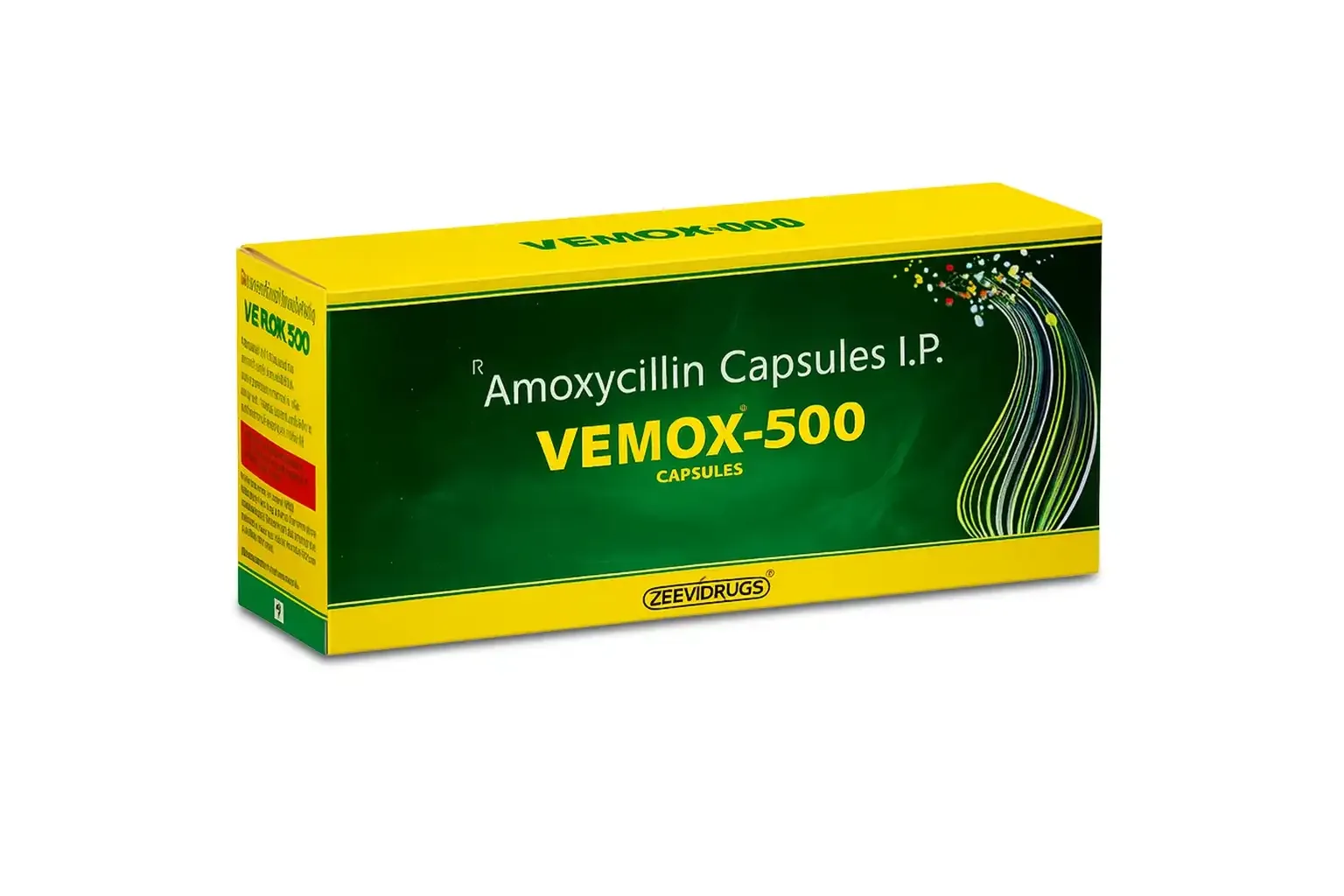
Choosing a targeted amoxicillin based treatment only makes sense when bacterial involvement is clear. If you’re trying to understand where this fits in actual treatment scenarios, this overview of Vemox 500mg explains its role in infection-specific use.
Micro-Behaviors That Quietly Affect Treatment
Most people focus on big mistakes like skipping the entire course. But smaller, everyday behaviors matter just as much.
Things like:
- Taking doses at inconsistent times
- Combining with food habits that affect absorption
- Ignoring early mild side effects and adjusting intake
These don’t seem significant individually—but together, they influence how effectively the antibiotic performs inside the body.
There’s a detailed explanation of how these small patterns impact drug performance in this complete Vemox 500mg PDF guide, especially in relation to real-life usage habits rather than textbook instructions.
Why Some Recoveries Feel “Incomplete”
A common complaint isn’t that the antibiotic didn’t work—but that it didn’t work completely.
Symptoms reduce, but don’t disappear fully. Or they return after a short gap.
This usually happens when:
- Bacterial load is reduced but not eliminated
- Treatment duration isn’t fully followed
- The infection type requires longer exposure
This creates a false impression of partial effectiveness, when in reality the process was interrupted too early.
Speed vs Stability: A Trade-Off Most People Miss
People often expect antibiotics to act fast. And while some symptom relief does come early, stable recovery is a different thing altogether.
Fast relief depends on:
- Initial bacterial sensitivity
- Drug absorption efficiency
Stable recovery depends on:
- Consistent drug levels
- Complete bacterial eradication
Confusing the two leads to premature decisions—especially stopping medication once things start to feel better.
The Role of Broader Treatment Awareness
Another overlooked factor is lack of awareness about alternative or complementary treatments within the same category.
Not every infection requires the same antibiotic strength or spectrum. Sometimes a different approach within the same category is more suitable.
If you’re exploring how different antibacterial options are structured, you can explore antibiotic treatments for bacterial infections to see how various solutions are positioned based on infection type and severity.
Resistance Builds Through Patterns, Not Isolated Cases
Antibiotic resistance isn’t caused by one mistake—it’s the result of repeated patterns.
- Taking antibiotics unnecessarily
- Not maintaining dosing discipline
- Interrupting treatment cycles
Each instance adds a small layer of resistance risk. Over time, this changes how well standard treatments perform—not just for individuals, but at a larger scale.
Final Perspective: Effectiveness is a System, Not a Single Factor
Vemox 500mg isn’t just about the drug—it’s about how the entire system around it functions.
From diagnosis to dosing habits, everything plays a role in determining whether the outcome is:
- Fast and complete
- Slow but stable
- Or inconsistent and recurring
When used correctly, outcomes tend to align. When small gaps exist, results start to vary.
That’s the difference most people overlook.