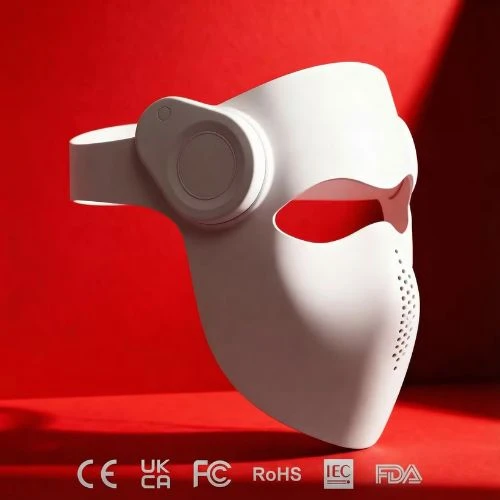
Learn what a VCSEL laser face mask does, how it differs from LED masks, key benefits for wrinkles and acne, and safe at-home use.
If you’re searching for a VCSEL laser face mask, you’re usually trying to answer three things: what it is, what it helps, and whether it’s safe and worth your time. Let’s walk through it in a simple, practical way, so you can make a confident decision.
VCSEL laser face mask: What it is and why VCSEL matters
A VCSEL laser face mask uses “vertical-cavity surface-emitting lasers” (VCSELs). In plain terms, VCSELs are tiny laser sources designed to deliver light in a more focused way than many standard LED masks.
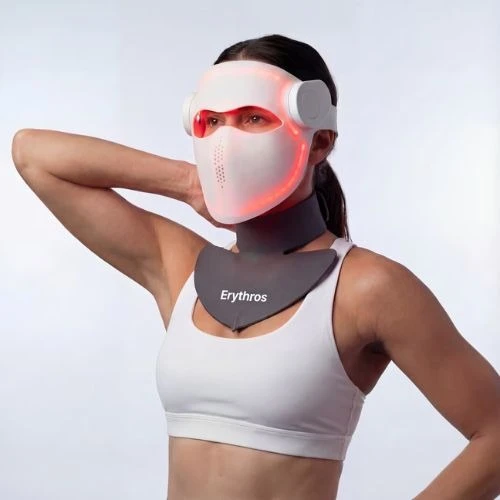
On the ErythrosLight site, the Laser Pro Mask is described as using 164 medical-grade VCSEL lasers, designed to deliver “precise wavelengths” and a focused beam compared with LED light that scatters more widely.
VCSEL laser face mask benefits: What people use it for
Most people look at a VCSEL laser face mask for skin goals like:
- Smoother texture and glow (dullness, rough patches)
- Fine lines and wrinkles
- Acne and post-acne texture
- Overall firmness and “tired skin” look
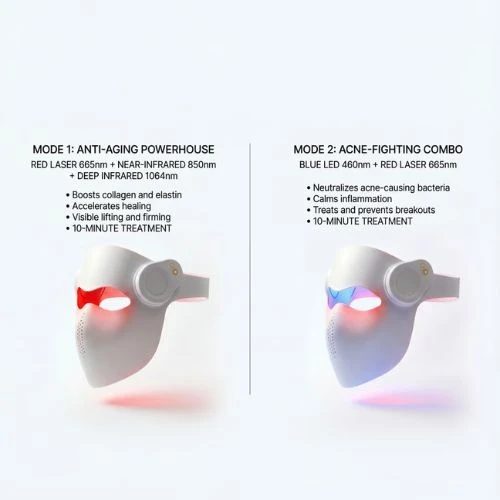
ErythrosLight positions its laser mask for wrinkles and acne, and highlights quick routines like a 10-minute daily treatment plus hands-free use features (wireless and voice-controlled).
Quick checklist (skim-friendly):
- A VCSEL laser face mask is usually chosen for deeper, more targeted light delivery than LED-style masks.
- A VCSEL laser face mask routine is typically short (the Erythros mask is described as 10 minutes daily).
VCSEL laser face mask vs LED mask: The real difference
This is the part most buyers care about.
A VCSEL laser face mask is a laser-based device, and laser light is typically described as more focused (coherent) than LED light, which tends to be broader and more scattered.
ErythrosLight specifically claims LED can scatter widely (they cite 120°) while laser delivers a narrower, more focused beam (they cite 18°), which they link to better delivery to the target tissue.
What that means for you in real life:
- If your main frustration with LED masks is “I used it forever and didn’t notice much,” a VCSEL laser face mask is often marketed as a more direct, higher-delivery approach.
- If you’re consistent already, a VCSEL laser face mask may fit better when you want a shorter routine and a more “clinic-style” light category at home.
VCSEL laser face mask routine: How to use it at home (simple steps)
A VCSEL laser face mask only works if you use it consistently and safely. Here’s a clear at-home flow based on typical device guidance and the ErythrosLight positioning (short, regular sessions):
- Start with clean, dry skin. Remove makeup and sunscreen so the light isn’t blocked by residue.
- Use it before heavy creams. If you apply thick occlusives first, you may reduce the light reaching the skin.
- Keep sessions short and steady. The Erythros mask is positioned as a 10-minute daily treatment, which is easier to stick to than long sessions.
- Don’t mix strong actives immediately after. If your skin is sensitive, wait a bit before applying strong acids or retinoids the same night.
- Track one or two goals only. With a VCSEL laser face mask, pick a primary goal (wrinkles or acne/texture) so you can judge changes more clearly.
If you want the exact device experience that matches this type of routine, here’s the product page for the VCSEL laser face mask.
VCSEL laser face mask safety: Who should be careful
A VCSEL laser face mask is still a light-based device, so it’s smart to be cautious in a few situations:
- If you have a medical eye condition or you’re very light-sensitive
- If you’re on photosensitizing medications (some antibiotics and acne meds can do this)
- If you have a skin condition that flares with light
- If you recently had a procedure (peels, lasers, microneedling), wait until skin is calm
Some brands emphasize safety-by-design features (like avoiding the eye area), but you should still treat eye comfort seriously and follow device instructions closely.
Frequently Asked Questions
Is a VCSEL laser face mask safe for home use?
Many at-home laser masks are designed for home use with built-in safety features, but you should follow the manufacturer instructions and be cautious if you’re light-sensitive.
How is a VCSEL laser face mask different from an LED face mask?
Laser light is typically more focused and coherent, while LED light is broader and more scattered. Brands often link this to deeper or more targeted delivery.
When will I see results from a VCSEL laser face mask?
It depends on consistency and your goal. ErythrosLight claims laser results can show in 1–2 weeks and highlights “visible results in 14 days” on its site.
Can a VCSEL laser face mask help acne and texture?
Many people use these masks for acne and uneven texture. ErythrosLight specifically markets its mask for wrinkles and acne and ties it to cellular-level targeting.
Do I need eye protection with a VCSEL laser face mask?
It depends on the device design. Some laser-mask brands claim they avoid the eye area, but if you feel discomfort or have eye concerns, treat that seriously and follow the device guidance.
How often should I use a VCSEL laser face mask?
Some laser masks are marketed for short daily sessions (ErythrosLight positions 10 minutes daily), while many LED-mask routines are often discussed as several times per week. Always follow your device’s instructions.
Conclusion: Is a VCSEL laser face mask worth it?
A VCSEL laser face mask can make sense if you want a focused, at-home device you’ll use consistently for acne support, smoother-looking skin, or an overall more even look. The smartest approach is simple: follow instructions, start gently, keep your routine calm, and measure results with weekly photos. If you do that, you’ll know whether a VCSEL laser face mask is helping your skin in a real, visible way.