
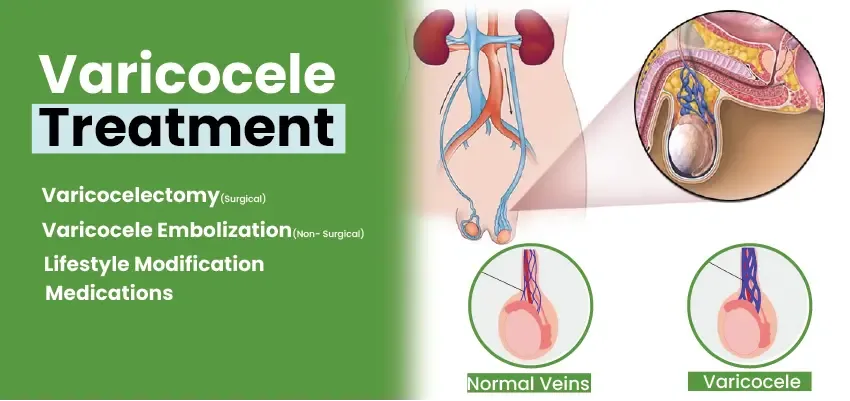
A varicocele is a common medical condition that affects the veins inside the scrotum. It occurs when the veins known as the pampiniform plexus become enlarged and twisted, similar to varicose veins that develop in the legs. Varicoceles are one of the leading causes of male infertility and may also cause pain, swelling, or shrinking of the testicles.
Although many men with varicocele experience no symptoms, the condition can affect sperm production and testosterone levels over time. Fortunately, modern medical treatments offer highly effective solutions, ranging from lifestyle changes to minimally invasive surgeries.
This article provides a complete overview of varicocele, including its causes, symptoms, diagnosis, complications, and available treatment options.
What Is a Varicocele?
A varicocele is the abnormal enlargement of veins within the scrotum. These veins are responsible for carrying blood away from the testicles. When the valves inside these veins fail to function properly, blood pools inside them, causing swelling and enlargement.
Varicoceles usually develop slowly and are most commonly found on the left side of the scrotum because of the unique anatomy of the veins in that area.
Key Facts About Varicocele
- Common in males between 15 and 35 years old
- Affects around 15% of adult men
- Found in nearly 40% of men with infertility issues
- Usually develops during puberty
- Can occur on one or both sides
Causes of Varicocele
The exact cause of varicocele is not always clear, but it is generally linked to faulty valves inside the veins of the spermatic cord.
Common Causes and Risk Factors
1. Faulty Vein Valves
Normally, tiny valves inside veins ensure blood flows in one direction. When these valves malfunction, blood flows backward and accumulates in the veins.
2. Increased Pressure in the Veins
Pressure inside abdominal or pelvic veins can enlarge scrotal veins over time.
3. Anatomical Differences
The left testicular vein drains differently than the right vein, making left-sided varicoceles more common.
4. Genetics
A family history of varicose veins or vein-related disorders may increase the risk.
Symptoms of Varicocele
Many men do not notice any symptoms. In some cases, the condition is discovered during fertility evaluations or routine physical examinations.
Common Symptoms
- Dull or aching pain in the scrotum
- Visible enlarged veins
- Feeling of heaviness in the testicles
- Swelling in the scrotum
- Pain that worsens after standing or exercise
- Shrinking of the affected testicle
- Fertility problems
Grades of Varicocele
Doctors classify varicoceles into different grades based on severity.
Grade 1
Small varicocele detectable only during a special examination called the Valsalva maneuver.
Grade 2
Moderate varicocele that can be felt during physical examination.
Grade 3
Large varicocele visible through the skin and easily felt.
How Varicocele Affects Fertility
Varicocele is one of the most common reversible causes of male infertility.
Effects on Fertility
Increased Testicular Temperature
The enlarged veins raise the temperature around the testicles, which negatively affects sperm production.
Reduced Sperm Quality
Varicocele can lead to:
- Low sperm count
- Poor sperm motility
- Abnormal sperm shape
Hormonal Imbalance
The condition may interfere with testosterone production.
Oxidative Stress
Poor blood circulation may increase harmful oxidative stress in testicular tissue.
Diagnosis of Varicocele
A healthcare provider can usually diagnose varicocele through physical examination and imaging tests.
Physical Examination
The doctor examines the scrotum while the patient stands and may ask the patient to perform the Valsalva maneuver.
Scrotal Ultrasound
Ultrasound is the most accurate imaging test for confirming varicocele. It helps assess:
- Enlarged veins
- Blood flow
- Testicular size
Semen Analysis
For men with fertility concerns, semen analysis checks sperm count, motility, and quality.
Hormone Testing
Blood tests may evaluate testosterone and reproductive hormones.
Complications of Untreated Varicocele
If left untreated, varicocele can lead to several complications.
Possible Complications
- Male infertility
- Chronic scrotal pain
- Testicular atrophy (shrinkage)
- Low testosterone levels
- Psychological stress due to infertility
Treatment Options for Varicocele
Treatment depends on:
- Severity of symptoms
- Fertility goals
- Pain levels
- Age of the patient
Not all varicoceles require treatment. Mild cases without symptoms may only need monitoring.
Non-Surgical Treatments
1. Observation and Monitoring
Doctors may recommend regular follow-ups if:
- There is no pain
- Fertility is unaffected
- Testicular growth is normal
2. Pain Management
Mild discomfort can often be managed with:
- Over-the-counter pain medications
- Wearing supportive underwear
- Avoiding prolonged standing
- Limiting heavy lifting
Surgical Treatments for Varicocele
Surgery is recommended when varicocele causes:
- Infertility
- Persistent pain
- Testicular shrinkage
- Abnormal semen analysis
1. Varicocelectomy
Varicocelectomy is the most common surgical treatment.
Procedure
The surgeon ties off the enlarged veins to redirect blood flow into healthy veins.
Types of Varicocelectomy
Open SurgeryPerformed through a small incision in the groin.
Microsurgical VaricocelectomyUses a microscope for higher precision and fewer complications.
Laparoscopic SurgeryPerformed using tiny instruments inserted through small abdominal incisions.
Benefits
- Improved sperm quality
- Relief from pain
- Better fertility outcomes
- Minimal recovery time
Risks
- Infection
- Fluid buildup (hydrocele)
- Recurrence
- Injury to nearby structures
Varicocele Embolization
Varicocele embolization is a minimally invasive alternative to surgery.
Procedure
A radiologist inserts a catheter into a vein and blocks abnormal blood flow using coils or special agents.
Advantages
- No surgical incision
- Faster recovery
- Less postoperative pain
- Outpatient procedure
Disadvantages
- Slight risk of recurrence
- Requires specialized expertise
Recovery After Varicocele Treatment
Recovery time depends on the type of treatment.
General Recovery Guidelines
- Rest for several days
- Avoid strenuous exercise for 2–4 weeks
- Wear supportive underwear
- Use ice packs to reduce swelling
Most patients return to normal activities within a few days after minimally invasive procedures.
Fertility Improvement After Treatment
Many men experience improved fertility after varicocele repair.
Expected Improvements
- Increased sperm count
- Better sperm movement
- Improved sperm morphology
- Higher chances of natural pregnancy
Improvements in semen quality usually appear within 3–6 months after treatment.
Lifestyle Tips for Managing Varicocele
While lifestyle changes cannot cure varicocele, they may help reduce symptoms and support reproductive health.
Helpful Lifestyle Measures
- Maintain a healthy weight
- Avoid excessive heat exposure
- Exercise regularly
- Quit smoking
- Reduce alcohol intake
- Eat antioxidant-rich foods
- Avoid prolonged standing
Prevention of Varicocele
There is no guaranteed way to prevent varicocele because it is often related to anatomy and vein structure. However, maintaining good vascular health may reduce the risk of worsening symptoms.
When to See a Doctor
You should seek medical advice if you experience:
- Persistent scrotal pain
- Swelling or visible enlarged veins
- Difficulty conceiving
- Shrinking of a testicle
- Sudden scrotal changes
Early diagnosis can help prevent fertility complications.
Frequently Asked Questions (FAQs)
Is varicocele dangerous?
Varicocele is usually not life-threatening, but it can affect fertility and cause discomfort if untreated.
Can varicocele go away naturally?
Varicoceles generally do not disappear on their own.
Does every varicocele require surgery?
No. Treatment is only needed if symptoms, infertility, or testicular damage occur.
Can varicocele return after treatment?
Yes, recurrence is possible, though modern microsurgical techniques reduce the risk.
Is varicocele treatment painful?
Most procedures involve minimal discomfort and relatively quick recovery.
Can varicocele cause erectile dysfunction?
Varicocele itself does not directly cause erectile dysfunction, but hormonal changes may contribute in some cases.
Conclusion
Varicocele is a common condition that affects many men worldwide, especially during their reproductive years. While some cases remain harmless, others can lead to pain, testicular shrinkage, and infertility. Understanding the symptoms and seeking early medical evaluation are essential for proper management.
Fortunately, modern treatments such as microsurgical varicocelectomy and embolization provide safe and effective solutions with excellent success rates. With timely diagnosis and appropriate care, most men can achieve pain relief, improved fertility, and better overall reproductive health.