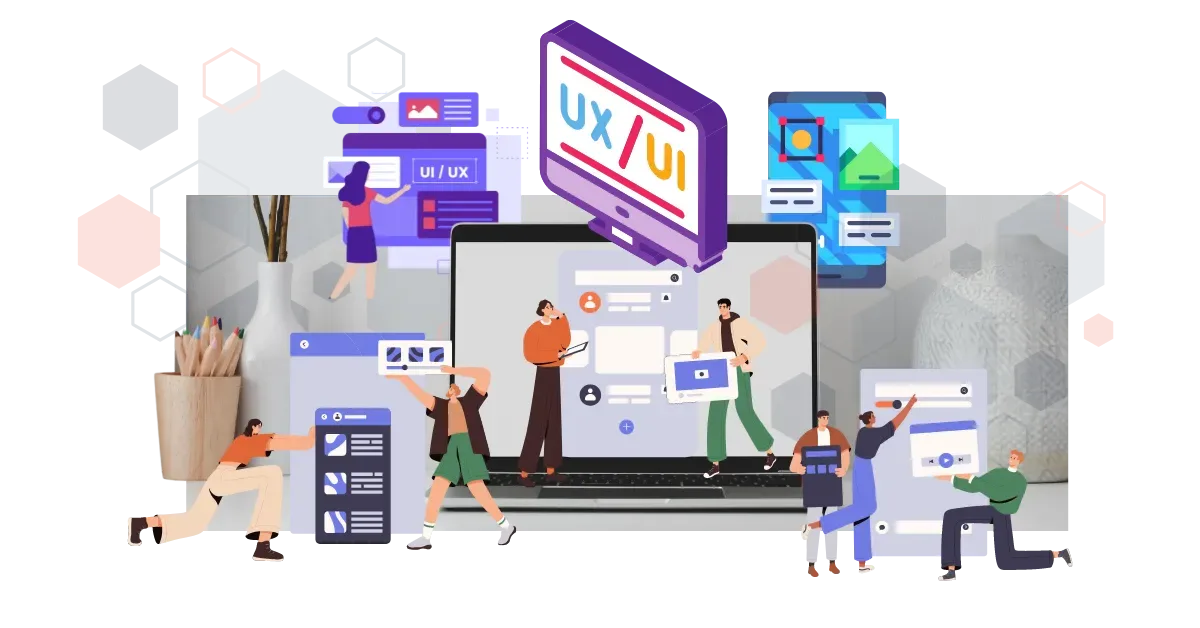
User experience (UX) design continues to evolve rapidly as technology reshapes how people interact with digital products. From AI-driven interfaces to immersive experiences, designers must adapt to new user behaviors, expectations, and technologies. While foundational usability principles still matter, UX heuristics have evolved significantly to meet the demands of 2026.
In this comprehensive guide, we explore updated UX heuristics that designers and businesses should follow to create intuitive, engaging, and future-ready digital experiences. Drawing insights aligned with a Virtual Oplossing UI UX Designing Agency, this article will help you stay ahead in the ever-changing UX landscape.
What Are UX Heuristics?
UX heuristics are general principles or guidelines used to evaluate the usability of an interface. Originally popularized by Jakob Nielsen’s 10 usability heuristics, these principles have guided designers for decades.
However, with advancements in AI, voice interfaces, AR/VR, and personalization, traditional heuristics have expanded to accommodate modern user needs. The updated heuristics for 2026 focus on adaptability, intelligence, and emotional engagement.
Why UX Heuristics Need an Update
The digital ecosystem has transformed dramatically:
- AI-powered interfaces are now mainstream
- Users expect hyper-personalized experiences
- Multi-device interactions are the norm
- Accessibility standards are more critical than ever
- Attention spans are shorter, and expectations are higher
These changes demand a refined set of heuristics that go beyond basic usability and focus on intelligent, user-centered design.
Updated UX Heuristics for 2026
1. Context-Aware Personalization
Modern users expect interfaces that adapt to their preferences, behavior, and context.
Design systems should:
- Provide personalized recommendations
- Adjust content dynamically
- Learn from user interactions
However, personalization must remain transparent and respect user privacy.
2. Seamless Multi-Device Continuity
Users switch between devices frequently—mobile, desktop, tablet, and even wearables.
A strong UX in 2026 ensures:
- Consistent experience across devices
- Real-time synchronization
- Smooth transitions between sessions
This heuristic emphasizes continuity over isolated interactions.
3. AI Transparency and Trust
AI is now deeply integrated into digital products. However, users need to understand and trust these systems.
Design should:
- Explain AI-driven decisions
- Provide control over automation
- Avoid “black box” experiences
Transparency builds confidence and improves user satisfaction.
4. Minimal Cognitive Load
With information overload becoming a major challenge, reducing cognitive effort is essential.
Best practices include:
- Clear navigation structures
- Simple, intuitive layouts
- Progressive disclosure of information
Design should guide users effortlessly toward their goals.
5. Accessibility as a Core Principle
Accessibility is no longer optional—it’s a necessity.
Modern UX must:
- Support screen readers and assistive technologies
- Ensure color contrast and readability
- Provide inclusive design for diverse users
Designing for accessibility improves usability for everyone.
6. Emotional Design and Engagement
Users are drawn to experiences that evoke positive emotions.
This includes:
- Micro-interactions and animations
- Human-centered copywriting
- Visual storytelling
Emotional engagement enhances user loyalty and brand connection.
7. Real-Time Feedback and Responsiveness
Instant feedback is crucial for maintaining user engagement.
Interfaces should:
- Provide immediate responses to actions
- Use visual cues for system status
- Avoid delays or ambiguity
This builds trust and improves usability.
8. Privacy-First Design
With increasing concerns about data security, privacy is a top priority.
UX design should:
- Clearly communicate data usage
- Offer granular privacy controls
- Minimize data collection
A privacy-first approach strengthens user trust.
9. Voice and Conversational UX
Voice interfaces and chat-based interactions are becoming standard.
Design considerations include:
- Natural language processing
- Context-aware responses
- Clear conversational flows
This heuristic expands UX beyond traditional screens.
10. Performance-Driven Design
Speed is a critical component of user experience.
Designers must ensure:
- Fast loading times
- Optimized assets
- Smooth interactions
Performance directly impacts user satisfaction and retention.
11. Predictive User Journeys
AI enables systems to anticipate user needs.
Examples include:
- Predictive search suggestions
- Smart recommendations
- Automated workflows
This reduces effort and enhances efficiency.
12. Ethical and Responsible Design
Design decisions should prioritize user well-being.
This involves:
- Avoiding dark patterns
- Promoting healthy usage habits
- Ensuring fairness and inclusivity
Ethical design builds long-term trust and credibility.
Applying Updated Heuristics in Real Projects
To effectively implement these heuristics, businesses must adopt a strategic approach.
Conduct Regular UX Audits
Evaluate your website or app against updated heuristics to identify gaps and opportunities.
Use Data-Driven Insights
Leverage analytics, heatmaps, and user feedback to refine your design decisions.
Test Continuously
A/B testing and usability testing help validate design improvements.
Collaborate Across Teams
UX is not just a design function—it involves developers, marketers, and product managers.
Benefits of Updated UX Heuristics
Implementing modern UX principles offers several advantages:
Improved User Satisfaction
Users can achieve their goals quickly and efficiently.
Higher Conversion Rates
Better UX leads to increased engagement and conversions.
Stronger Brand Loyalty
Positive experiences build trust and long-term relationships.
Competitive Advantage
Staying ahead of UX trends sets your brand apart.
Common Mistakes to Avoid
Even with updated heuristics, mistakes can hinder UX success.
Over-Personalization
Too much personalization can feel intrusive.
Ignoring Accessibility
Failing to design inclusively limits your audience.
Lack of Testing
Assuming what users want without testing leads to poor decisions.
Overcomplicating Design
Complex interfaces increase cognitive load and reduce usability.
The Future of UX Beyond 2026
UX design will continue to evolve with emerging technologies.
Future trends include:
- Augmented and virtual reality experiences
- Brain-computer interfaces
- Fully immersive digital environments
- Advanced AI-driven personalization
Designers must remain adaptable and continuously update their skills to stay relevant.
Why Work with Experts?
Implementing updated UX heuristics requires expertise, strategy, and a deep understanding of user behavior.
A Virtual Oplossing UI UX Designing Agency can help businesses:
- Conduct comprehensive UX audits
- Design user-centered interfaces
- Integrate advanced technologies
- Optimize user journeys for conversions
Their professional approach ensures that your digital products meet modern UX standards and deliver exceptional user experiences.
Conclusion
UX heuristics have evolved significantly to meet the demands of 2026. From AI transparency and personalization to accessibility and ethical design, modern UX focuses on creating intelligent, human-centered experiences.
By adopting these updated principles, businesses can improve usability, enhance engagement, and achieve long-term success in a competitive digital landscape.
If you’re looking to elevate your user experience strategy, partnering with experts is the key. Virtual oplossing pvt. ltd offers cutting-edge UX solutions tailored to your business needs, helping you stay ahead in the ever-evolving world of design.