Heavy equipment operators often hold their breath when bucket teeth scrape against something solid and metallic beneath the soil. A single wrong move can sever a high-voltage power line or rupture a pressurized water main, leading to immediate chaos. Professional utility excavation prevents these costly repairs by using non-destructive methods to expose buried infrastructure before traditional digging begins. Specialized vacuum technology and high-pressure water systems allow crews to "see" underground without the risk of mechanical strikes. Utility excavation services in LaBelle provide a surgical approach to earthmoving that protects both the project budget and the safety of the neighborhood. Precision digging ensures that existing pipes and cables remain intact, allowing for seamless upgrades or repairs to the local grid.
Precision Potholing for Infrastructure Safety
Visual confirmation of a utility's location is the only way to guarantee a safe work environment. Ground-penetrating radar and paper maps often provide estimates that are off by several feet. Potholing involves digging small, strategic test holes to find the exact depth and alignment of a pipe. Vacuum excavation allows this to happen without the blunt force of a shovel or backhoe. Water gently washes away the dirt, leaving the utility completely exposed and undamaged. This level of accuracy prevents the "blind digging" that leads to most construction accidents. Engineers can then plan their foundations or new trenches with absolute certainty.
Why Do Traditional Digging Methods Risk Utility Failure?
Metal machinery lacks the tactile feedback necessary to distinguish between a rock and a buried gas line. Heavy buckets apply tons of pressure that can crush plastic conduits or snap old cast-iron water pipes. Even a small nick in a cable’s insulation can lead to a short circuit or corrosion years down the line. Vibrations from heavy treads can also cause soil shifts that put undue stress on joints and couplings. Traditional methods often require a wider trench than necessary, increasing the risk of disturbing nearby lines. Professional vacuum services eliminate these variables by focusing the energy only on the soil being removed.
Benefits of High-Pressure Air and Water
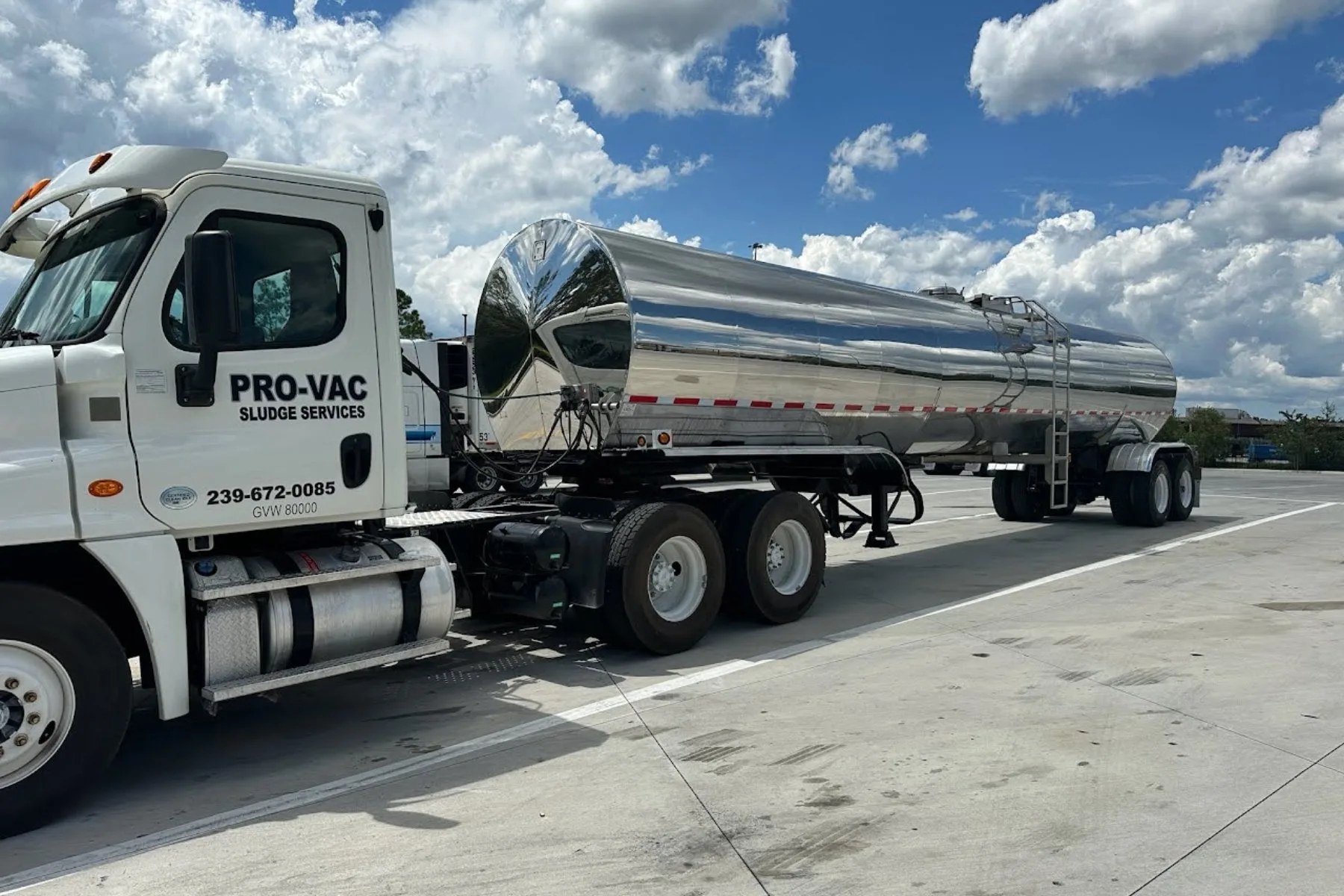
Air and water act as a fluid knife that carves through compacted clay and sand with ease. Operators can adjust the pressure to match the sensitivity of the target area. High-pressure water is particularly effective for heavy soils, while air excavation is ideal when the removed dirt needs to stay dry for immediate backfilling. Both methods use a powerful vacuum to suck the debris into a truck-mounted tank. This keeps the worksite clean and reduces the amount of heavy traffic on the property. You avoid the mess of large dirt piles that often wash into storm drains during a rainstorm. The result is a clean, vertical hole that is ready for inspection or repair work.
Managing Drilling Mud and Site Byproducts
Horizontal directional drilling creates a significant amount of thick slurry that must be managed to keep the site operational. Leaving this mixture to pool on the surface creates a slip hazard and can damage local vegetation. Professional Bentonite Removal and Disposal in LaBelle ensures that this drilling byproduct is captured and hauled away according to environmental regulations. Bentonite is essential for lubricating drill bits, but it becomes a nuisance once the job is finished. Vacuum trucks are the most efficient way to clean out the transition pits and entry points of a drill site. Keeping the slurry contained prevents it from entering the local groundwater or clogging municipal sewer systems. Proper disposal protects your company from environmental fines and keeps the community happy.
Enhancing Safety for the On-Site Crew
- Workers stay above ground while the vacuum hose does the heavy lifting in the trench.
- Risks of trench cave-ins are minimized because the excavation remains narrow and controlled.
- Gas leaks and electrical arcs are avoided by using non-conductive water streams.
- Noise levels are often lower compared to the constant roar of a large excavator.
- Manual labor is reduced, which lowers the chance of back injuries or heat exhaustion.
- Visibility remains high because there is no dust cloud created by mechanical digging.
How Can Vacuum Excavation Lower Total Project Costs?
Reduced downtime is the most significant factor in keeping a construction project under budget. A severed fiber optic line can cost thousands of dollars per minute in lost data for local businesses. Repairing a major water main involves emergency crews, road closures, and massive insurance claims. Utilizing vacuum services from the start acts as an insurance policy against these disasters. You also save money on surface restoration since the holes are significantly smaller than those made by backhoes. Less soil is moved, which means less material needs to be hauled away or replaced. Efficiency at the beginning of the project prevents expensive headaches at the end.
Versatility Across Different Utility Types
- Electrical Lines: Safe exposure of high-voltage cables for transformer upgrades.
- Fiber Optics: Protecting fragile glass strands during new neighborhood installations.
- Water and Sewer: Finding leaks or blockages without damaging the surrounding pipe network.
- Gas Mains: Ensuring no sparks occur while digging near high-pressure natural gas lines.
- Storm Drainage: Cleaning out catch basins and culverts that are packed with silt and trash.
- Telecommunications: Mapping out old copper lines before modernizing the system.
Environmental Responsibility in Utility Work
Preserving the local ecosystem is a requirement for modern municipal contracts. Non-destructive digging prevents the accidental release of sewage or chemicals from damaged lines. The soil removed is kept in a sealed tank, preventing runoff from entering nearby canals or lakes. Professional disposal of drilling fluids like bentonite ensures that no heavy silts suffocate local aquatic life. You demonstrate a high standard of care for the land by choosing methods that minimize surface disruption. Clean worksites are easier to manage and leave a better impression on the public. Protecting the environment and the infrastructure can happen simultaneously with the right tools.
The Bottom Line
Buried utilities are becoming more dense as cities grow and technology evolves. Managing this hidden web requires a sophisticated approach that prioritizes safety over raw power. Vacuum excavation is becoming the standard requirement for many utility providers and government agencies.
Pro-Vac Sludge Services provides the precision and equipment necessary to protect underground assets during complex digging projects. Experienced teams utilize vacuum technology to ensure that every utility line remains safe and functional throughout the construction process. Reliable utility excavation services in LaBelle help avoid the financial disasters associated with accidental line strikes and service interruptions. Relying on professional excavation is the most effective way to prevent utility line damage and the associated repair costs. Keeping the lights on and the water flowing starts with a careful and calculated approach to digging.