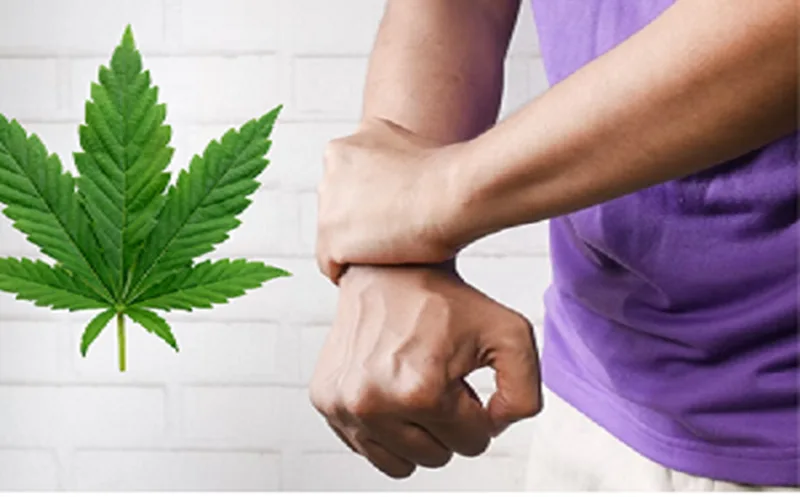
Cannabis has become an increasingly discussed option for managing chronic conditions such as arthritis and inflammation. As more countries and regions legalize medical cannabis, patients and healthcare providers are exploring its potential role in pain management. While it is not a cure for arthritis, cannabis may offer symptom relief for some individuals when used responsibly and under medical guidance.
Understanding Arthritis and Inflammation
Arthritis refers to a group of conditions that cause pain, swelling, and stiffness in the joints. The two most common types are osteoarthritis, which results from wear and tear of cartilage over time, and rheumatoid arthritis, an autoimmune disease where the immune system mistakenly attacks joint tissues.
Inflammation is a key factor in both conditions. It contributes to joint damage, discomfort, and reduced mobility. Because of this, many traditional treatments focus on reducing inflammation and controlling pain to improve quality of life.
How Cannabis Works in the Body
Cannabis contains chemical compounds known as cannabinoids, primarily tetrahydrocannabinol (THC) and cannabidiol (CBD). These compounds interact with the body’s endocannabinoid system, which plays a role in regulating pain, immune response, mood, and inflammation.
CBD is widely studied for its potential anti-inflammatory properties and does not produce a psychoactive “high.” THC, on the other hand, can alter perception and may provide stronger pain relief but also carries a higher risk of side effects. Together, these compounds may work synergistically to reduce discomfort and improve symptom control.
Potential Benefits for Arthritis Patients
One of the main reasons people with arthritis consider cannabis is pain relief. Cannabinoids may influence how the brain perceives pain signals, making discomfort more manageable. In addition, cannabis may help reduce inflammation in affected joints, potentially easing swelling and stiffness.
Another important benefit is improved sleep. Chronic pain often disrupts rest, and poor sleep can worsen pain perception. By promoting relaxation and reducing discomfort, cannabis may help patients achieve more restorative sleep, indirectly improving daily functioning and overall well-being.
Some patients also report improved mood and reduced anxiety, which can be valuable when living with a long-term, painful condition.
Methods of Use
Cannabis can be consumed in several forms, each with different effects and onset times.
Topical applications, such as creams, balms, and lotions, are applied directly to painful joints. These products are popular because they target localized pain without producing significant systemic effects.
Oral products, including oils, capsules, and edibles, provide longer-lasting relief but take longer to begin working. They are often used for sustained symptom management throughout the day or night.
Inhalation methods, such as vaping, act quickly and are sometimes used for sudden flare-ups of pain. However, they may not be suitable for individuals with respiratory conditions.
Risks and Considerations
Despite its potential benefits, cannabis is not risk-free. THC can cause side effects such as dizziness, dry mouth, impaired coordination, and short-term memory issues. It may also affect judgment and reaction time.
CBD is generally well tolerated but can interact with certain medications, including blood thinners and anti-inflammatory drugs. Because of this, medical consultation is strongly recommended before starting cannabis therapy.
Product quality is another important factor. Cannabis products vary widely in strength and purity, so choosing lab-tested, regulated products is essential for safety and consistent dosing.
Conclusion
Cannabis may offer a supportive option for individuals managing arthritis and inflammation, particularly in reducing pain, improving sleep, and easing discomfort. However, it should not replace standard medical treatments. Instead, it is best considered as part of a broader, supervised treatment plan that includes medical care, lifestyle adjustments, and physical therapy. As research continues, a clearer understanding of its long-term benefits and risks will emerge.