Reviving the Cityscape: A New Chapter in Real Estate
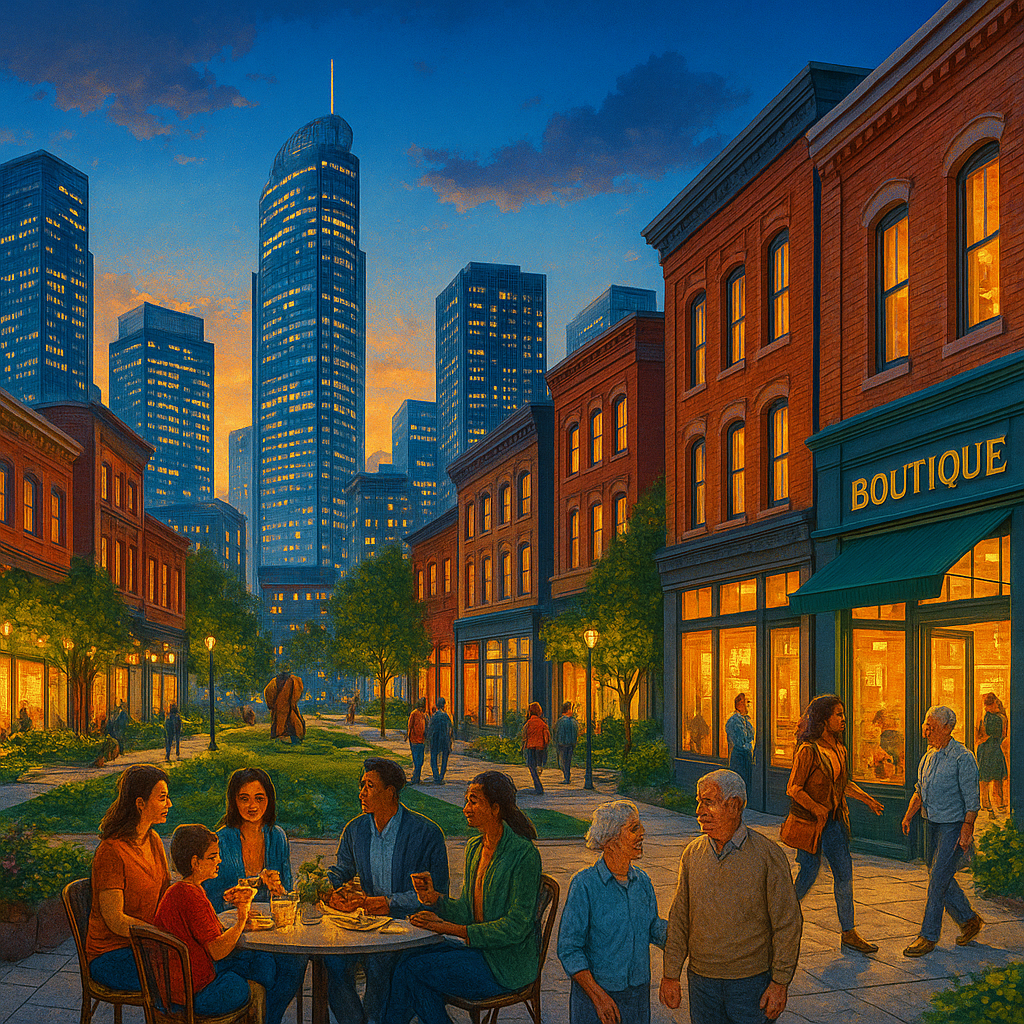
In the heart of Detroit’s historic Corktown neighborhood, a once-abandoned warehouse now gleams as a mixed-use complex brimming with tech startups, artisanal shops, and upscale lofts. This transformation is not isolated. Across numerous American cities, urban revitalization has become a powerful engine driving the real estate market in 2026. The resurgence of these neighborhoods—long neglected due to economic shifts and suburban flight—is reshaping investment strategies, community dynamics, and architectural trends.
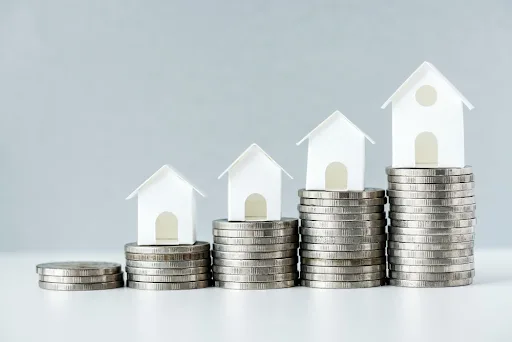
According to the National Association of Realtors’ 2026 Market Report, urban core property values have surged an average of 12% year-over-year since 2023, outpacing suburban growth. This renewed interest stems from a confluence of demographic shifts, policy incentives, and technological advancements that make city living attractive again.
“The real estate market is witnessing a fundamental rebalancing as urban centers reclaim their appeal, fueled by sustainable development and tech-driven economies,” says Dr. Elena Morris, urban economist at the Institute for Metropolitan Studies.
This article explores the forces behind urban revitalization’s impact on real estate, analyzing data trends, current developments, expert insights, and future outlooks to understand how this phenomenon is shaping the industry’s next decade.
Tracing the Roots: How Urban Decline Gave Way to Revival
The trajectory of urban real estate in the United States has long been a story of boom, bust, and rebirth. Post-World War II suburbanization drew middle-class families away from city centers, accelerating urban decline. Factories shuttered, infrastructure aged, and many downtown areas fell into disrepair. By the early 2000s, urban cores were often stigmatized as undesirable, with property values stagnating or falling.
However, the seeds of revival were planted in the 2010s, spurred by millennials’ preference for walkability, cultural amenities, and shorter commutes. Cities like Seattle, Boston, and Denver initiated targeted redevelopment programs, including tax abatements and infrastructure upgrades, to attract residents and businesses back downtown.
The COVID-19 pandemic initially disrupted urban markets as remote work beckoned many to the suburbs. Yet by 2024, data from the Urban Land Institute showed a strong rebound as hybrid work models settled in, and the demand for vibrant urban lifestyles returned. This set the stage for the current wave of urban revitalization, marked by increased public-private collaborations and sustainable urban design principles.
“Urban decline was never permanent; it was a pause. The ongoing revitalization reflects deeper societal changes, from environmental awareness to digital innovation,” reflects Karen Liu, senior planner at MetroGrowth Consulting.
The Numbers Behind the Boom: Data-Driven Insights
Real estate analysts have documented several key indicators illustrating urban revitalization’s momentum in 2026:
- Price Appreciation: Core urban neighborhoods in the top 20 U.S. metros have seen median home prices rise by 15% since 2022, according to the Federal Housing Finance Agency.
- Commercial Leasing Activity: Vacancy rates in downtown office spaces have dropped from 18% in 2023 to 11% in early 2026, signaling renewed corporate demand.
- Population Growth: The U.S. Census Bureau reports a 4.5% increase in urban core populations from 2020 to 2025, reversing decades of decline.
- Green Building Certifications: New developments achieving LEED or WELL certification have increased by 35%, reflecting sustainability priorities.
- Infrastructure Investments: Municipal spending on urban transit and public spaces has grown by 22% since 2023, supporting connectivity and livability.
These data points converge to form an ecosystem where real estate development thrives. Investors are increasingly targeting mixed-use projects that combine residential, office, and retail functions, catering to the demands of a diverse urban populace.
Comparative analysis reveals that cities with strong policy support and innovative urban planning, such as Portland and Austin, outperform peers in both price appreciation and occupancy rates. This underscores the importance of coordinated efforts between public authorities and private developers.
2026 Developments: Technology and Sustainability as Catalysts
The current phase of urban revitalization is distinctively shaped by two dominant trends: technology integration and sustainability imperatives. Smart city technologies have become integral to new developments, optimizing energy use, enhancing security, and improving resident experience through IoT devices and AI-driven management systems.
For instance, the newly opened Nexus District in San Francisco employs AI to regulate lighting and climate control across its 20-acre footprint, reducing energy consumption by 30%. This project exemplifies how technology elevates building performance and market appeal.
Sustainability remains central. The 2026 Green Building Council’s annual report highlights that over 60% of new urban residential projects incorporate renewable energy sources, green roofs, and advanced water recycling. This aligns with growing consumer preferences for eco-friendly living, particularly among Gen Z and millennials.
Municipal governments are also incentivizing sustainable developments through grants and zoning reforms. New York City’s recent rezoning of the Brooklyn waterfront prioritizes affordable housing and green space, setting a precedent for other cities to follow.
“Sustainability is no longer optional—it's embedded in the DNA of successful urban real estate projects,” notes architect and sustainability consultant Luis Ramirez.
Industry Voices: Experts Weigh In on Urban Transformation
Leading figures in real estate development, urban planning, and architecture offer key perspectives on the evolving market dynamics.
Lisa Chen, CEO of UrbanRise Properties: “The appetite for urban living has never been stronger. Developers must balance profitability with community needs, leveraging technology and sustainability to create spaces that resonate with today’s diverse urban populations.”
Professor Mark Davidson, Urban Studies, University of Chicago: “We’re witnessing a paradigm shift where cities are reinventing themselves as innovation hubs. This transformation demands interdisciplinary collaboration and inclusive policies to ensure equitable growth.”
These insights align closely with the themes explored in How Architecture Shapes Real Estate’s Future Amid Global Shifts, which emphasizes design’s pivotal role in urban regeneration. Meanwhile, Mastering Real Estate: Strategies and Insights for Modern Investors highlights how investors are adapting to these new realities by prioritizing mixed-use and sustainable projects.
Looking Ahead: What to Watch in Urban Real Estate
The trajectory of urban revitalization will be influenced by several evolving factors:
- Policy Innovation: Cities are expected to deepen commitments to affordable housing and climate resilience, shaping development priorities.
- Technological Advances: Integration of AI and data analytics in property management will accelerate, enhancing operational efficiency and tenant satisfaction.
- Demographic Shifts: As younger generations mature and retirees seek vibrant communities, demand for adaptable urban living spaces will grow.
- Climate Adaptation: Rising sea levels and extreme weather will prompt resilient design strategies, especially in coastal metros.
- Financial Instruments: Green bonds and impact investing will increasingly fund urban projects, linking capital to sustainability metrics.
Stakeholders must remain agile, embracing innovation while addressing social equity to ensure that revitalization benefits are broadly shared. As Dr. Morris concludes, “The future of urban real estate hinges on our ability to harmonize economic vitality with environmental stewardship and social inclusion.”
“Real estate in urban centers is more than property; it’s about crafting the fabric of tomorrow’s communities,” she adds.
For those interested in detailed trends and projections, the comprehensive analysis in Real Estate in 2026: Trends, Data, and Future Outlook offers valuable context and data-driven forecasts.
Urban Revitalization in Action: Case Studies
Several cities exemplify the principles and impacts of urban revitalization:
- Detroit, Michigan: Once emblematic of urban decline, Detroit’s focused investment in tech incubators and cultural districts has driven a 20% rise in downtown property values since 2022.
- Portland, Oregon: Portland’s commitment to green infrastructure and affordable housing has made it a model for balancing growth with sustainability, drawing national attention.
- Atlanta, Georgia: The BeltLine project, converting former rail corridors into parks and trails, has stimulated mixed-use developments and increased connectivity, fueling real estate demand.
These examples illustrate diverse approaches tailored to local strengths and challenges. Their successes underscore the critical role of visionary planning and community engagement in revitalization efforts.
In conclusion, urban revitalization is driving a profound reshaping of the real estate market in 2026. Anchored by technological innovation, sustainability, and demographic changes, this trend offers both challenges and opportunities. Investors, developers, and policymakers who understand these dynamics—and leverage insights such as those found in How Architecture Shapes Real Estate’s Future Amid Global Shifts and Mastering Real Estate: Strategies and Insights for Modern Investors—will be well-positioned to navigate this transformative era.