
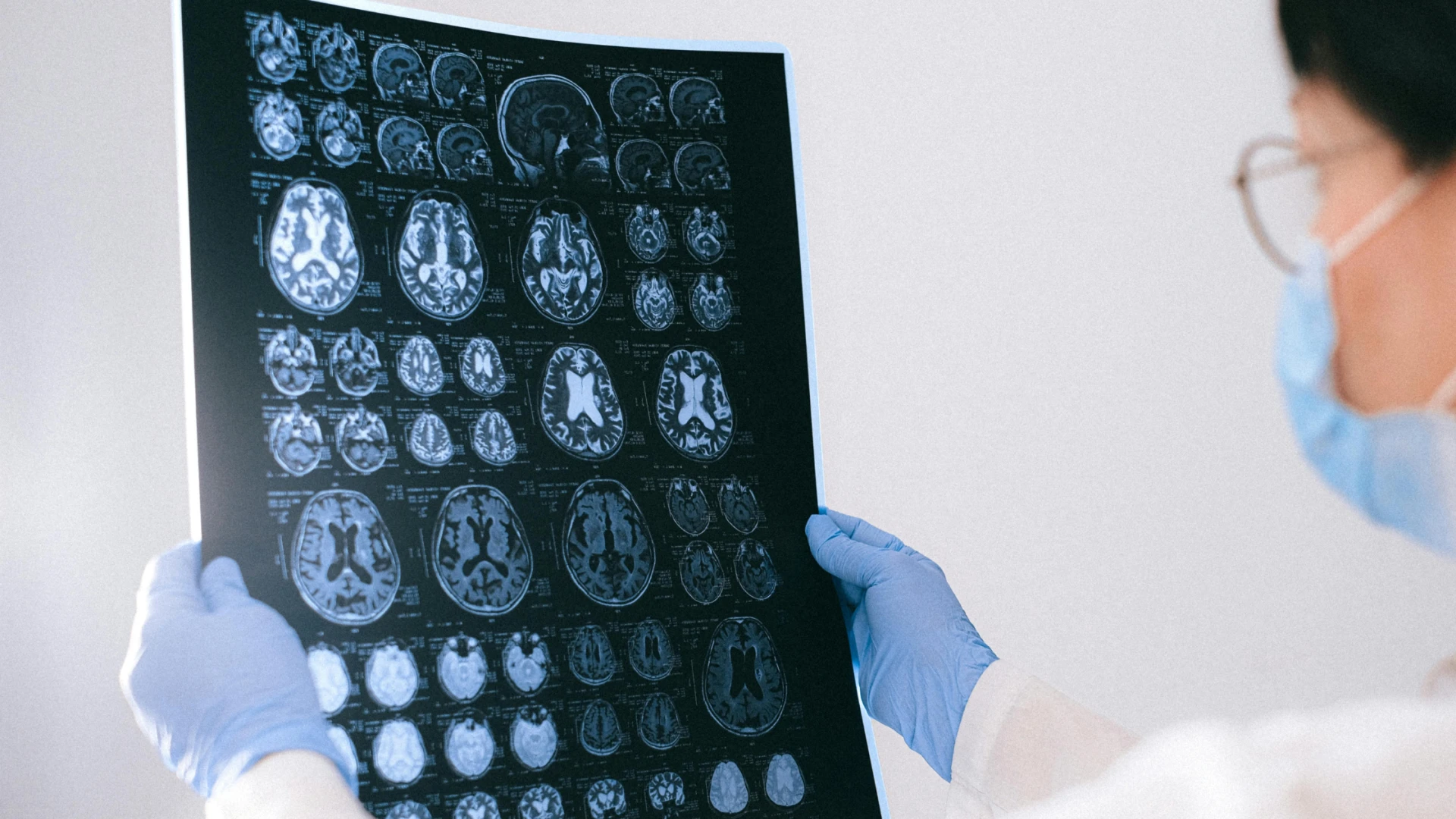
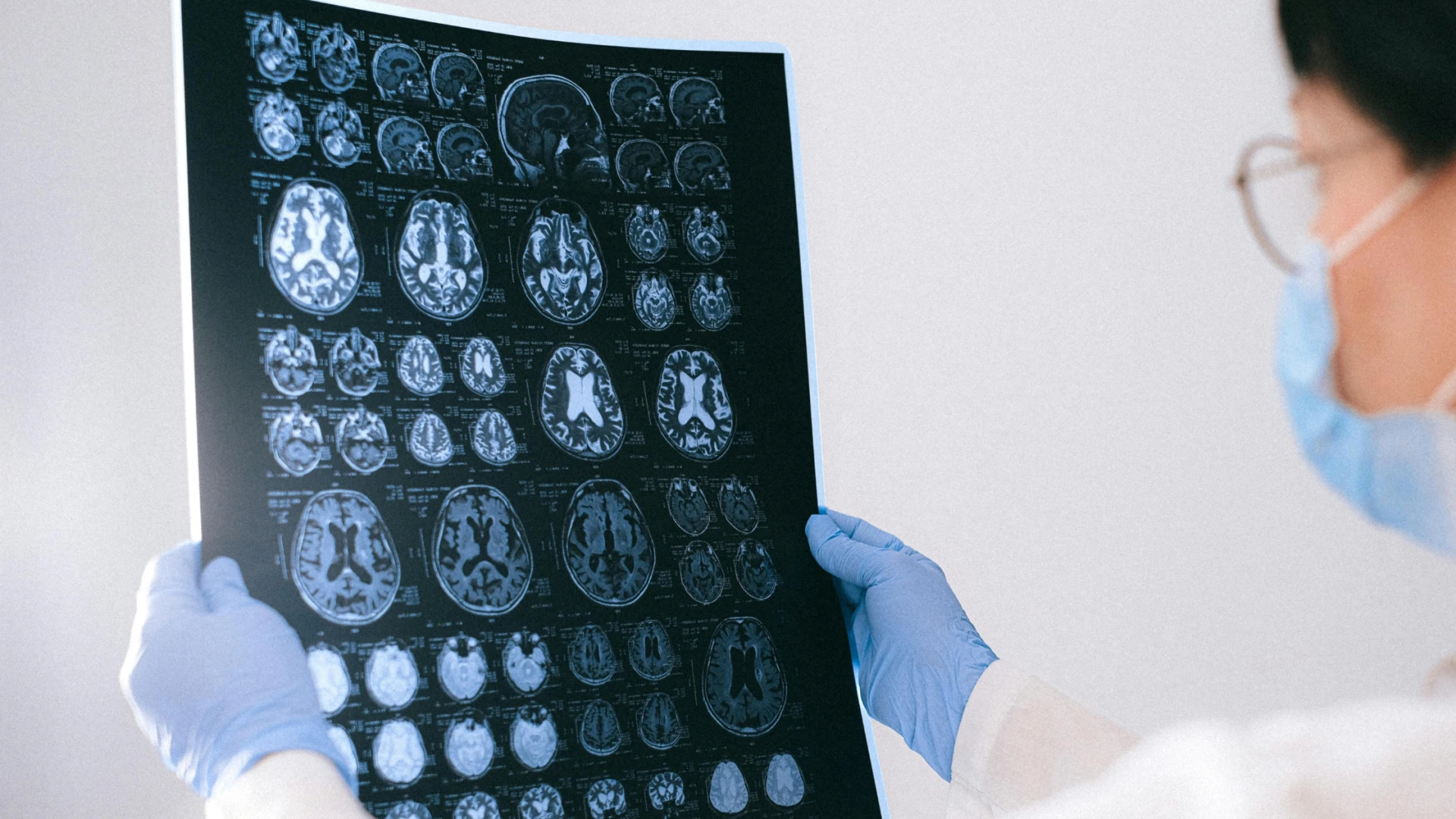
Alzheimer’s disease is a relentless neurological condition that gradually reshapes how the brain operates. It slowly erases memories, disrupts thinking, and changes behavior in ways that deeply affect daily life. Families and caregivers often witness these shifts firsthand, navigating emotional and practical challenges along the way. Researchers continue to investigate the processes that drive these changes to better understand disease progression. Recent advances in brain imaging and molecular biology are uncovering how neurons degenerate and how communication between brain cells deteriorates. Understanding these mechanisms is critical for developing effective care strategies and potential therapies.
The impact of Alzheimer’s extends beyond simple forgetfulness. Cognitive decline can affect reasoning, language, and problem-solving, making everyday tasks increasingly difficult. Scientists study how different brain regions are impacted at various stages of the disease. Early changes often appear in areas responsible for memory and learning before spreading to regions that control judgment and social interaction. Lifestyle choices, genetic makeup, and environmental factors may all influence how symptoms develop. Exploring these factors may help researchers identify interventions that slow or modify the progression of Alzheimer’s disease.
Understanding Neuron Damage in Alzheimer’s
Alzheimer’s primarily targets neurons, the brain’s essential messengers. As the disease advances, these cells experience structural harm that prevents effective signaling. Abnormal accumulation of proteins like beta-amyloid and tau forms plaques and tangles that interfere with neuron function. This buildup disrupts the delicate balance of chemical messengers, contributing to cognitive decline. Brain areas such as the hippocampus, which is vital for forming new memories, are especially vulnerable. Studying these patterns allows researchers to identify potential therapies that may protect neurons and restore brain function.
Damage is not uniform across the brain, which explains why symptoms vary between patients. Certain regions may deteriorate faster, causing memory issues first, while others affect language or executive abilities. Brain inflammation contributes to neuron loss as the immune system responds to plaques and tangles. Oxidative stress and mitochondrial problems further harm neurons, accelerating decline. Identifying these patterns enables scientists to design interventions that address multiple disease mechanisms at once. Multifaceted strategies like these could lead to more effective treatments in the future.
Genes and Risk Factors in Alzheimer’s
Genetics play a major role in Alzheimer’s susceptibility. Variants in genes such as APOE can increase the likelihood of developing the disease, particularly the APOE ε4 allele. Age, family history, and lifestyle factors also contribute to risk, making Alzheimer’s a complex condition. Understanding genetic influence helps identify individuals who may benefit from early intervention. Personalized treatments tailored to a patient’s genetic profile are becoming possible thanks to advances in genomics. These developments pave the way for more precise approaches to prevention and therapy.
Risk extends beyond genes to environmental and lifestyle factors. Poor cardiovascular health, diabetes, and chronic stress can all worsen cognitive decline. Conversely, mental stimulation, social activity, and regular exercise may help protect brain function. Researchers study these factors through clinical trials for Alzheimer's disease to develop comprehensive prevention strategies. Combining lifestyle adjustments with medical approaches can lower the likelihood of developing symptoms. Early detection and risk reduction remain essential in combating Alzheimer’s disease.
Insights from Alzheimer’s Disease Clinical Trials
Recent studies, including Lilly Alzheimer’s disease clinical trials, are offering new perspectives on potential treatments. These trials investigate therapies aimed at reducing amyloid plaques and tau tangles to slow disease progression. Participants undergo careful monitoring, including brain imaging and cognitive assessments, to evaluate treatment effects. Data from these studies reveal which interventions may provide meaningful benefits. They also guide the design of future trials to ensure safety and maximize therapeutic impact. Knowledge from these clinical trials represents a critical step toward effective therapies for patients worldwide.
Trials also examine combination approaches and innovative delivery methods to improve outcomes. Researchers test whether targeting multiple pathways simultaneously yields better results than single treatments. Some studies focus on immunotherapies that use the body’s defenses to remove toxic proteins from the brain. Others investigate small molecules that cross the blood-brain barrier to protect neurons. These trials emphasize the importance of research in turning laboratory discoveries into practical therapies. Continued participation in clinical studies is vital for advancing our understanding of Alzheimer’s disease.
The Scope of Current Clinical Trials
The landscape of current clinical trials for Alzheimer’s disease is diverse and evolving quickly. Researchers are testing drugs, lifestyle strategies, and digital therapies to improve cognition and slow progression. Each trial adds to a growing understanding of the disease’s mechanisms and potential treatments. Comparing outcomes across studies helps identify which approaches are most promising. International collaboration allows for larger, more diverse participant groups, accelerating discovery. These combined efforts give hope for therapies that could one day change the disease’s trajectory.
Many trials emphasize early interventions before significant cognitive decline occurs. Detecting Alzheimer’s early increases the chance that treatments preserve brain function. Imaging, biomarker testing, and cognitive assessments help identify suitable participants. Researchers also explore how lifestyle measures complement pharmaceutical treatments to optimize results. This holistic approach acknowledges that Alzheimer’s is multifaceted and requires multidimensional solutions. Ongoing trials are shaping the future of care by producing actionable insights for prevention and therapy.
Promising Approaches Beyond Drugs
While medications are central to treatment, non-drug strategies also show promise. Cognitive exercises can help maintain memory and problem-solving abilities. Physical activity is linked to better brain health and may slow decline. Nutrition and dietary adjustments can support metabolism and reduce inflammation in the brain. Social interaction and mental stimulation remain critical for maintaining neuronal connections. Combining these methods with medical treatments creates a comprehensive care plan for patients at every stage.
Technology is increasingly supporting these interventions. Digital therapeutics provide personalized cognitive exercises tailored to individual progress. Virtual reality and AI-based tools offer stimulating and engaging experiences. Remote monitoring devices help caregivers track changes in cognitive function. These innovations complement medical treatments, providing a holistic approach to managing Alzheimer’s disease. Integrating medical, behavioral, and technological strategies aims to improve quality of life for patients.
In Conclusion of Understanding and Addressing Alzheimer’s
Alzheimer’s disease is a complex condition affecting millions around the world. Its impact on memory, cognition, and daily functioning highlights the urgent need for effective therapies. Advances in neuroscience and technology are deepening our understanding of how the brain changes during disease. Researchers explore multiple paths, from medication to lifestyle strategies, to slow progression and protect quality of life. Public awareness, early detection, and ongoing research are essential in addressing this growing health challenge. Staying informed helps society support both patients and caregivers.
The future of Alzheimer’s care is promising thanks to research, clinical innovation, and patient-centered strategies. Emerging treatments combined with lifestyle and technological approaches may transform how the disease is managed. Collaboration between scientists, clinicians, and caregivers ensures discoveries become meaningful outcomes. Educating communities and advocating for resources makes progress accessible to those who need it most. Challenges remain, but each advance offers hope for improved prevention, treatment, and support. Continued dedication could one day change the trajectory of Alzheimer’s disease for millions worldwide.