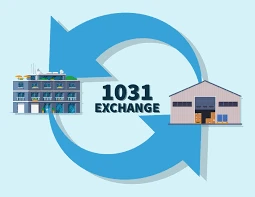
In the world of high-stakes investment, the 1031 exchange remains one of the most powerful tools for building long-term wealth. Named after Section 1031 of the Internal Revenue Code, this strategy allows real estate investors to "swap" one investment property for another while deferring capital gains taxes. As we move through 2026, the 1031 exchange continues to serve as a vital lever for those looking to reposition their portfolios, upgrade asset quality, or shift geographic focus without losing significant equity to the IRS.
1. The Core Concept: Defer, Don't Evade
A 1031 exchange real estate is not a tax "loophole"; it is a tax deferral. When you sell an investment property (the "relinquished property"), you would normally owe capital gains tax and depreciation recapture. By using a 1031 exchange, you reinvest those proceeds into a "replacement property" of like-kind.
- The Benefit: You keep 100% of your equity working for you. If you have $500,000 in gain, paying 20-30% in taxes immediately shrinks your buying power. Deferring that tax allows you to acquire a much larger, more profitable replacement asset.
- Like-Kind Requirement: In 2026, "like-kind" is broadly defined for real estate. You can exchange an apartment building for a strip mall, raw land for an industrial warehouse, or a single-family rental for a medical office building. The key is that both properties must be held for use in a trade, business, or for investment.
2. The Golden Rules: Two Strict Deadlines
The IRS is famously unforgiving regarding the 1031 timeline. If you miss a deadline by even one minute, the entire exchange fails, and the tax bill becomes due immediately.
- The 45-Day Identification Period: From the day you close on your sale, you have exactly 45 calendar days to identify potential replacement properties in writing. Most investors follow the "Three-Property Rule," which allows you to identify up to three properties of any value.
- The 180-Day Exchange Period: You must close on the purchase of your replacement property within 180 calendar days of the sale of the first property. Note that these two clocks run concurrently—the 180-day period starts at the same time as the 45-day period.
Pro Tip for 2026: If you sell a property late in the year (after October 17th), your 180-day window might actually be cut short by your tax filing deadline. To protect the full 180 days, you must file for a formal tax extension.
3. The Qualified Intermediary (QI): Your Essential Partner
You cannot touch the money. If the proceeds from your sale even hit your personal bank account for a second, the IRS considers it "constructive receipt," and the exchange is disqualified.
To prevent this, you must hire a Qualified Intermediary (QI). The QI is a neutral third party who:
- Holds the exchange funds in a secure, segregated account.
- Prepares the legal documentation required by the IRS.
- Wires the funds directly to the closing agent for your new purchase.
Who can't be your QI? Your current attorney, CPA, or real estate agent are considered "disqualified persons" because they have an existing agency relationship with you.
4. Advanced 1031 Strategies for the Current Market
In 2026, savvy investors are moving beyond simple "one-for-one" swaps to more sophisticated structures:
- The Reverse Exchange: You buy the replacement property before you sell your current one. This is ideal in competitive markets where you don't want to risk being "homeless" after your sale.
- The DST (Delaware Statutory Trust): For investors who want to move from "active" management to "passive" income, you can exchange into a fractional interest in a massive institutional asset (like a 300-unit apartment complex) managed by a professional firm.
- Improvement Exchanges: If you find a replacement property that needs work, you can use the exchange funds to both purchase the property and pay for the renovations, provided the work is completed within the 180-day window.
5. Why 1031s Matter More Than Ever in 2026
With the 2026 market rewarding Operational Alpha, many investors are using the 1031 exchange to exit low-growth legacy assets and enter high-growth sectors like self-storage, data centers, or industrial logistics.
By continually "trading up" throughout your life, you can effectively grow a massive portfolio while never paying capital gains tax. If held until death, your heirs currently receive a "step-up in basis," potentially wiping out decades of deferred taxes entirely.
Final Thoughts
A 1031 exchange is a strategic marathon, not a sprint. It requires meticulous planning, a rock-solid QI, and a clear vision of your next move before you even list your current property. When executed correctly, it is the single most effective way to compound your wealth in the American real estate market.
Ready to start your exchange? Always consult with a specialized tax advisor before initiating a 1031 to ensure your specific transaction meets every IRS safe harbor