The rapid evolution of blockchain technology has opened up new frontiers in the world of digital finance. One of the most revolutionary innovations within this space is the cryptocurrency token development process. Whether you're a startup looking to raise capital through an ICO or an enterprise aiming to streamline internal processes, understanding token development is essential to harnessing blockchain’s full potential.
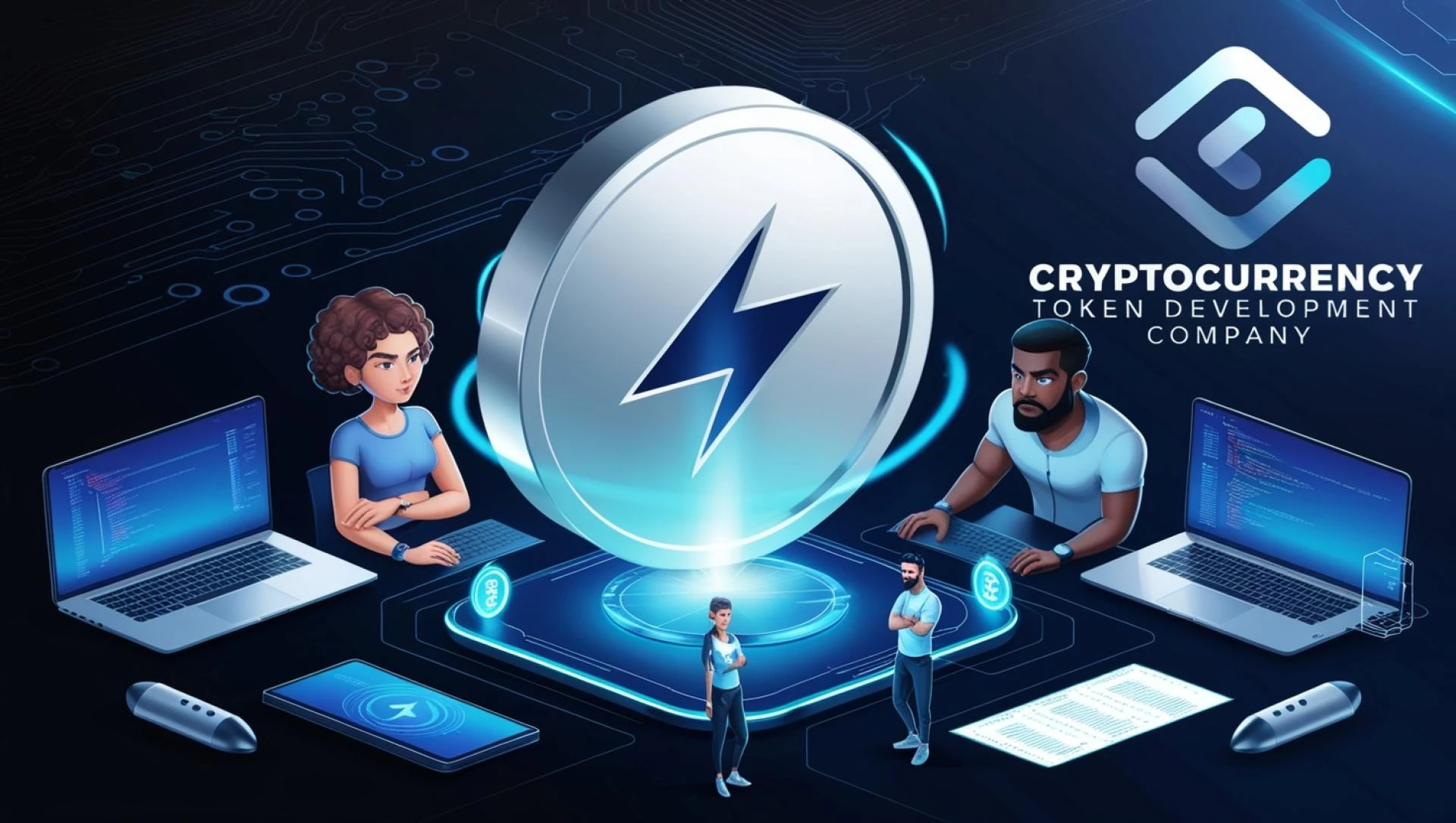
What is Cryptocurrency Token Development?
Cryptocurrency token development refers to the creation of digital assets or tokens on a blockchain platform. Unlike cryptocurrencies like Bitcoin or Litecoin, which operate on their own independent blockchains, tokens are built on existing ones—most commonly Ethereum, Binance Smart Chain, or Solana. These tokens can represent a variety of assets and serve different functions, such as utility, security, or governance.
A token’s behavior and use-case are determined by its smart contract—a self-executing code stored on the blockchain. These smart contracts ensure transparency, security, and automation in token transactions, making the development process a critical step in any blockchain project.
Why Businesses are Embracing Tokenization
The rise of token economies is changing how companies approach funding, rewards, and operations. Through cryptocurrency token development, businesses can:
- Raise capital through Initial Coin Offerings (ICOs), Security Token Offerings (STOs), or Initial DEX Offerings (IDOs)
- Enable decentralized governance by allowing token holders to vote on project decisions
- Reward users for participation or loyalty
- Facilitate faster and cheaper cross-border transactions
This flexibility makes tokens a powerful tool across industries including fintech, real estate, gaming, healthcare, and logistics.
Key Steps in the Token Development Process
Developing a cryptocurrency token involves several technical and strategic stages. Here’s a breakdown of the process:
- Define the Token’s Purpose
- Before diving into development, it’s crucial to determine what the token will do. Will it grant access to services? Represent shares in an asset? Offer voting power? A well-defined use-case shapes the rest of the development journey.
- Choose the Right Blockchain
- Ethereum remains the most popular platform for token creation, thanks to its mature infrastructure and large developer community. However, other platforms like Binance Smart Chain and Polygon offer faster transactions and lower fees. The choice of blockchain impacts performance, cost, and user experience.
- Design and Develop the Smart Contract
- This is the heart of the token. Developers write the smart contract to define total supply, transfer rules, burn mechanisms, and more. Security is paramount—any vulnerability can be exploited, leading to loss of funds or credibility.
- Testing and Auditing
- Before launching, smart contracts should be rigorously tested on a testnet and audited by reputable security firms. This ensures functionality, compliance, and protection against common attack vectors.
- Token Deployment and Launch
- Once verified, the token is deployed to the mainnet and becomes publicly accessible. Launch strategies may include airdrops, listings on exchanges, or strategic partnerships.
- Post-Launch Support and Upgrades
- Continuous monitoring and updates are necessary to maintain token security and relevance in a fast-changing market.
The Role of Experts in Cryptocurrency Token Development
Given the technical complexity and legal implications, working with experienced developers and consultants is often a smart move. Professional blockchain developers can not only ensure flawless code but also provide strategic insights on tokenomics, compliance, and marketing. Whether it's building ERC-20 tokens or integrating multi-chain support, expert assistance can dramatically increase your project's success rate.
Future Trends in Token Development
The cryptocurrency token development landscape is rapidly advancing. With the growing adoption of DeFi (Decentralized Finance), NFTs (Non-Fungible Tokens), and DAOs (Decentralized Autonomous Organizations), the need for customizable, scalable, and secure tokens is greater than ever.
Moreover, Layer 2 solutions and cross-chain interoperability are enhancing token efficiency and accessibility. As regulations around digital assets mature, we can expect even more institutional participation and innovation in this space.
Final Thoughts
Cryptocurrency token development is not just a technical endeavor—it’s a strategic move that can shape the future of your business or project. Whether you aim to launch a decentralized app, fundraise through tokens, or digitize real-world assets, understanding and leveraging this development process is key.
With the right planning, tools, and expertise, your token can become a vital part of the digital economy. In a world increasingly driven by decentralized technologies, investing in quality cryptocurrency token development could be your gateway to long-term success.