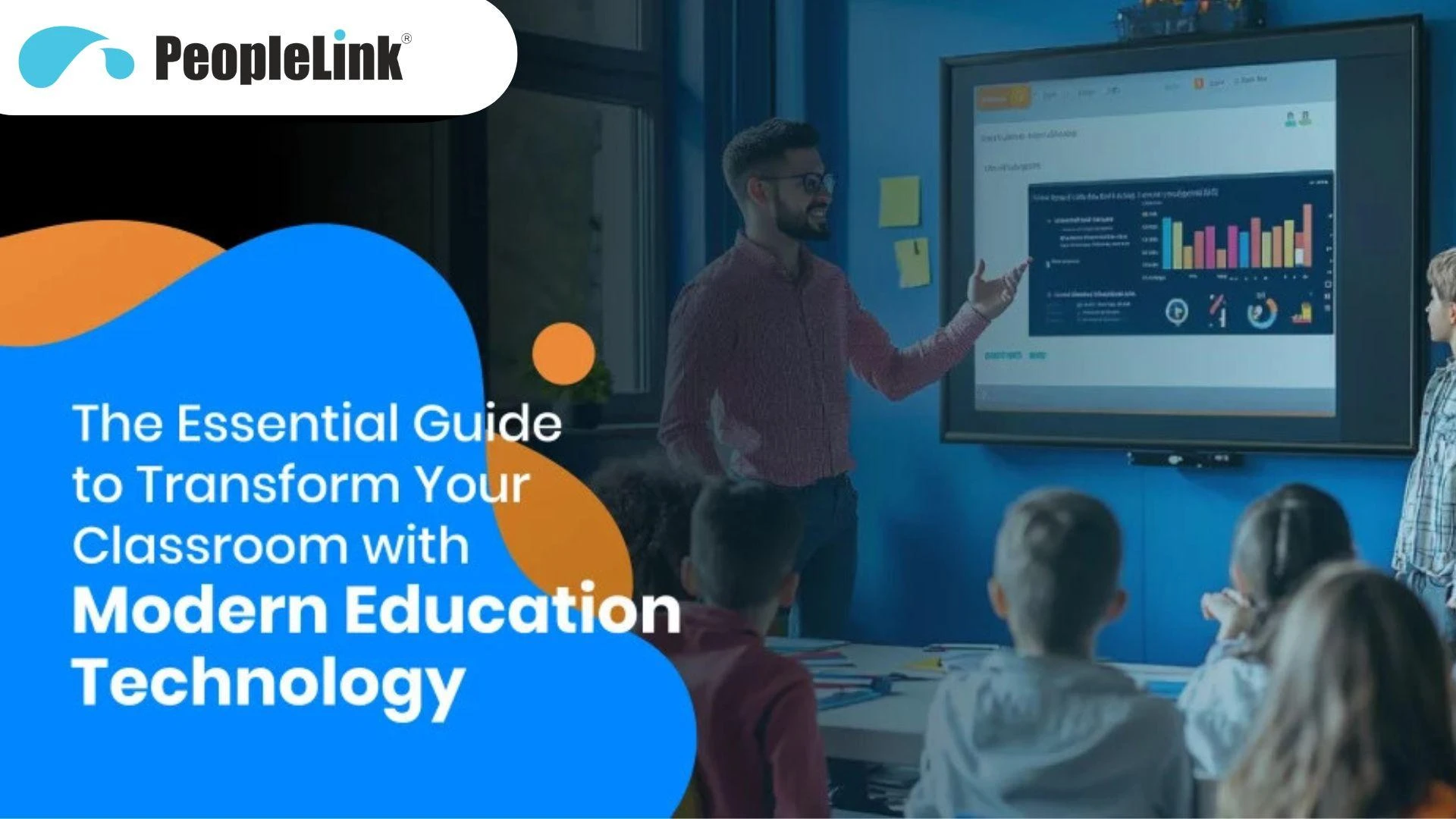
Bringing Innovation to Education with Cutting-Edge Digital Tools
Education is no longer confined to chalkboards and traditional textbooks. Today’s classrooms are rapidly evolving into dynamic, interactive spaces where technology plays a leading role in shaping the learning experience. With modern education technology, teachers and students can connect, collaborate, and explore in ways that were unimaginable just a few years ago.
A New Era of Learning
Modern educational tools have redefined the boundaries of the classroom. Interactive whiteboards, smart projectors, digital learning platforms, and video conferencing solutions enable educators to bring lessons to life. Students are no longer passive listeners; they become active participants, engaging with the content and each other in meaningful ways.
High-definition video conferencing allows students to attend virtual field trips, interact with guest speakers from around the world, and collaborate on projects with peers in other locations. The classroom becomes a global community, breaking down geographical barriers and expanding educational possibilities.
Enhancing Collaboration and Engagement
Technology enhances collaboration by making communication seamless. Group projects can now be conducted through online platforms where students share ideas, create content together, and receive real-time feedback. Tools like smart classrooms allow teachers to gauge student understanding instantly and adapt their lessons accordingly.
Interactive devices encourage hands-on learning, helping students to develop critical thinking and problem-solving skills. Engagement levels rise when lessons incorporate multimedia elements, gamified learning experiences, and interactive assessments.
Personalizing Education
Every student learns differently, and modern technology helps address these diverse needs. With personalized learning tools, educators can tailor lessons based on each student’s strengths, weaknesses, and interests. Data-driven insights empower teachers to create customized learning paths, ensuring that no student is left behind.
Moreover, assistive technologies help students with special needs to participate fully in classroom activities, creating an inclusive environment that supports all learners.
Preparing Students for the Future
Incorporating technology in the classroom isn’t just about enhancing today's lessons—it’s about preparing students for tomorrow. Familiarity with digital tools, virtual collaboration, and online communication are essential skills in the modern workforce. By integrating technology into education, we equip students with the knowledge and confidence they need to succeed in an increasingly digital world.
Modern classroom technology nurtures creativity, critical thinking, and adaptability—skills that are vital in any career path students may choose.
The Path Forward
Embracing technology in education requires thoughtful planning and a commitment to continuous improvement. Schools must invest in high-quality digital solutions and provide teachers with the training they need to make the most of these tools. When implemented effectively, education technology transforms classrooms into vibrant, inclusive, and future-ready learning environments.
The journey to modernize education is an ongoing one, but with the right technology and a clear vision, the possibilities for both teachers and students are endless.