According to expert market research, the United States bathtub market reached a value of approximately USD 3.60 billion in 2024 and is projected to grow at a compound annual growth rate (CAGR) of 6.10% from 2025 to 2034, reaching an estimated USD 6.51 billion by 2034. This growth is driven by increasing consumer spending on home renovation, a rising trend in luxury bathroom aesthetics, and the expanding real estate and hospitality sectors. As homeowners seek both functionality and indulgence, bathtubs are becoming a central element of modern bathrooms, boosting their demand across residential and commercial spaces.
Rising Focus on Home Renovation and Bathroom Upgrades
Home renovation trends are significantly boosting bathtub installations in the U.S. Consumers are increasingly investing in premium bathroom remodeling, viewing it as a lifestyle upgrade rather than just a functional improvement. Bathtubs—particularly freestanding, soaking, and whirlpool variants—are gaining popularity as symbols of comfort, wellness, and luxury.
Post-pandemic living preferences have further shifted consumer focus toward at-home wellness experiences. Bathtubs are now seen as essential for relaxation, hydrotherapy, and self-care. As a result, demand for ergonomic and spa-style bathtub designs has surged among middle- and high-income homeowners.
Growth in Residential Construction and Real Estate
The U.S. residential construction market is expanding, with new housing projects and multi-family units driving demand for bath fittings. Builders and developers often include modern bathtubs to enhance property appeal and resale value. Both new constructions and bathroom replacements contribute to consistent bathtub sales across the country.
Urbanization and population growth in suburban areas have also led to a rise in new home purchases. This demographic shift supports increased installations of standard and customized bathtubs, especially in single-family homes and townhouses.
Popularity of Premium and Freestanding Bathtubs
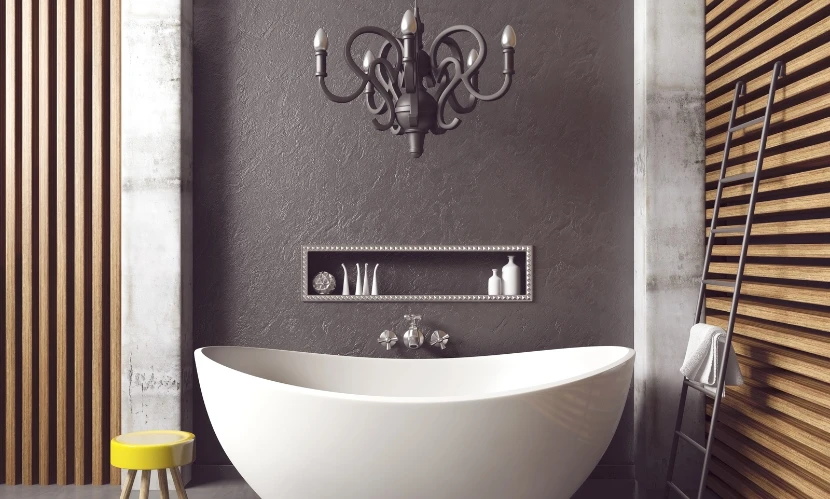
The trend of luxury bathrooms is reshaping the product preferences in the U.S. bathtub market. Freestanding bathtubs, which offer a sleek and modern aesthetic, are highly sought after for their visual appeal and spa-like feel. These bathtubs are often made from high-quality materials like acrylic, cast iron, and stone resin, which offer durability and a luxurious finish.
Whirlpool and air tubs are also gaining traction, especially among wellness-focused consumers. These tubs offer features like water jets, bubble massage systems, digital controls, and chromotherapy lighting—elements that add both comfort and therapeutic value.
Technological Advancements and Smart Bathroom Trends
The integration of smart features into bathtubs is a growing trend. Manufacturers are incorporating temperature control systems, voice-activated commands, water conservation technology, and app-based remote operation to enhance user experience. These innovations are resonating with tech-savvy consumers who seek modern, connected home environments.
Smart bathtubs appeal to younger homeowners and urban consumers looking for convenient, personalized bathing solutions. These offerings also align with sustainability goals, as smart controls help optimize water usage and energy efficiency.
Expanding Commercial Sector and Hospitality Industry
The commercial segment, including hotels, resorts, and wellness centers, is contributing significantly to bathtub demand. Luxury accommodations often install premium bathtubs in suites to enhance guest experience. Boutique hotels and spas also invest in aesthetically appealing and functional bathtubs as part of their value proposition.
With the recovery of the travel and tourism industry post-COVID-19, there is renewed investment in bathroom upgrades across the hospitality sector. This is expected to fuel the demand for designer and hydrotherapy tubs in the years ahead.
Access the Free Sample Report with ToC – Click Now
Market Segmentation
By Product Type
- Freestanding Bathtubs
- Alcove Bathtubs
- Drop-in Bathtubs
- Corner Bathtubs
- Whirlpool and Air Tubs
By Material
- Acrylic
- Cast Iron
- Fiberglass
- Stone Resin
- Others
By Shape
- Oval
- Rectangular
- Round
- Others
By End Use
- Residential
- Commercial (Hotels, Spas, Wellness Centers)
By Distribution Channel
- Offline Stores (Home Improvement Centers, Showrooms)
- Online Retailers
Regional Insights
The United States bathtub market sees strong regional performance in states like California, Florida, Texas, and New York. These areas lead in home renovation activity and luxury housing developments. Urban centers and affluent suburbs exhibit high adoption of high-end bathtubs due to rising disposable incomes and design-conscious consumers.
Midwestern and Southern regions are also witnessing growth owing to affordable housing projects and increased awareness of modern bathroom fixtures. The combination of affordability and rising consumer aspirations makes these regions attractive markets for bathtub manufacturers.
Competitive Landscape
Key players in the U.S. bathtub market are focusing on innovation, quality, and design differentiation to gain a competitive edge. Leading companies in the industry include:
- Kohler Co.
- Jacuzzi Inc.
- American Standard Brands
- Toto USA
- MAAX Bath Inc.
- Mansfield Plumbing Products
- Americh Corporation
- Sterling Plumbing
- Others
These companies compete based on product quality, material technology, pricing strategies, and customer service. Many are expanding their online presence and offering customizable bathtub solutions to meet varied consumer preferences.
Sustainability and Water Efficiency Trends
Environmental awareness is shaping product development in the bathtub industry. Manufacturers are designing eco-friendly bathtubs that minimize water usage and use recyclable or sustainable materials. Water-efficient designs are especially popular in drought-prone regions and among environmentally conscious homeowners.
Low-flow technology, smart water level sensors, and minimal-fill tubs are examples of how manufacturers are addressing sustainability concerns without compromising user experience. These features are expected to become standard offerings in the future.
Challenges and Restraints
High installation costs and space limitations are major challenges for the bathtub market. In compact apartments and urban settings, homeowners may opt for showers due to limited space. Freestanding and large soaking tubs often require spacious bathrooms, plumbing adjustments, and professional installation, adding to overall expenses.
Fluctuating raw material prices and supply chain issues can also impact the cost and availability of bathtubs. Additionally, competition from shower systems and walk-in tubs in aging populations may affect the traditional bathtub segment.
Future Outlook
The United States bathtub market is poised for steady growth in the coming years, driven by consumer demand for comfort, aesthetics, and well-being. Innovations in design, material use, and smart technology will shape the next generation of bathtubs.
With increasing investments in home improvement, growing wellness trends, and recovery in the hospitality sector, the market will continue to see rising installations across both residential and commercial segments. Customization, convenience, and sustainability will remain central to market success.
Frequently Asked Questions (FAQs)
What is the current size of the United States bathtub market?
As of 2024, the U.S. bathtub market is valued at approximately USD 3.60 billion and is projected to grow to nearly USD 6.51 billion by 2034.
What factors are driving the growth of the bathtub market in the U.S.?
Key drivers include rising home renovation activity, increased demand for luxury and wellness products, smart bathroom innovations, and growth in residential construction.
Which types of bathtubs are most popular among U.S. consumers?
Freestanding, whirlpool, and acrylic bathtubs are especially popular for their style, comfort, and ease of maintenance.
Who are the major players in the U.S. bathtub industry?
Leading companies include Kohler, Jacuzzi, American Standard, Toto, MAAX, and others known for premium product lines and innovative bathtub technologies.
Are bathtubs still in demand despite the popularity of showers?
Yes, bathtubs remain in high demand, particularly in luxury and wellness-focused homes, new housing developments, and hospitality projects that prioritize relaxation and comfort.
Media Contact:
Company Name: Claight Corporation
Email: [email protected]
Toll Free Number: +1-415-325-5166 | +44-702-402-5790
Address: 30 North Gould Street, Sheridan, WY 82801, USA
Website: https://www.expertmarketresearch.com