
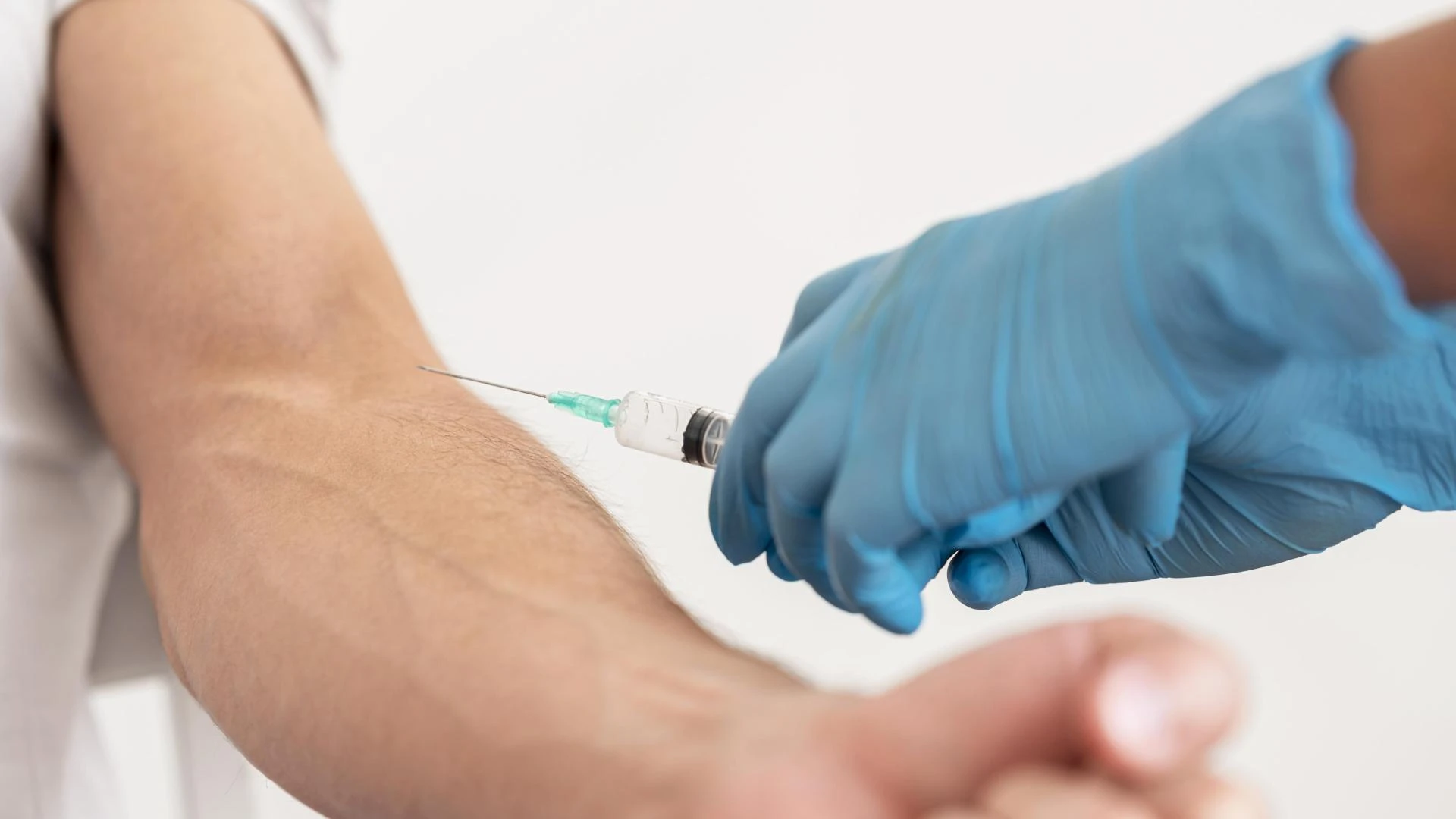
Injectable substances like paraffin and silicone have been historically used in aesthetic procedures to enhance body contours. However, such foreign substances can occasionally lead to complications due to adverse tissue reactions. For patients seeking paraffin injection removal Bangkok, understanding how the body reacts to these materials, potential risks, and removal options is critical.
This article provides an in-depth overview of tissue responses to foreign substances, common complications, and the specialised treatments available at trusted clinics like Menness Clinic.
What Are Foreign Substances in Aesthetic Procedures?
Foreign substances refer to materials injected into body tissues for cosmetic enhancement but are not naturally part of the body. Common examples include:
- Paraffin wax
- Liquid silicone
- Bioplastics
- Other permanent or semi-permanent fillers
While some fillers are FDA-approved and biodegradable, paraffin and similar substances are considered non-biodegradable and permanent. These materials do not break down naturally and can provoke prolonged tissue reactions.
How Does the Body React to Foreign Substances?
When the body detects an unnatural filler, it can treat it as a foreign invader, resulting in various tissue responses:
- Inflammation: Redness, swelling, and warmth may occur as the immune system attempts to isolate or eliminate the substance.
- Granuloma Formation: The immune system may form nodular lumps (granulomas) as clusters of immune cells surround the filler to contain it.
- Fibrosis and Hardening: Scar tissue formation can cause firm lumps or irregularities.
- Infection Risks: In some cases, chronic inflammation can lead to infection or abscess formation.
- Disfigurement: Prolonged reactions might cause visible distortion, uneven skin texture, or swelling.
- Chronic Pain or Tenderness: These symptoms manifest as a result of nerve irritation or inflammatory pressures.
Symptoms may appear months or even years after the initial injection, making early diagnosis and treatment essential.
Risks Specific to Paraffin Injections
Paraffin injections are particularly problematic because paraffin wax is:
- Non-absorbable and permanent
- Prone to migration from the injection site
- Able to cause severe, delayed immune reactions and tissue damage
Patients may present with firm lumps, skin ulceration, or severe inflammation requiring specialist care.
Treatment Options for Foreign Substance Reactions
1. Medical Management
- Anti-inflammatory and Antibiotics: Used to control infection and reduce inflammation.
- Palliative Care: Medications may provide symptom relief but do not remove the substance.
2. Minimally Invasive Dissolving (Only for Certain Fillers)
- FDA-approved fillers can sometimes be dissolved with the injection of enzymes.
- Paraffin and silicone cannot be chemically dissolved, making this option unavailable.
3. Surgical Removal Techniques
When non-surgical options fail or are inappropriate, surgical excision is the definitive treatment:
- SOS Technique: A minimally invasive approach using small incisions to suction out liquid substances before they solidify excessively. This reduces tissue damage and scarring.
- SOSR Surgical Removal: Recommended for well-established granulomas, lumps, or chronic inflammation. Surgeons remove hardened filler along with affected tissue. Special care is taken to camouflage scars and restore natural contours.
- Simultaneous Removal and Reconstruction: Advanced procedures may combine removal with augmentation implants to prevent tissue collapse or deformity following filler excision.
These surgeries require skilled, board-certified plastic surgeons trained in managing complex filler complications.
Why Choose a Specialist Clinic like Menness Clinic in Bangkok?
Menness Clinic offers expert evaluation and personalised management of foreign substance complications:
- Experienced Medical Team: Skilled specialists in urology and aesthetic surgery use cutting-edge techniques tailored to patient needs.
- Comprehensive Care: From initial assessment to surgery and follow-up, the clinic supports you throughout your recovery.
- Patient Safety and Privacy: Procedures are conducted with strict confidentiality and adherence to international medical standards.
- Holistic Approach: Menness Clinic integrates health, form, and function to restore both your appearance and confidence.
When Should You Seek Help?
If you have had injections involving paraffin or unknown fillers and notice any of the following, consult a specialist promptly:
- Persistent or growing lumps under the skin
- Pain, redness, or swelling at injection sites
- Skin discolouration or ulceration
- Changes in shape or asymmetry
- Discomfort or restricted mobility due to tissue hardening
Early intervention can prevent progression and improve treatment outcomes.
Conclusion
Tissue reactions to foreign substances like paraffin pose unique challenges but can be safely and effectively managed by specialised clinics such as Menness Clinic in Bangkok. While non-biodegradable fillers cannot be simply dissolved, advanced surgical techniques, including the SOS and SOSR methods, offer a path to restoration.
If you are considering paraffin injection removal Bangkok, trust experienced professionals who understand the complexity of these cases and offer patient-centred care for the best possible results.
For expert advice and treatment options, visit Menness Clinic, your partner in advanced men’s health and aesthetic care in Bangkok.