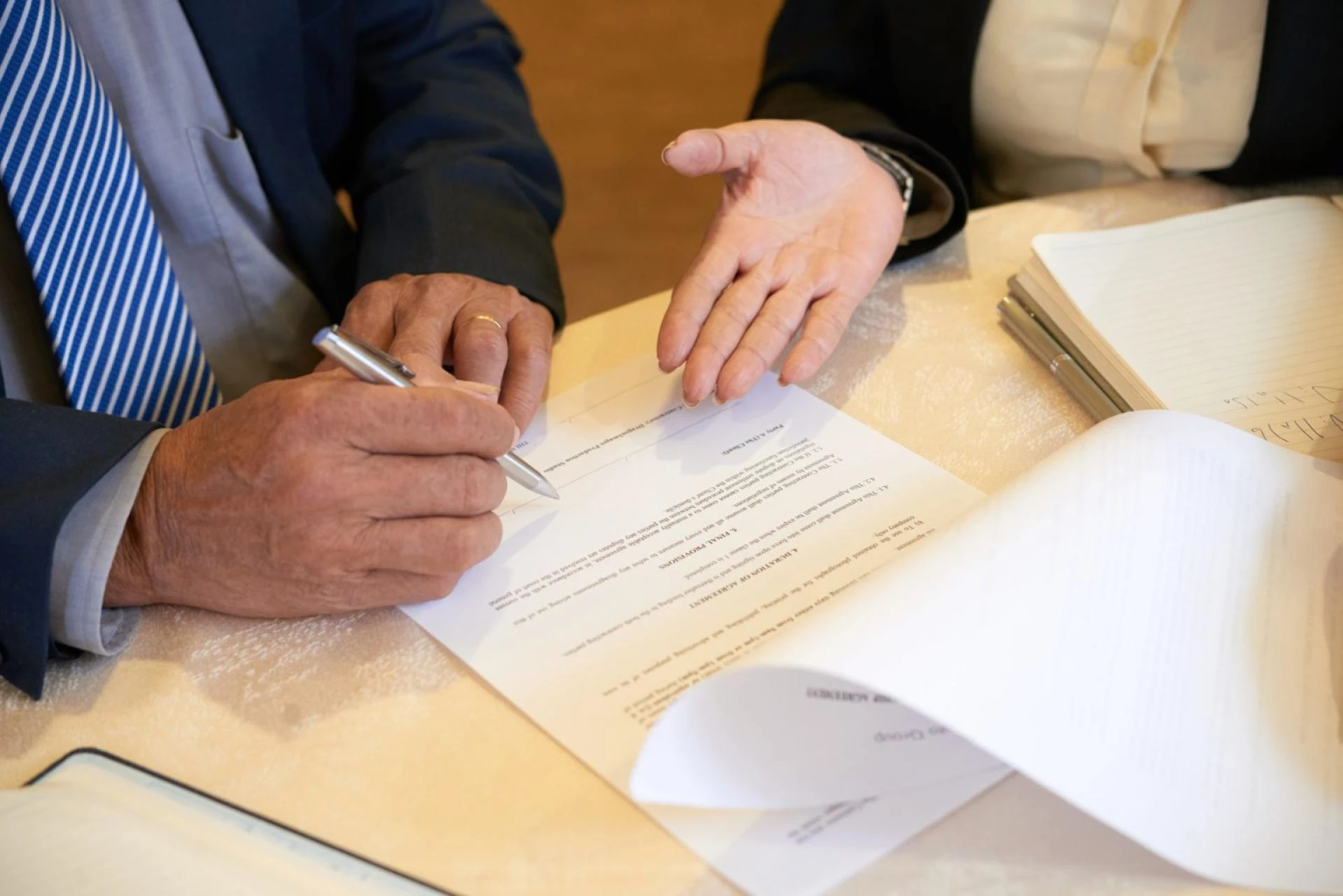
When it comes to managing a person’s estate after their passing, the role of an executor of the will becomes critical. This individual is appointed to ensure that the deceased’s final wishes, as outlined in their will, are carried out efficiently and legally. Understanding the responsibilities and importance of an executor can help both the appointed individual and the family navigate the complex process of estate administration.
Who Is an Executor of the Will?
An 遺囑 執行人 is a person designated by the testator (the person who created the will) to administer their estate after death. This role is not merely ceremonial; it carries significant legal and financial responsibilities. Executors can be family members, friends, or professionals such as lawyers or accountants. The key criterion is that the individual should be trustworthy, organized, and capable of handling sensitive matters.
The executor acts as the bridge between the deceased’s intentions and the legal system. They ensure that the assets are distributed according to the will, debts and taxes are paid, and the estate is settled without unnecessary delays or disputes.
Primary Responsibilities of an Executor
The duties of an executor are multifaceted and require attention to detail, patience, and knowledge of legal procedures. Some of the main responsibilities include:
Locating and Managing Assets
Executors must identify and secure all assets of the deceased, including real estate, bank accounts, investments, and personal property. Proper documentation and safeguarding of assets are crucial to prevent theft, loss, or mismanagement.
Paying Debts and Taxes
Settling any outstanding debts or taxes is a priority. The executor must assess liabilities and ensure they are paid from the estate’s assets. Failure to do so can lead to legal complications or personal liability for the executor.
Distributing Assets
After debts and taxes are settled, the executor distributes the remaining assets to beneficiaries as specified in the will. This requires transparency and accurate record-keeping to avoid disputes among heirs.
Legal Filings and Court Procedures
In many cases, the executor must submit the will to probate court and provide necessary documentation to validate it. They are responsible for ensuring that all legal processes are followed correctly, which may involve hiring attorneys or accountants for assistance.
Challenges Faced by Executors
Being an executor can be emotionally and administratively challenging. Executors may deal with family conflicts, unclear wills, or complex financial matters. It is essential for executors to remain impartial, organized, and patient throughout the process. Additionally, some jurisdictions may provide legal protections for executors who act in good faith, while others may hold them liable for errors or negligence.
Why Appointing a Reliable Executor Matters
Choosing a reliable executor is one of the most important decisions a testator can make. A competent executor ensures that the estate is managed efficiently, beneficiaries receive their rightful inheritance, and the legal obligations are met. Without a trustworthy executor, estates can face delays, increased costs, and disputes that may overshadow the deceased’s final wishes.
Conclusion
In conclusion, the role of an executor of the will is both significant and demanding. Executors serve as the key figure in ensuring that a deceased person’s wishes are honored, debts are settled, and assets are distributed fairly. Anyone appointed as an executor should be prepared to manage financial, legal, and emotional responsibilities with diligence and integrity. By understanding these duties and challenges, both testators and executors can navigate the estate administration process more smoothly, protecting the interests of all parties involved.