Plastic has transformed modern life—it’s cheap, durable, and incredibly useful. But what was once seen as a revolutionary material has now become one of the world’s biggest environmental threats. From packaging to electronics, plastic is everywhere, and so is the waste it leaves behind.
What is Plastic Waste?
Plastic waste includes any discarded plastic item—like bags, bottles, containers, packaging, and wrappers. These materials don’t break down easily. In fact, plastic can take hundreds of years to decompose, polluting the land, water, and air in the process.
Why Is Plastic Waste a Problem?
The real issue with plastic isn’t just its durability—it’s how carelessly it’s used and disposed of. Globally, millions of tons of plastic are dumped into oceans and landfills each year. Most of it is single-use, and less than 10% is ever recycled.
This leads to:
- Marine pollution, killing turtles, whales, and fish
- Microplastics entering food and drinking water
- Soil contamination, affecting agriculture
- Air pollution from burning plastic waste
India’s Battle with Plastic Waste
India generates over 3.5 million tonnes of plastic waste annually. Urban areas are especially overwhelmed, with clogged drains, littered streets, and overflowing landfills. In response, the Indian government has implemented several measures, including:
- Ban on single-use plastics
- Strict waste segregation rules
- Plastic Waste Management Rules, 2016 (amended in 2022)
What is EPR (Extended Producer Responsibility)?
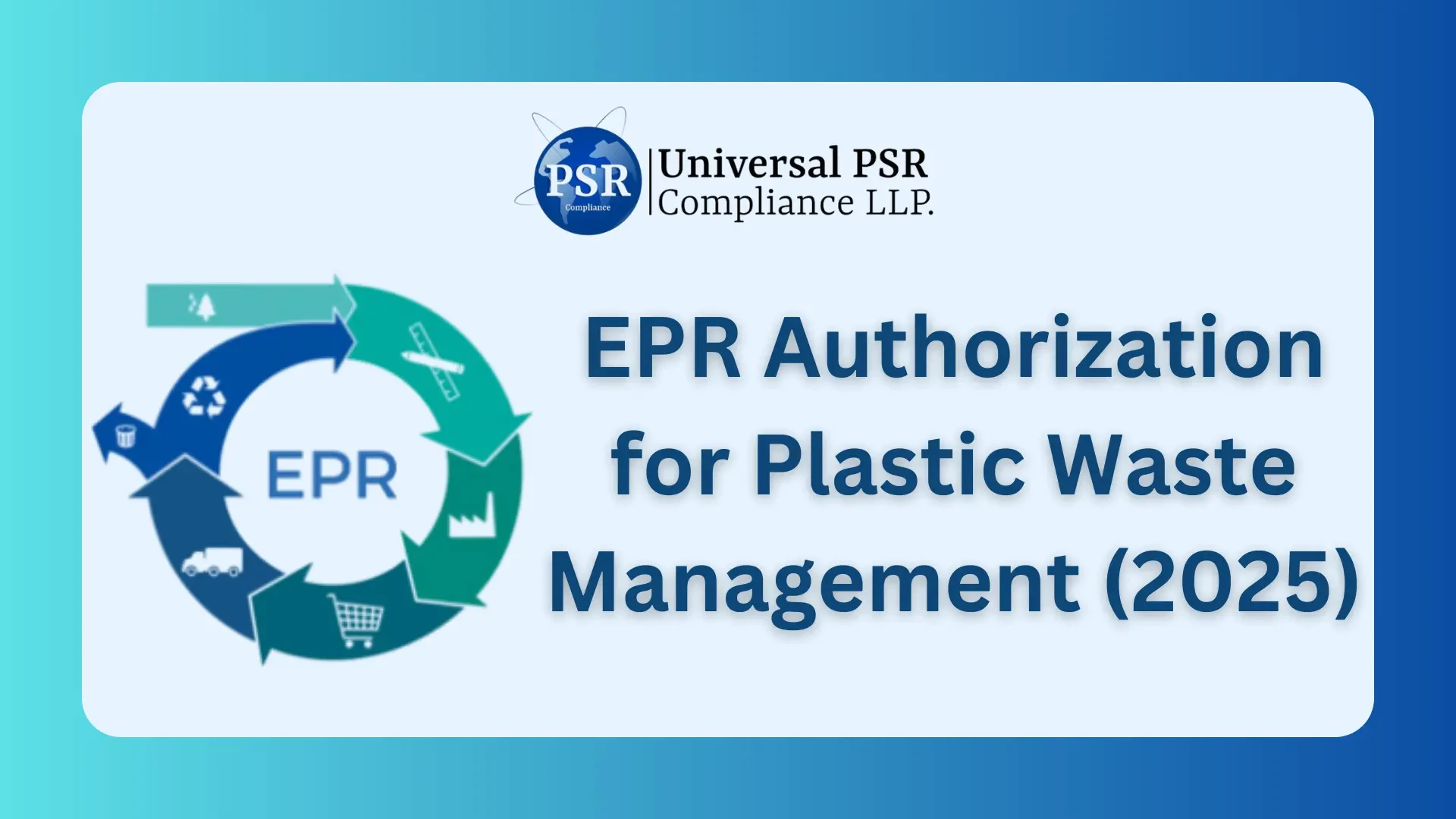
One of the most important policies to tackle plastic waste is EPR. It makes producers, importers, and brand owners responsible for the collection and recycling of plastic they put into the market. Companies must register on the CPCB’s EPR portal, submit a detailed waste management plan, and meet yearly recycling targets.
This shifts responsibility away from consumers and governments and back to the businesses that profit from plastic use.
What Can Individuals Do?
You don’t need to run a recycling plant to make a difference. Here’s how you can help:
- Say no to single-use plastic like straws, cutlery, and bags
- Use reusable items—bottles, containers, and cloth bags
- Segregate your waste at home to aid recycling
- Support eco-friendly brands and sustainable products
- Educate others—the more people aware, the better
Businesses Must Step Up
Sustainability isn’t just trendy—it’s necessary. Brands that take responsibility for their plastic use not only comply with laws but also build customer trust. Partnering with certified recyclers, using biodegradable packaging, and participating in clean-up drives are great ways to show commitment.
Conclusion
Plastic waste is a ticking time bomb, but it’s one we can defuse. With conscious consumer behavior, strong policies like EPR, and corporate responsibility, we can significantly reduce the impact of plastic on our planet. Every small action—from saying no to a plastic straw to choosing a brand that cares—adds up to meaningful change.
FAQs
1. Can all plastics be recycled?
No. Multi-layered and certain low-grade plastics are difficult to recycle.
2. What is the main source of plastic waste?
Single-use plastic packaging is the biggest contributor.
3. What is EPR in simple terms?
EPR is a rule that makes companies responsible for collecting and recycling their plastic waste.
4. Is plastic waste harmful to human health?
Yes. Microplastics and chemicals from plastic can enter food and water, posing serious health risks.
5. How can I dispose of plastic responsibly?
Segregate it at home and hand it over to local collection centers or registered recyclers.
For more information :-https://www.psrcompliance.com/epr-registration-for-plastic-waste