
Buying a home is an exciting milestone, but navigating the mortgage loan process can feel overwhelming. Whether you're a first-time homebuyer or looking to refinance, understanding how the mortgage loan application process works will help you secure the best deal with confidence.
In this guide, we’ll break down the steps involved, explain key terms, and provide tips to streamline your experience. Let’s dive in!
What Is the Mortgage Loan Process?The mortgage loan process refers to the series of steps lenders follow to approve and fund a home loan. From application to closing, each stage ensures you meet the financial and legal requirements to borrow money for a property.
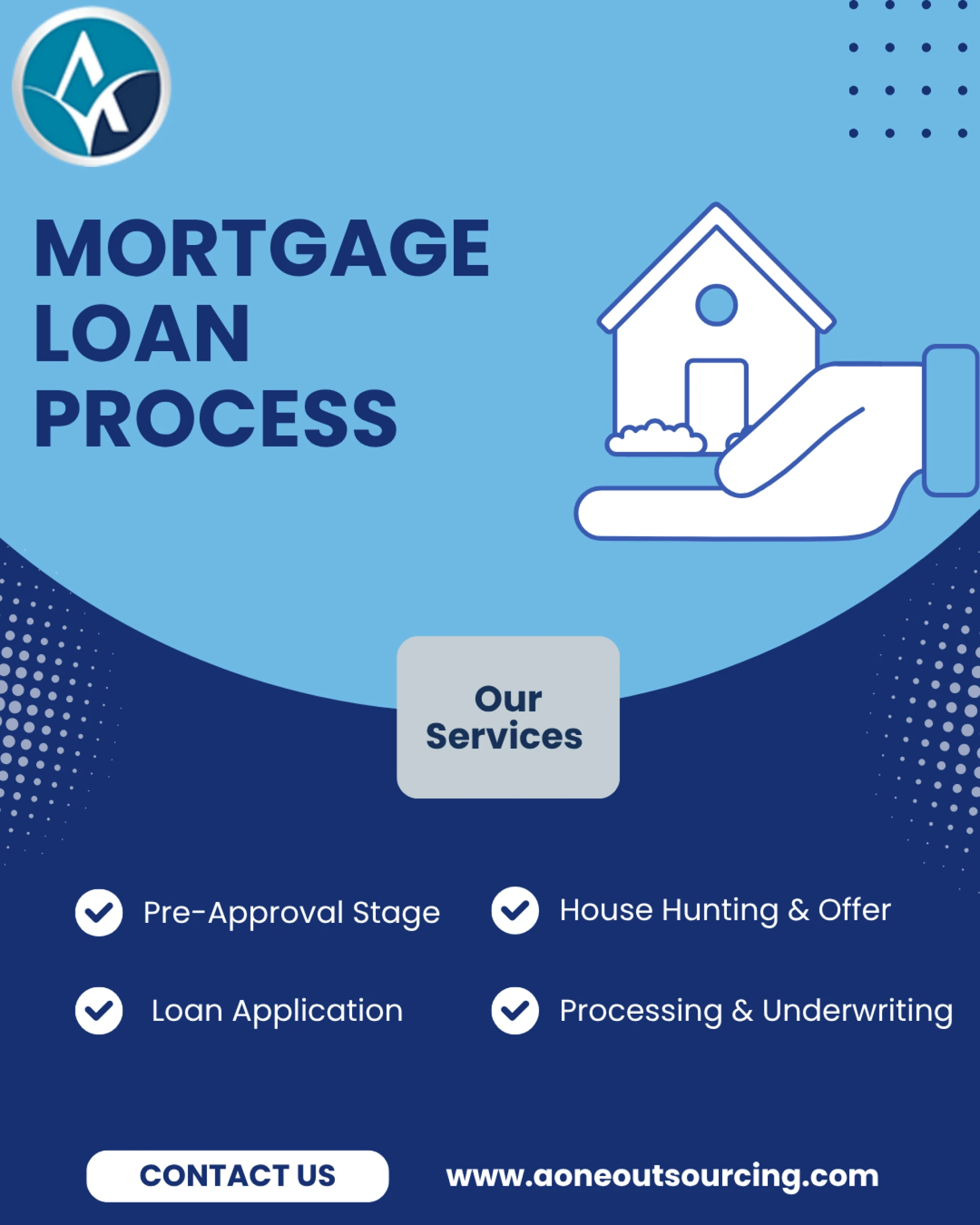
Here’s a simplified breakdown of the mortgage loan application process:
1. Pre-Approval: Know Your Budget
Before house hunting, get pre-approved for a mortgage loan application process. This step involves:
- Submitting financial documents (income statements, credit reports, debts).
- Receiving a conditional loan amount from the lender.
- Strengthening your offer as a serious buyer.
Pro Tip: Compare lenders to find the best interest rates and terms.
2. House Hunting & Making an Offer
Once pre-approved, work with a real estate agent to find your dream home. When you’re ready, submit an offer, including:
- Purchase price.
- Contingencies (e.g., home inspection, financing approval).
- Proposed closing timeline.
3. Formal Mortgage Application
After your offer gets accepted, begin the official mortgage loan application process. You’ll need to provide:
- Proof of income (pay stubs, tax returns).
- Bank statements and asset details.
- Employment verification.
- Property information (purchase agreement, appraisal).
Lenders use this data to finalize your loan terms.
4. Loan Processing & Underwriting
The lender’s underwriting team reviews your application to assess risk. They may:
- Verify employment and income.
- Check credit history.
- Appraise the property’s value.
- Request additional documents if needed.
This step ensures you meet all lending criteria.
5. Closing the Loan
Once approved, you’ll move to closing, where you:
- Sign final loan documents.
- Pay closing costs (typically 2-5% of the loan amount).
- Receive the keys to your new home.
Common Challenges in the Mortgage Loan Process
While the mortgage loan application process is straightforward, borrowers often face hurdles like:
- Low credit scores – Improve your score before applying.
- High debt-to-income ratio – Pay down debts to qualify for better rates.
- Strict documentation requirements – Stay organized to avoid delays.
Tips for a Smooth Mortgage Loan Application Process
- Check your credit report early – Fix errors and improve your score.
- Save for a down payment – A larger down payment reduces loan costs.
- Avoid new debt before closing – Lenders may recheck your finances.
- Respond quickly to lender requests – Delays can push back closing.
Conclusion
Understanding the mortgage loan process helps you prepare for each step, from pre-approval to closing. By staying organized and working with trusted professionals, you can secure financing with ease.
For busy homebuyers, outsourcing tasks like document collection or financial reviews to the mortgage loan application process can save time and reduce stress.
Ready to start your home buying journey? Reach out to a lender today and take the first step toward homeownership. For more information: Aone Outsourcing Solutions.